Wellington is the smallest and most compact of the world's capital cities with real character. It sits on a harbor ringed by green hills, the weather changes by the hour, and almost everything worth seeing is within a short walk of the waterfront. It is also New Zealand's creative capital, with a lively café scene, independent shops and a strong arts culture.
ChapterTe Papa and the waterfront
Te Papa Tongarewa, the Museum of New Zealand, is on the waterfront and free to enter, and it is one of the best museums in the Southern Hemisphere. Its exhibitions cover natural history, art and Māori culture, with a colossal squid on display. Its marae, a Māori meeting house, Te Hono ki Hawaiki, offers a rare opportunity to learn about traditions. Allow at least half a day.
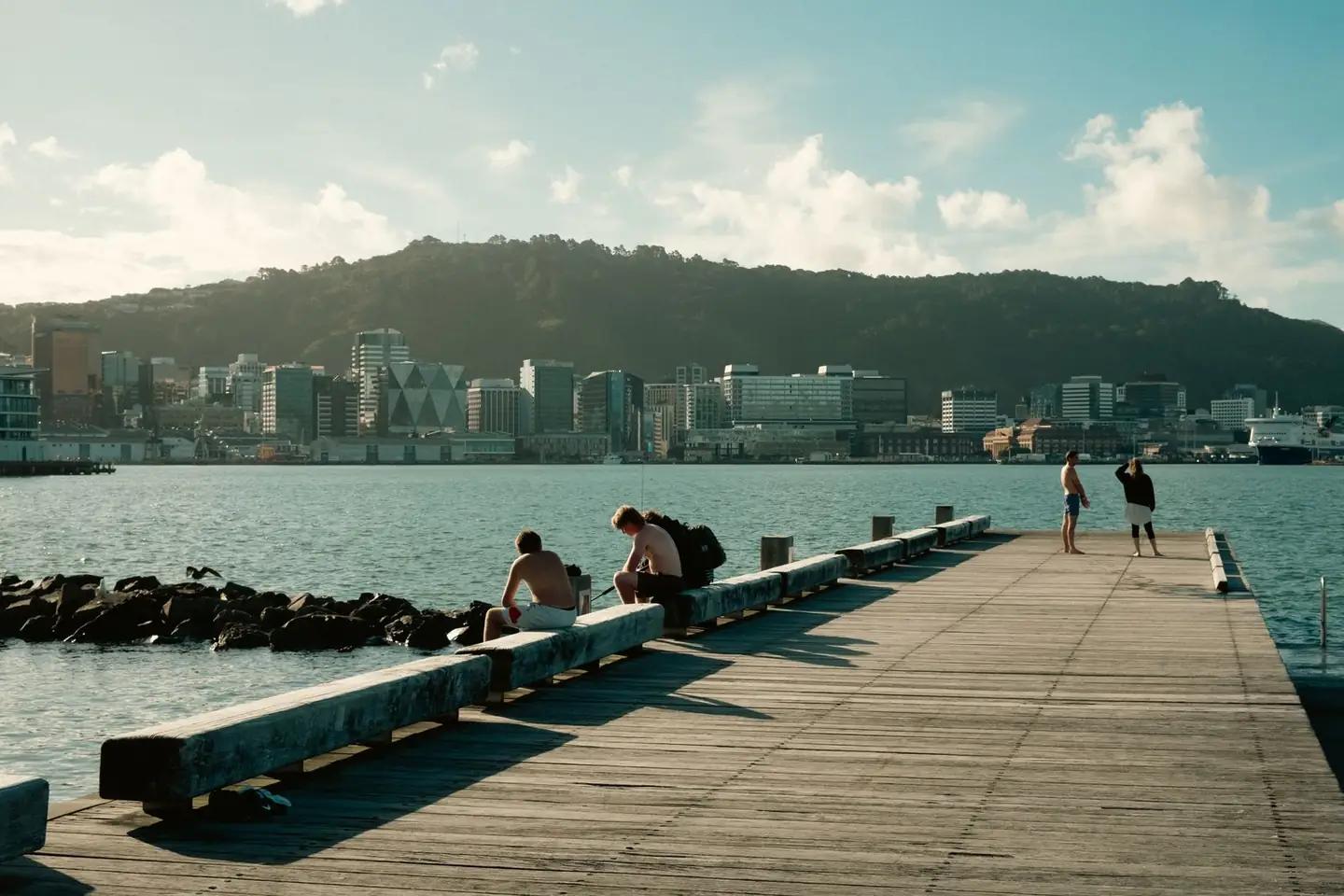
Arts & culture · Te Papa Tongarewa, Wellington
The waterfront promenade links Te Papa with Oriental Bay, a city beach with a view, and passes sculptures, cafés and a lively harbor. The Wellington Writers Walk adds literary quotations set into the paving.
ChapterUp the hill
The Wellington Cable Car, a funicular, climbs from the city center to the Botanic Garden, with views of the harbor. Wander down through the gardens, the rose garden and the Cable Car Museum. Mount Victoria Lookout, a short walk or drive from the center, has a wide view and is a Lord of the Rings filming location. Parliament's Beehive and its tours are free, and Old St Paul's is a beautiful timber church.
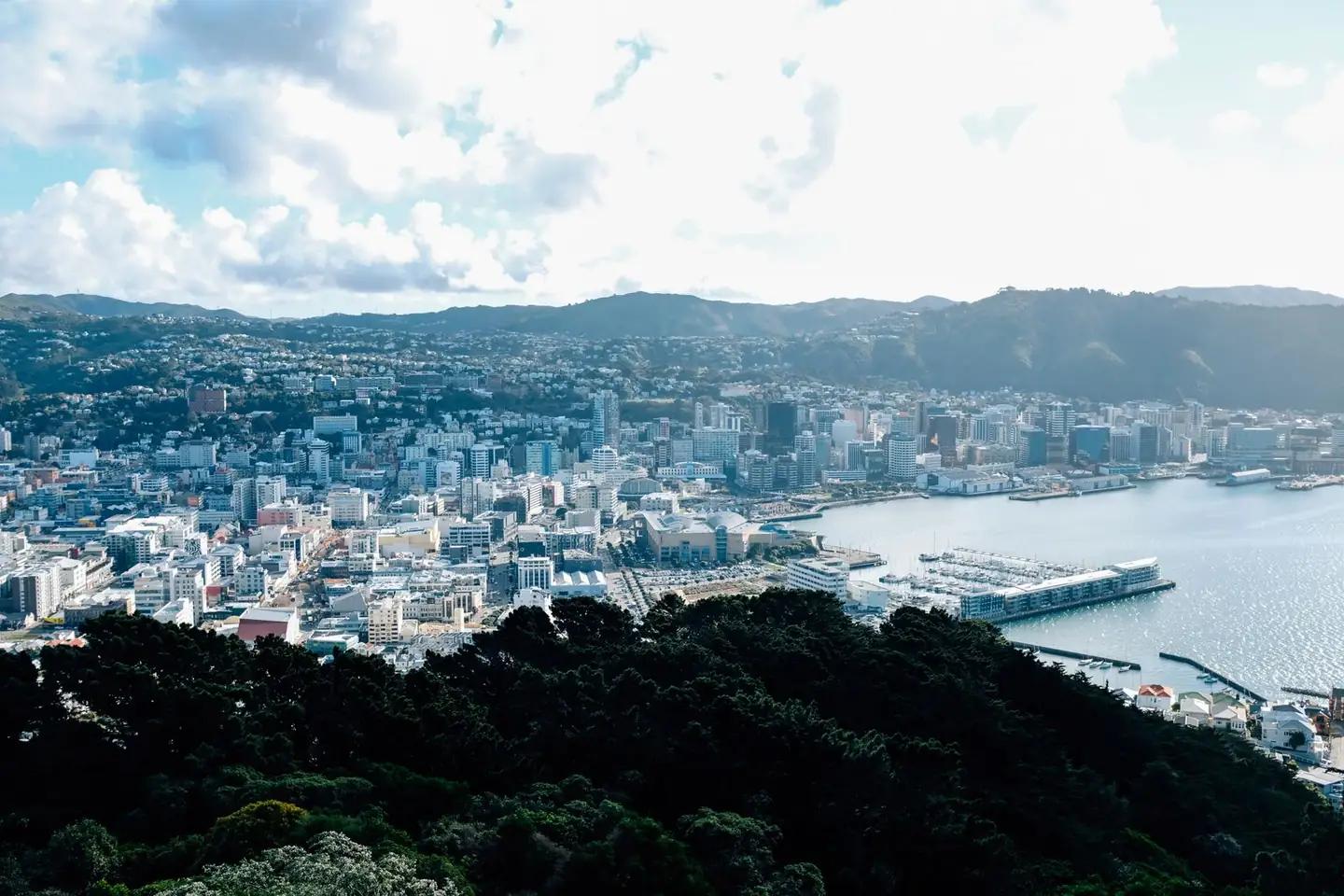
Sightseeing & tours · Wellington Cable Car, Wellington
ChapterCuba Street and the creative quarter
Cuba Street is Wellington's bohemian heart, with vintage shops, bookstores, bars, cafés and street musicians, and the bucket fountain, a kinetic sculpture. The nearby lanes hold small bars and restaurants. Wellington claims to be the flat white's birthplace, and its coffee roasteries and cafés are of a very high standard. Craft beer is also strong here, with several breweries in the city.
ChapterFilm and nature
Weta Workshop, in the suburb of Miramar, is the special effects studio behind The Lord of the Rings, and its tours show how props, costumes and creatures are made. Zealandia, a fenced sanctuary of native forest, lets you see rare birds in a natural setting, including the kākā, a native parrot, and takes night tours to see kiwi. Both need booking.
ChapterThe coast
The Red Rocks Coastal Walk, along the south coast, passes striking red rock formations, and in winter you can see a fur seal colony. Kapiti Island, a bird sanctuary off the west coast, needs a permit and a short boat ride. Island Bay and Lyall Bay are the city's surf and swimming beaches.
ChapterWine and the ferry
Martinborough, in the Wairarapa region about an hour and a half away, is a small wine village known for pinot noir, with cellar doors within walking distance of the square. The Interislander and Bluebridge ferries cross Cook Strait to Picton, in the South Island, a spectacular journey through the Marlborough Sounds.
ChapterEating
Wellington has more cafés and restaurants per head than most cities. Moore Wilson's, a food market, has a good selection of local produce. The festival Wellington on a Plate, in August, brings a wave of special menus and food events.
ChapterPractical notes
Wellington is windy, and the weather can change quickly, so carry a windproof layer and be flexible. Everything of interest is close together, so walking is easy, with buses and the cable car for the hills.
ChapterWhen to go
Summer, from December to February, is the sunniest and warmest, with long days and many events. Autumn is calm and mild. Winter is cool and windy, but the indoor culture is excellent, and in June or July, the Matariki festival celebrates the Māori new year.
Check current details: WellingtonNZ.