Taipei is one of the most welcoming big cities in Asia. It is clean, safe and easy to navigate, the people are generous, and it has a food scene that can fill a week without repeating itself. It is also surrounded by mountains and hot springs, so a day of temples and museums can end with a soak in a volcanic pool.
ChapterThe big sights
Taipei 101, once the tallest building in the world, rises over the city, and its observation deck gives a sweeping view. For a better view of the tower itself, climb Elephant Mountain at sunset, a short, stepped trail that rewards the effort with the skyline lit up below.
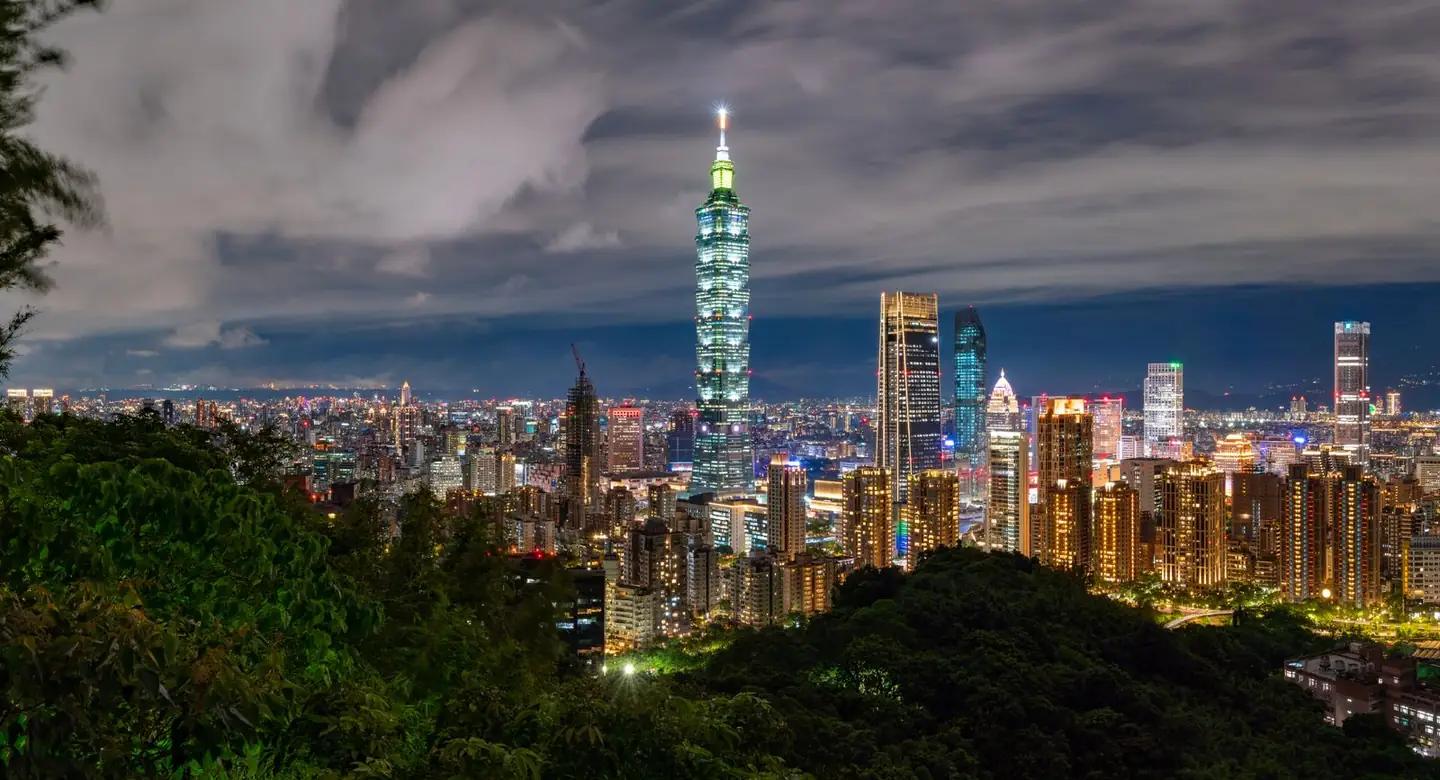
Sightseeing & tours · Taipei 101, Taipei
The Chiang Kai-shek Memorial Hall, a large white-and-blue monument with a plaza, hosts an hourly guard-changing ceremony. The National Palace Museum holds one of the world's great collections of Chinese imperial art, including the Jadeite Cabbage, and is huge, so choose a few highlights rather than trying to see it all.
Arts & culture · National Palace Museum, Taipei
ChapterTemples and old streets
Longshan Temple, in the old Wanhua district, is an active place of worship, with incense smoke, chanting and offerings. Visit quietly and respectfully. Dihua Street, one of the oldest streets in the city, is lined with traditional shops selling dried goods, herbs and tea, and becomes a lively market before Lunar New Year. Ximending is the youth shopping and entertainment district.
ChapterNight markets
Night markets are a core part of Taiwanese life and the best way to eat in the evenings. Shilin is the largest and most famous, and Raohe, with its temple entrance, is more compact. Ningxia is known for traditional snacks. Go hungry, wander and sample small portions from different stalls. Take small bills and expect crowds on weekends.
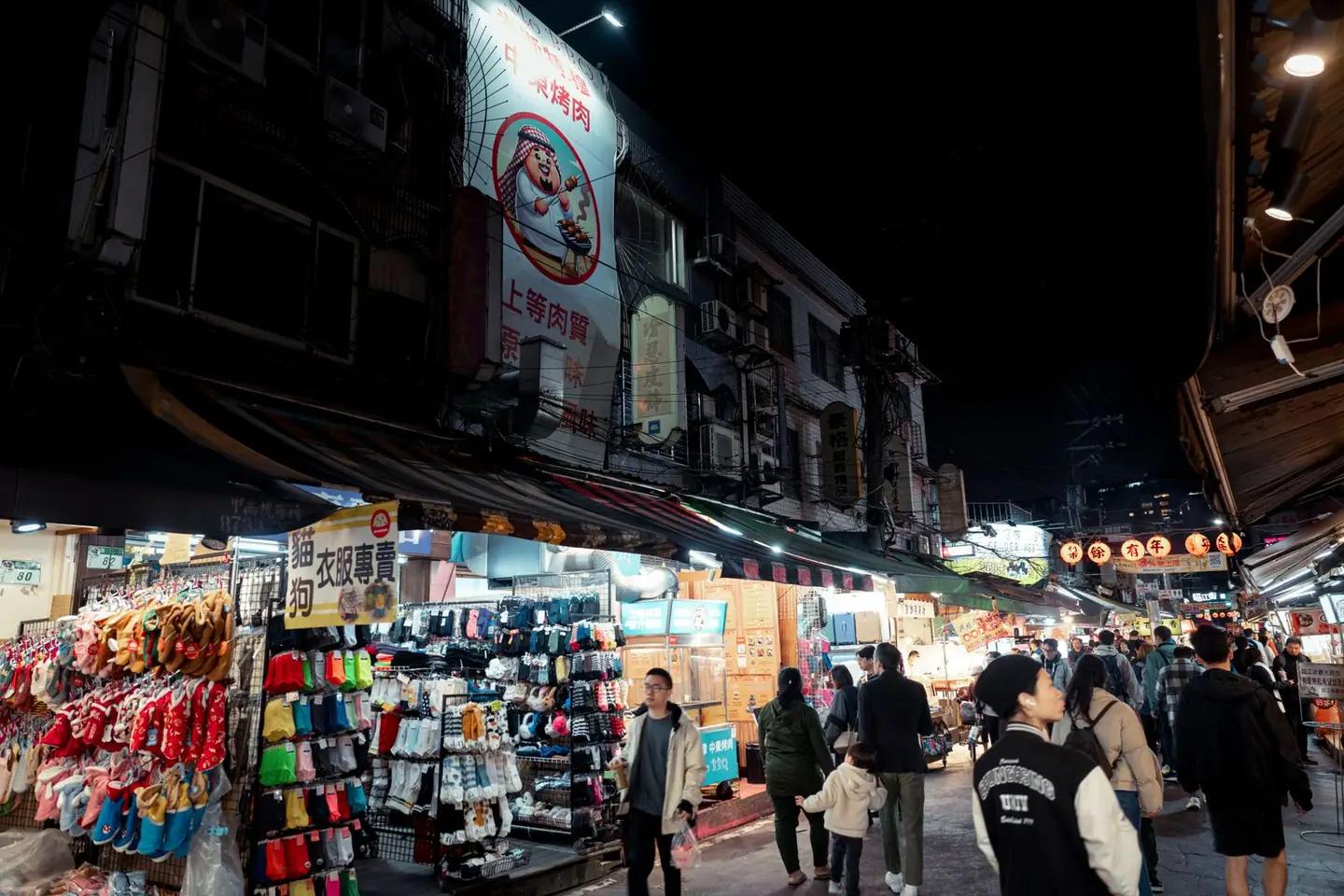
Food & drink · Shilin Night Market, Taipei
ChapterEat your way through
Beef noodle soup is the national dish and has a fierce fan base. Xiaolongbao, soup dumplings, were popularized by Din Tai Fung, which started in Taipei, and are worth tasting at a restaurant, whether famous or local. Gua bao, braised pork buns, oyster omelets and scallion pancakes are staples. Stinky tofu is an acquired taste, easy to smell before you find it. Bubble tea was invented in Taiwan, and mango shaved ice is the classic summer dessert. For breakfast, try a local shop with soy milk, egg crepes and fried dough sticks.
ChapterHot springs and mountains
Beitou, reached by a short MRT branch line, is the city's hot-spring district, with public baths and a hot-spring museum. Soaking in a spring after a day of sightseeing is a Taipei tradition. Yangmingshan National Park, on the northern edge of the city, has volcanic landscapes, hiking trails and spring flowers. The Maokong Gondola rises to a hillside of tea houses, where you can sip local tea with a view.
ChapterDay trips
Jiufen, a hillside former mining town of narrow lanes and tea houses, is a popular outing, though it is crowded at weekends. Shifen, where you can release sky lanterns beside the railway, is nearby. Tamsui, on the coast, is good for a sunset by the water. For a longer trip, Taroko Gorge, on the east coast, offers marble canyons and is reached by train and bus.
ChapterPractical notes
The MRT is fast, clean and signposted in English, and an EasyCard works across transit and in many shops. Eating and drinking is not allowed on the MRT, and fines apply. Public bins are rare, so be ready to carry your trash until you find one. Many places accept only cash, so keep some on you.
ChapterWhen to go
October to December and March to April are the most comfortable seasons. Summer is hot and humid, and typhoons can arrive between July and October. Winter is cool and damp, but mild, and hot springs are particularly welcome. The Lantern Festival, in the first full moon after Lunar New Year, fills the streets with light.
Check current details: Travel Taipei.


