Seoul is a city that never quite sits still. Palaces from the Joseon dynasty stand beside glass towers, mountain trails start a few subway stops from the center, and neighborhoods that were quiet a decade ago are now the places everyone is talking about. It is energetic, efficient and endlessly interesting, and the best way to approach it is by district, with plenty of eating along the way.
ChapterThe historic core
Gyeongbokgung, the largest of the royal palaces, is the natural starting point. Arrive near opening to see the grounds with fewer people, and check the schedule for the changing of the guard ceremony. Visitors who wear a hanbok, the traditional Korean dress, can usually enter the palaces for free, and rental shops nearby make this an easy and enjoyable experience.
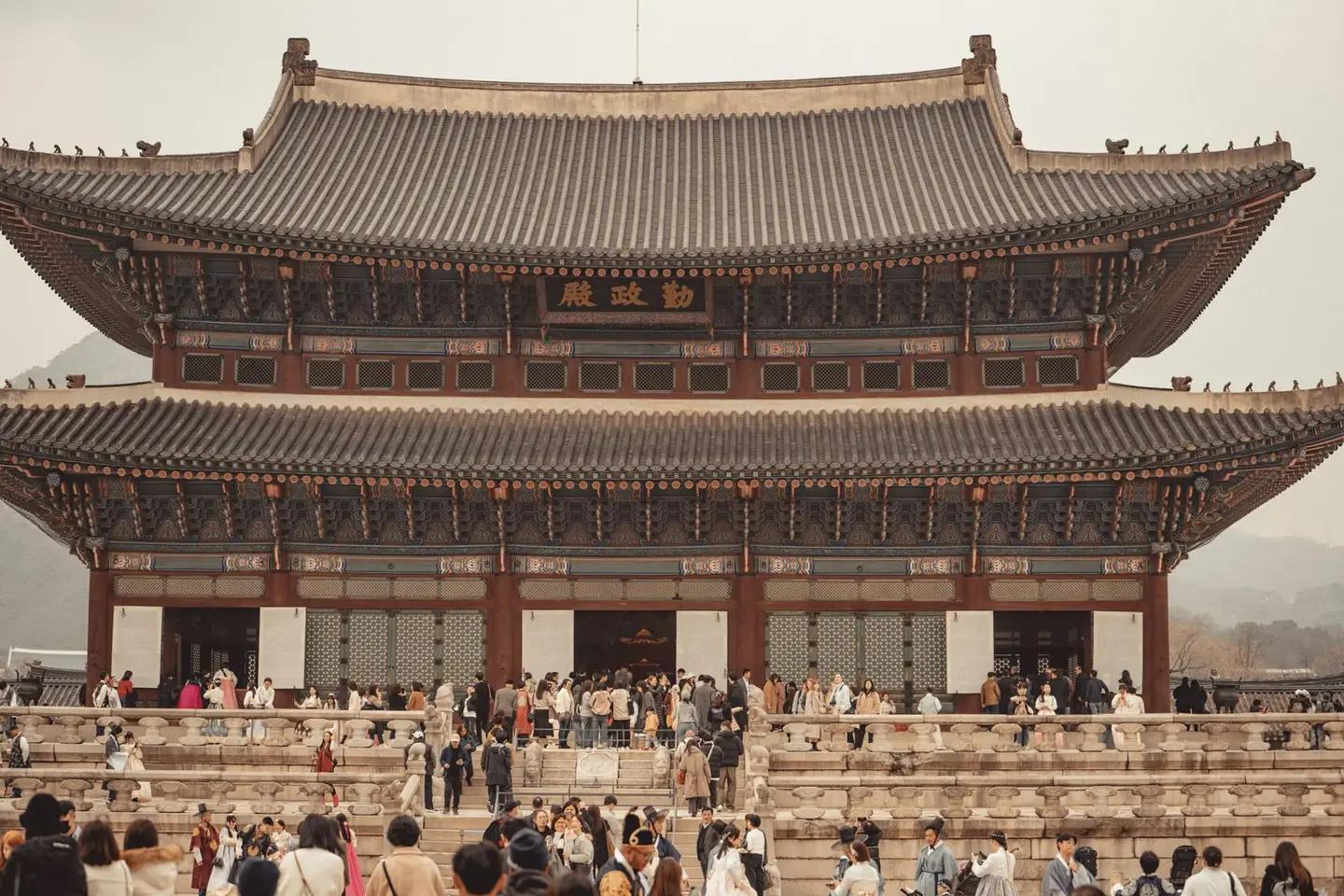
Sightseeing & tours · Gyeongbokgung Palace, Seoul
Changdeokgung, a UNESCO site, is more intimate, and its Secret Garden is best seen on a guided tour. Bukchon Hanok Village, between the two palaces, is a hillside of traditional houses. People live here, so keep your voice low and follow the posted visiting guidelines. Insadong, nearby, has tea houses, craft shops and galleries, and Jogyesa temple offers a quiet pause.
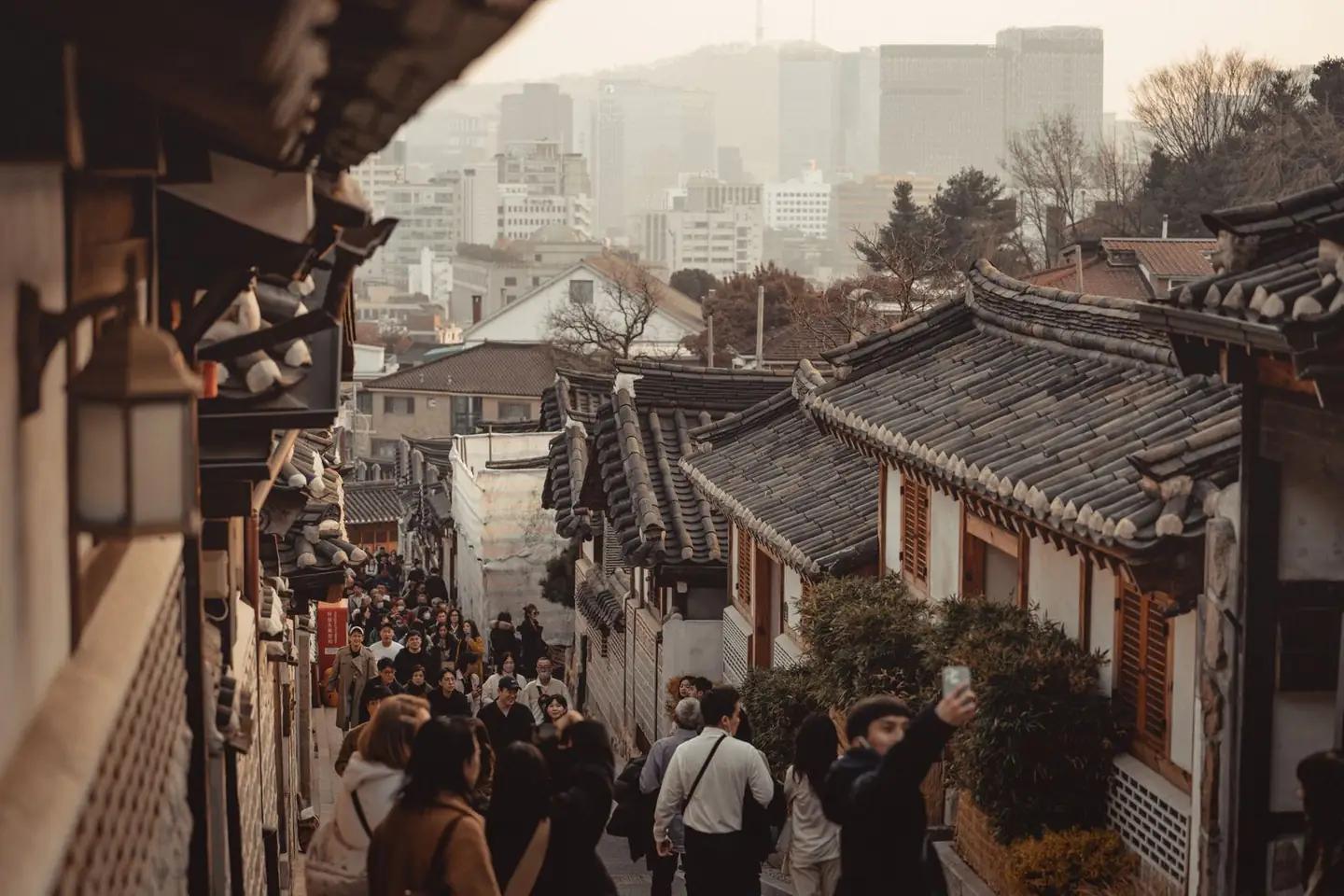
Sightseeing & tours · Bukchon Hanok Village, Seoul
ChapterModern Seoul
Dongdaemun, with its sweeping Zaha Hadid-designed plaza, is a fashion district that wakes up at night. Myeongdong is crowded with street food and cosmetics shops. Itaewon has an international mix of restaurants and bars, and Hongdae, near the university, is the center of youth culture, with live music and street performance. Seongsu, a former industrial area, now hosts a thriving café and design scene.
The Cheonggyecheon, a restored stream running through the center, is a calm walking route below street level. The N Seoul Tower, on top of Namsan mountain, gives panoramic views, and walking up the mountain is a pleasant alternative to the cable car.
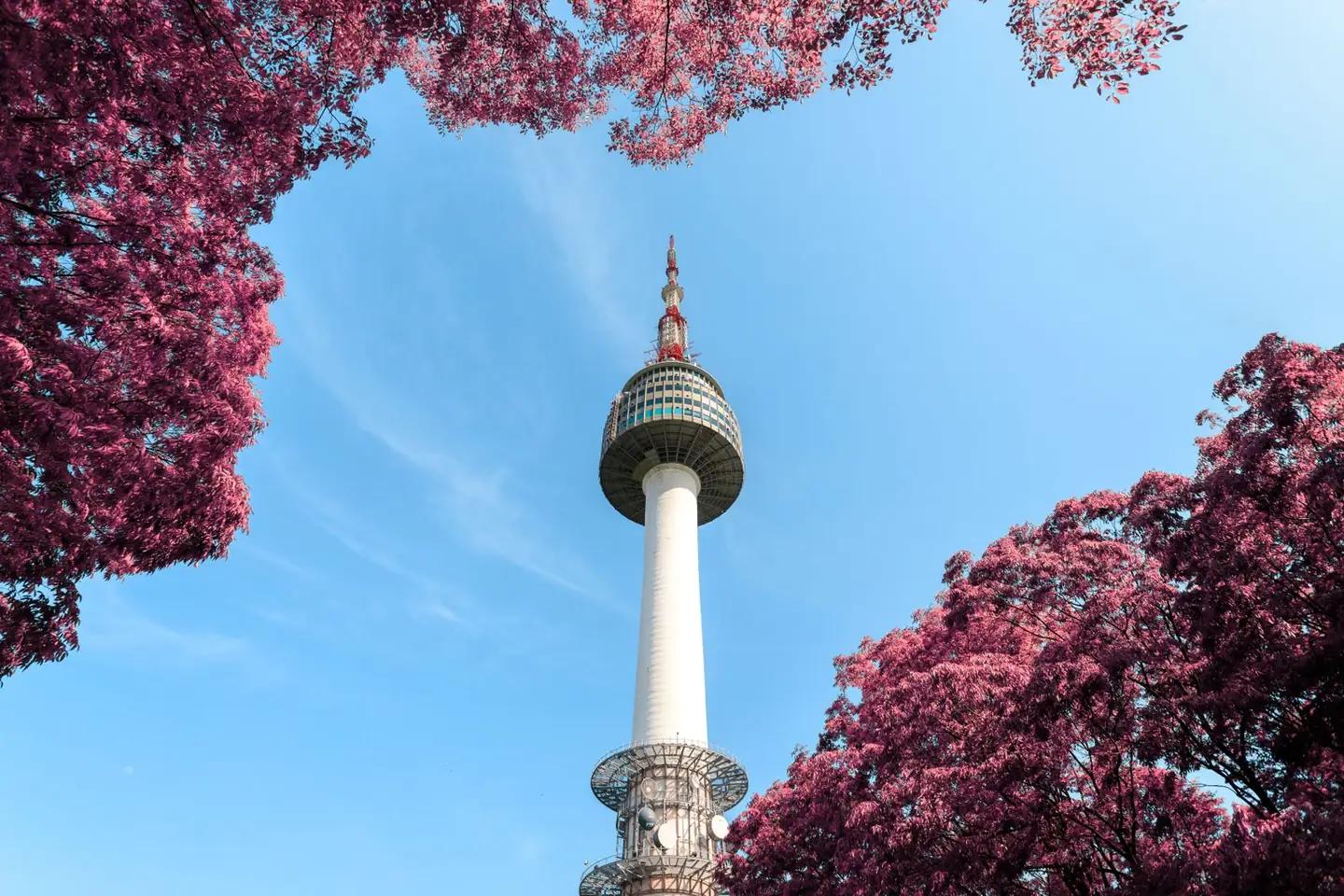
Sightseeing & tours · N Seoul Tower, Seoul
ChapterEat and drink without stopping
Korean food is a pleasure for the whole day. Korean barbecue, grilled at your table, is a social meal for groups. Bibimbap, a rice bowl with vegetables and egg, kimchi jjigae, a spicy stew, and naengmyeon, cold buckwheat noodles, are staples. Samgyetang, ginseng chicken soup, is traditional in summer, and tteokbokki, spicy rice cakes, is the street food favorite.
Gwangjang Market, with its stalls of bindaetteok, mung bean pancakes, and other snacks, is an excellent stop. In the evening, sit by the Han River in Yeouido with delivery fried chicken and beer, a local ritual called chimaek.
For a different kind of rest, try a jjimjilbang, a Korean bathhouse with hot pools, saunas and sleeping rooms.
ChapterWalking into nature
Seoul is ringed by mountains, and Bukhansan National Park, reachable by subway, is a popular hiking destination. Check trail conditions and bring water. The Hwaseong Fortress in Suwon, a UNESCO-listed walled city, makes a good half-day trip.
ChapterThe DMZ
Tours to the Demilitarized Zone offer a sobering view of the Korean peninsula's division. They require advance booking and may be affected by current conditions, so check before you plan.
ChapterGetting around
The subway is one of the best in the world. Get a rechargeable transport card, such as T-money, and use it for subways, buses and convenience stores. Apps like Naver Map or Kakao Map work better than Google Maps for local navigation. Taxis are plentiful, and many places remain open late.
ChapterWhen to go
Spring brings cherry blossoms, and autumn offers brilliant foliage, both pleasant and busy. Summer is hot and humid, with a monsoon season in July. Winter is cold and dry, and the city has a crisp, bright quality.
Check current details: Visit Seoul.


