Reykjavik is the northernmost capital in the world, and one of the smallest. It takes a day to understand and a few more to appreciate, and its real role is as a door to the landscape outside: waterfalls, black beaches, geysers, lava fields and a sky that does extraordinary things. Treat the city as a base and the weather as a collaborator.
ChapterA day in the city
The Hallgrímskirkja church, with its rocket-like tower, dominates the skyline, and the tower is worth the ride up for a view over the painted rooftops. Walk down Skólavörðustígur toward Laugavegur, the main shopping street, with its independent shops, cafés and street art. The Harpa concert hall, a glittering glass structure on the harbor, and the Sun Voyager steel sculpture nearby are the waterfront icons.
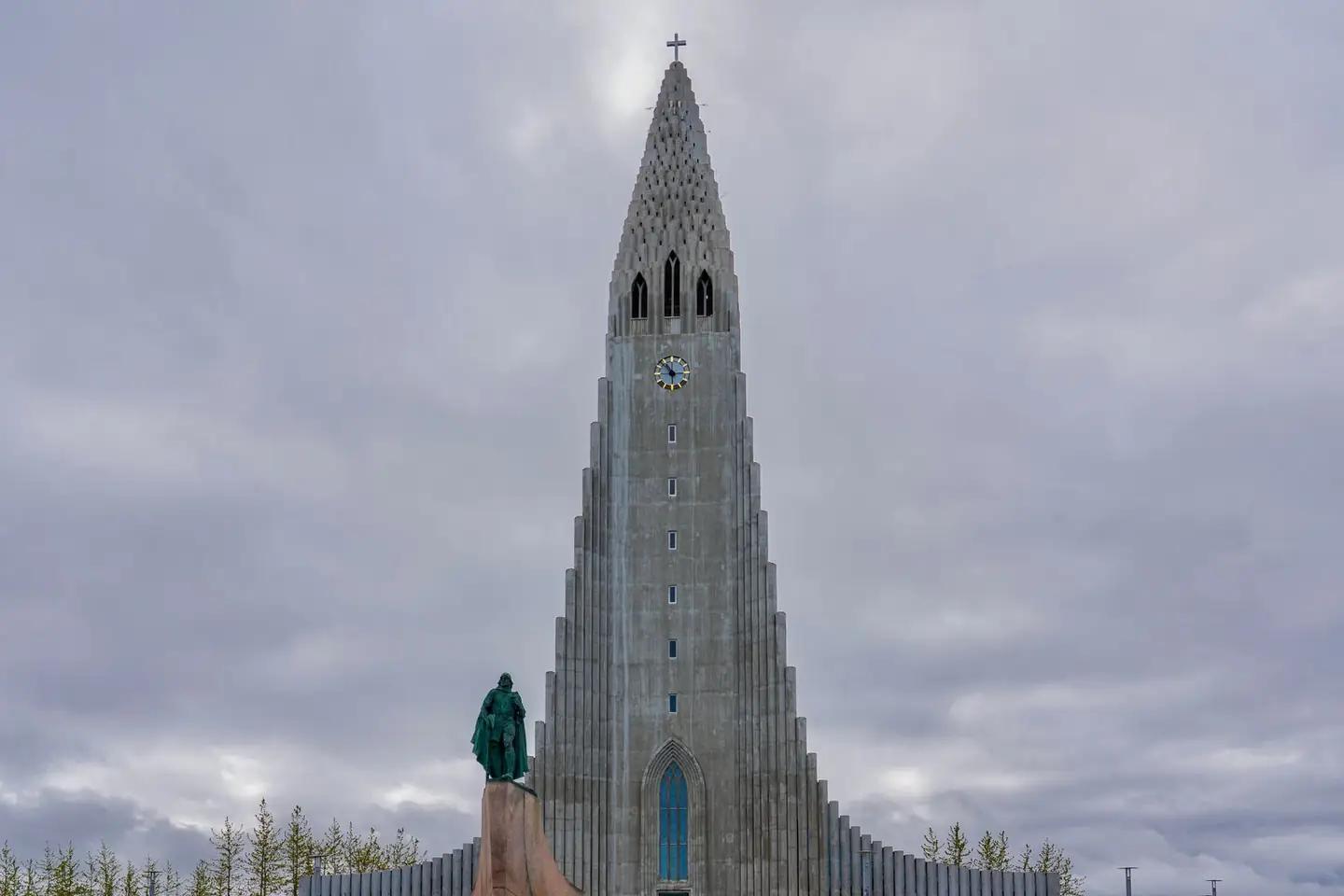
Sightseeing & tours · Hallgrímskirkja, Reykjavik
The old harbor offers whale-watching and puffin tours in season, and several good restaurants. The National Museum and the Settlement Exhibition, built around a Viking longhouse ruin, give historical context.
ChapterPool culture
Geothermal swimming pools are a central part of Icelandic life, and a local pool is the best introduction to it. Laugardalslaug and Vesturbæjarlaug are among the popular ones. The rules are strict and important: shower thoroughly without a swimsuit before entering, follow the posted instructions and respect the local habits. Soaking in a hot pot beside locals on a cold evening is one of the best experiences in the city.
The Blue Lagoon and the Sky Lagoon are the more famous, more commercial options, and both need advance booking.
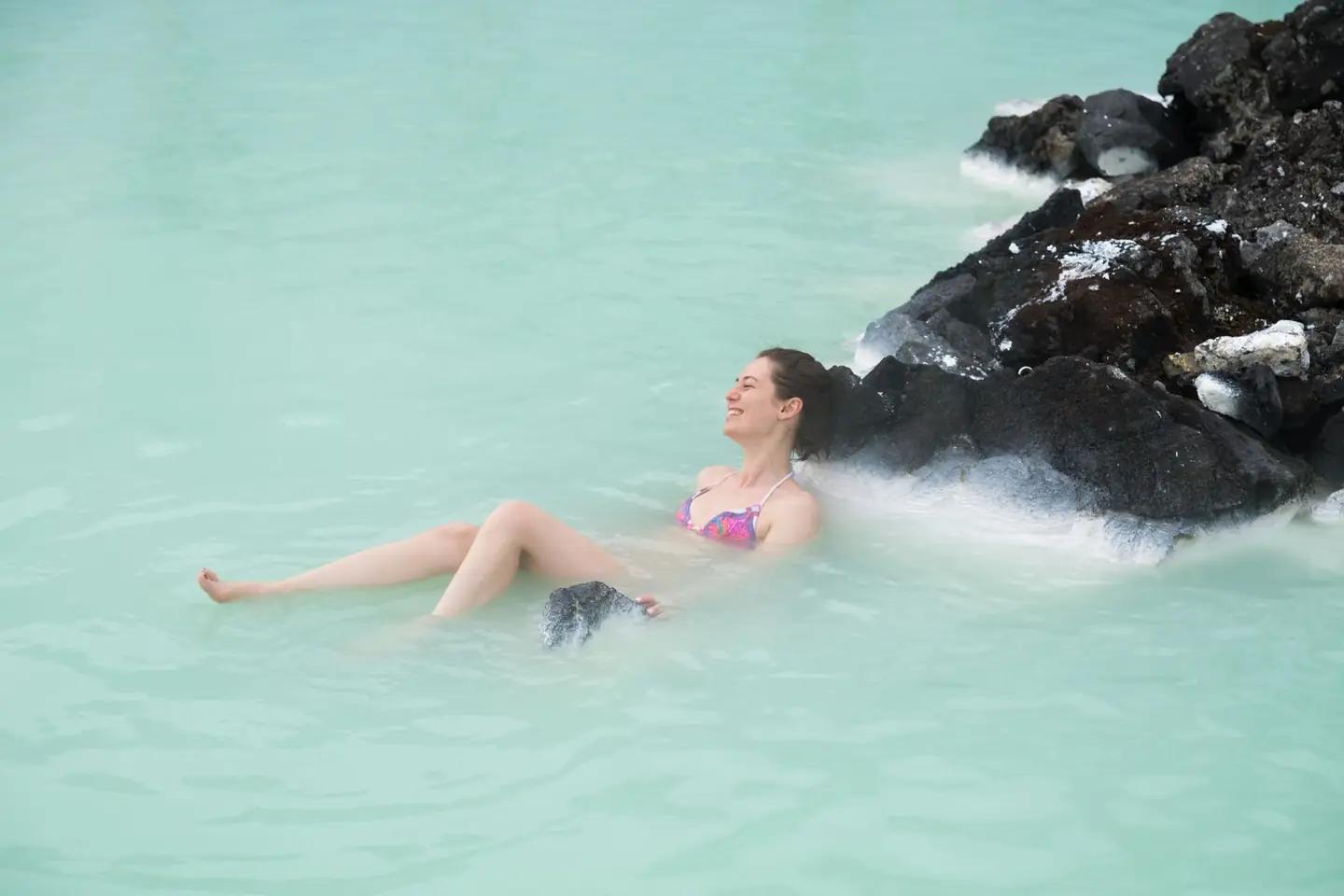
Relaxation · Blue Lagoon, Reykjavik
ChapterDay trips: the big three routes
The Golden Circle, a loop of Þingvellir National Park, the Geysir hot spring area and Gullfoss waterfall, is the classic day, and popular for good reason. Start early to beat the tour buses.
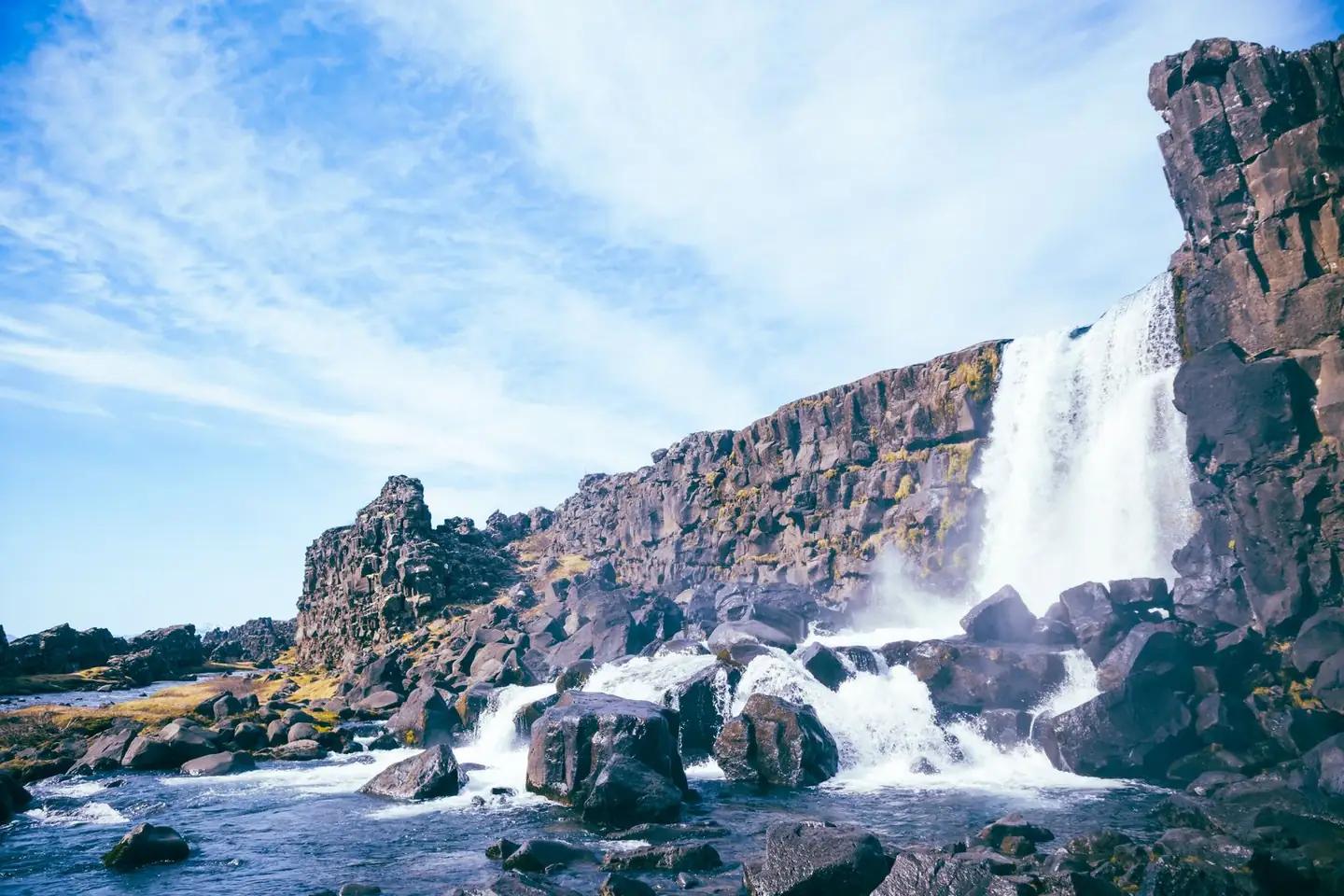
Outdoors · Þingvellir National Park, Reykjavik
The South Coast has the waterfalls Seljalandsfoss and Skógafoss, the black-sand beach at Reynisfjara and the glacier tongue at Sólheimajökull. Reynisfjara is beautiful but dangerous: sneaker waves can reach far up the beach without warning, so keep well back from the water.
The Snæfellsnes peninsula, to the north-west, combines lava fields, sea cliffs and small fishing villages in a manageable loop, often called Iceland in miniature.
ChapterEating
Lamb is central: kjötsúpa, a hearty lamb soup, is the classic warm meal. Fresh fish, from the harbor, is outstanding. The famous hot dog stand, Bæjarins Beztu Pylsur, is a local institution. Skyr, a thick dairy product, is eaten for breakfast, and rye bread baked in geothermal ground is a regional curiosity. Fermented shark is mostly a dare, and a taste is enough.
ChapterSafety and conditions
Weather and road conditions change fast, so check the forecasts and road reports each morning. The official sites safetravel.is and road.is are the standard sources. Volcanic activity on the Reykjanes peninsula can affect access to some areas, so follow current guidance. If you rent a car, follow the rules, stay on marked roads and never drive off-road.
ChapterLights and light
The northern lights can be seen from roughly September to March, on dark, clear nights with solar activity. They cannot be guaranteed, so plan several nights. In summer, the opposite applies: the midnight sun gives nearly endless daylight, which makes for flexible days.
ChapterWhen to go
Summer is the easiest season, with long days and open roads. Winter offers northern lights, ice caves and a cozy atmosphere, but with short days and challenging driving. The shoulder months are a good compromise.
Check current details: Visit Reykjavik.


