Mexico City is one of the great cities of the world, and it knows how to humble a first-time visitor. It is huge, it sits at over two thousand meters above sea level, and it holds layers of Aztec, colonial and modern history that no single visit can cover. The reward for slowing down and choosing carefully is a city of astonishing food, art, architecture and warmth.
ChapterTake the altitude seriously
At about 2,240 meters, the first day or two can bring tiredness, headaches or breathlessness. Drink water, go easy on alcohol, pace yourself and avoid cramming your first day. Most visitors adjust quickly.
ChapterThe historic center
The Zócalo, one of the largest city squares in the world, is the center of it all. The Metropolitan Cathedral rises on one side, and the Templo Mayor, the excavated remains of the Aztec temple, sits beside it. The National Palace has murals by Diego Rivera, and you will need photo ID to enter. The Palacio de Bellas Artes, a marble opera house with murals inside, is a few blocks away.
Walk the pedestrian streets and climb to a rooftop terrace for a view of the square. Keep an eye on your belongings in crowds.
ChapterMuseums worth planning for
The National Museum of Anthropology, in Chapultepec Park, is one of the great museums of the world. It holds the Aztec Sun Stone and artifacts from across Mexico's ancient cultures, and it deserves half a day at the least. Chapultepec Park itself is huge, with a castle, lakes and other museums. The Frida Kahlo Museum, in Coyoacán, requires advance booking, and tickets sell out.
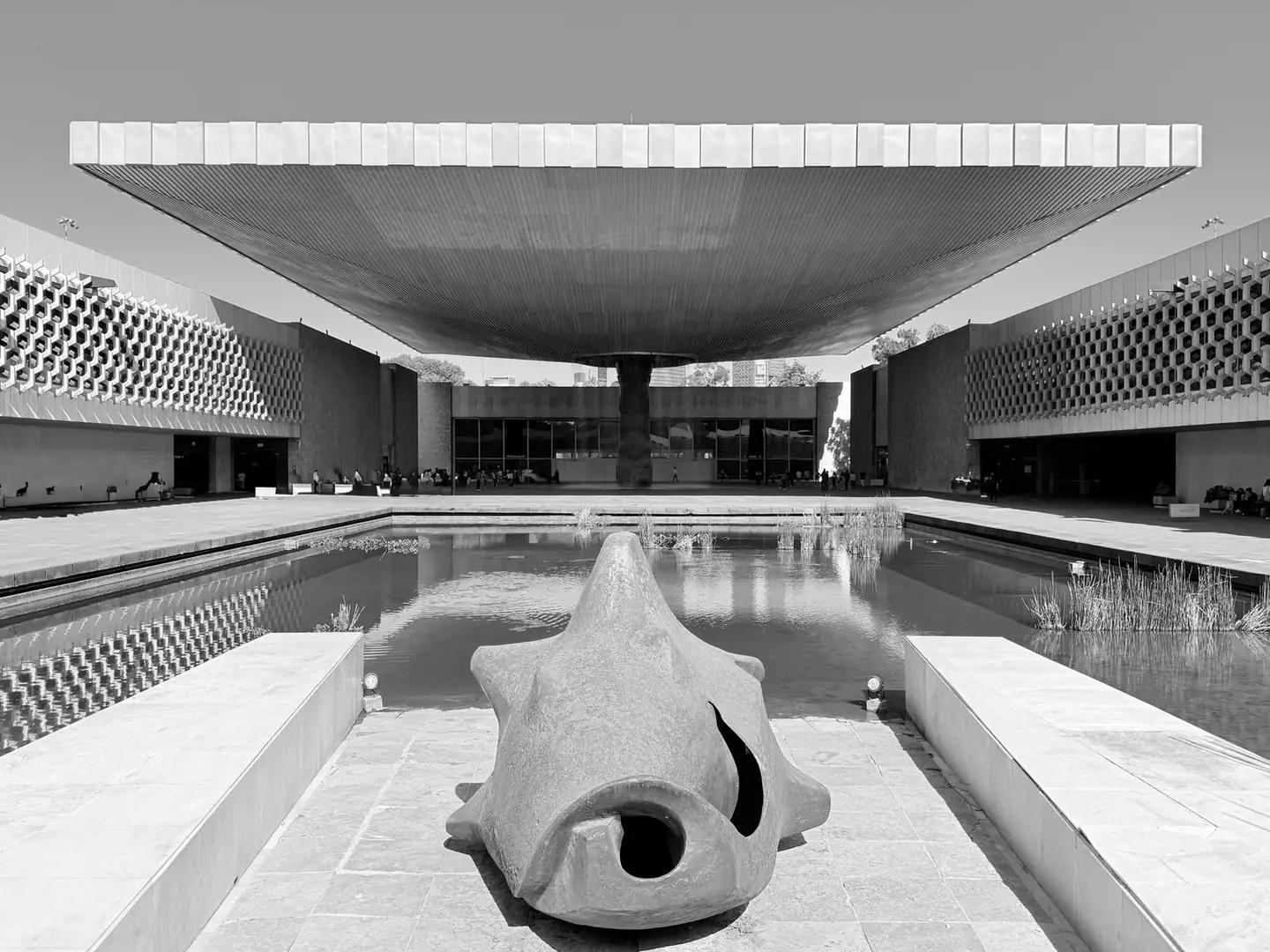
Arts & culture · National Museum of Anthropology, Mexico City
Arts & culture · Frida Kahlo Museum, Mexico City
ChapterRoma, Condesa and Coyoacán
Roma and Condesa are leafy, art deco neighborhoods of cafés, bookstores, bars and parks, with a relaxed pace. Coyoacán, to the south, feels like a village, with a market, plazas and cobbled streets. Polanco is the upscale district, with museums, designer shops and restaurants.
Xochimilco, a network of canals in the south, is famous for its colorful trajinera boats, where groups hire a boat with food, drinks and mariachi. Go on a weekday for a calmer experience.
ChapterEat everywhere
Mexico City's food is its greatest attraction. Tacos al pastor, pork cooked on a vertical spit and served with pineapple, are the signature. Try tamales, esquites, corn cups with chili and lime, chilaquiles for breakfast, pozole stew and mole. Markets, such as Mercado de San Juan and Mercado de Coyoacán, are good for exploring. The city's restaurants range from tiny street stalls to some of the best fine dining in the world. For drinks, try mezcal, pulque and the countless craft beers.
Eat where there is a crowd, drink bottled water and trust your instincts about food that has been sitting out.
ChapterGetting around
The metro is cheap and extensive but crowded at rush hour, and some stations are very busy. Ride-hailing apps are widely used and convenient. On Sundays, the main avenue, Paseo de la Reforma, is closed to cars for cycling and walking.
ChapterDay trips
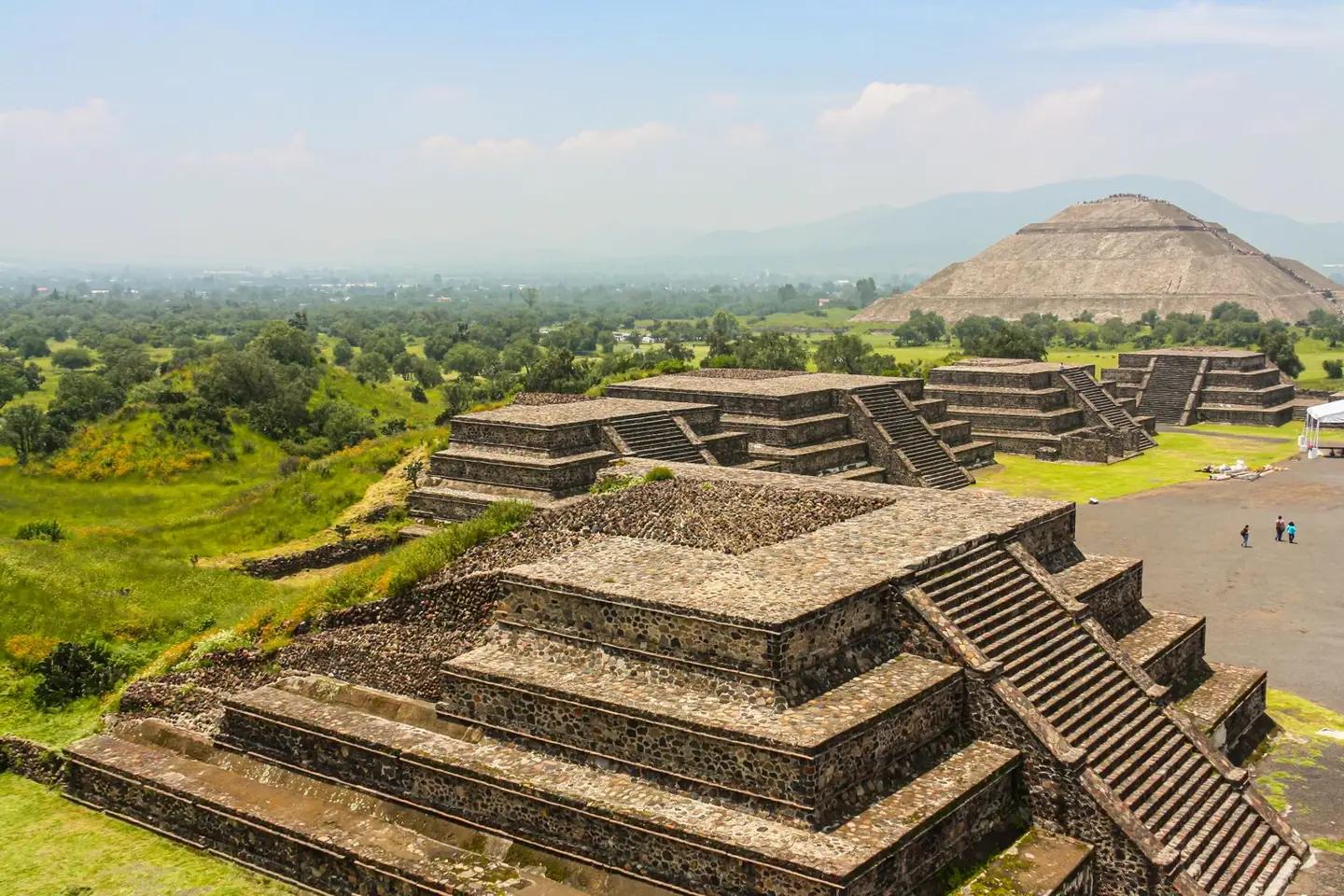
Teotihuacan, the ancient city of the pyramids, is about an hour away, and you should go early to avoid the heat and the crowds. Climbing the Pyramid of the Sun is a highlight. Puebla, with its colonial center and mole, is also reachable on a longer day trip.
ChapterWhen to go
The dry season, from November to April, brings clear skies and mild temperatures. The rainy season, from roughly June to September, usually means afternoon showers. The Day of the Dead, on November 1 and 2, is a spectacular celebration with altars and parades, but accommodation fills early.
Check current details: Visit Mexico.