Hanoi hits the senses all at once: motorbike horns, the smell of grilling pork, the clatter of a thousand small shops, a thin French colonial elegance behind it all. It can overwhelm in the first hour and charm in the second. The visitors who love it most stop trying to control it and let the city set the pace.
ChapterThe Old Quarter
The Old Quarter is a web of narrow streets, each traditionally dedicated to a single trade, with names such as Silk Street and Paper Street. Wander with no fixed plan, stop at a café and watch the street life from a balcony. The Dong Xuan Market is a large covered market for goods of all kinds. At the weekends, streets around Hoan Kiem Lake close to traffic and fill with walkers, music and games.
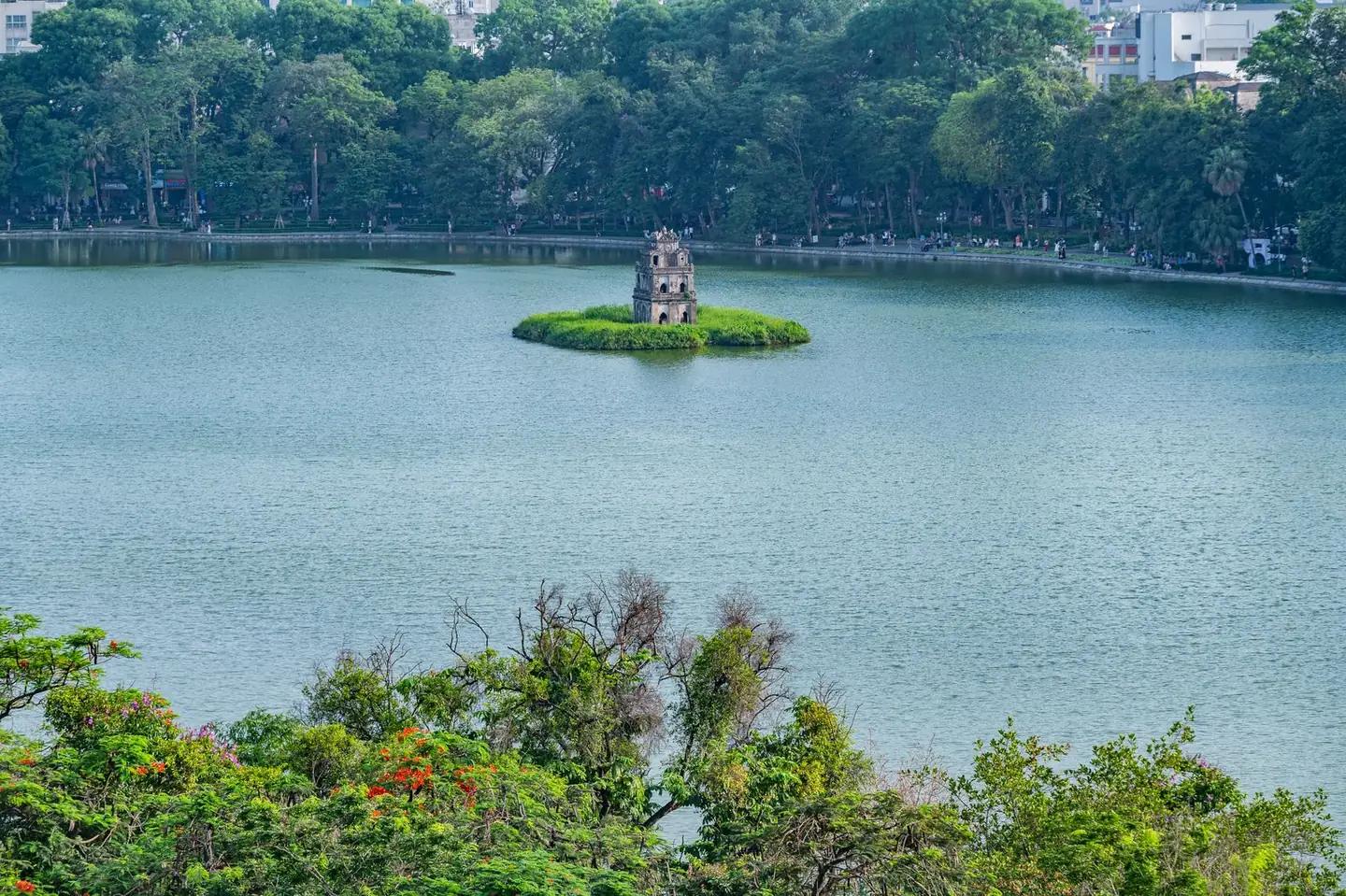
Sightseeing & tours · Hoan Kiem Lake, Hanoi
ChapterAround the lake
Hoan Kiem Lake is the city's calm heart. A red bridge leads to Ngoc Son Temple on a small island, and the lakeside path is where Hanoians exercise at dawn and gather in the evening. Nearby, St. Joseph's Cathedral, built in neo-Gothic style, is surrounded by small cafés.
ChapterHistory and culture
The Temple of Literature, Vietnam's first university, is a peaceful complex of courtyards and gates dating from the eleventh century. The Ho Chi Minh Mausoleum and the surrounding complex, including the One Pillar Pagoda and the stilt house where he lived, are an important site for Vietnamese visitors, with strict dress and behavior rules and limited opening days, so check the schedule. The Hoa Lo Prison Museum tells a difficult story of colonial and wartime imprisonment. The Vietnam Museum of Ethnology is an excellent place to learn about the country's many ethnic groups.
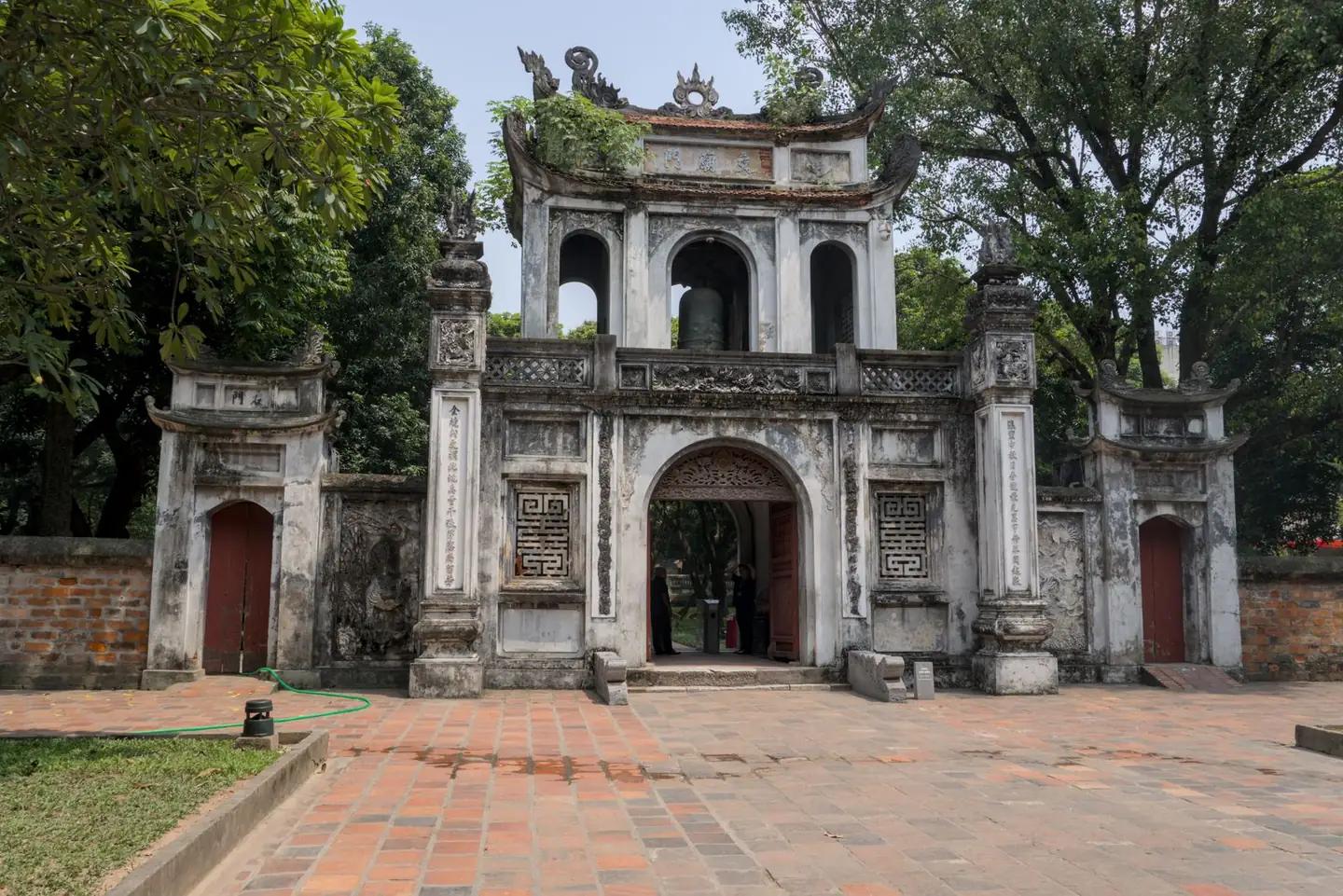
Arts & culture · Temple of Literature, Hanoi
A traditional water puppet show, with wooden puppets dancing on water, is a charming and distinctively Vietnamese piece of theater.
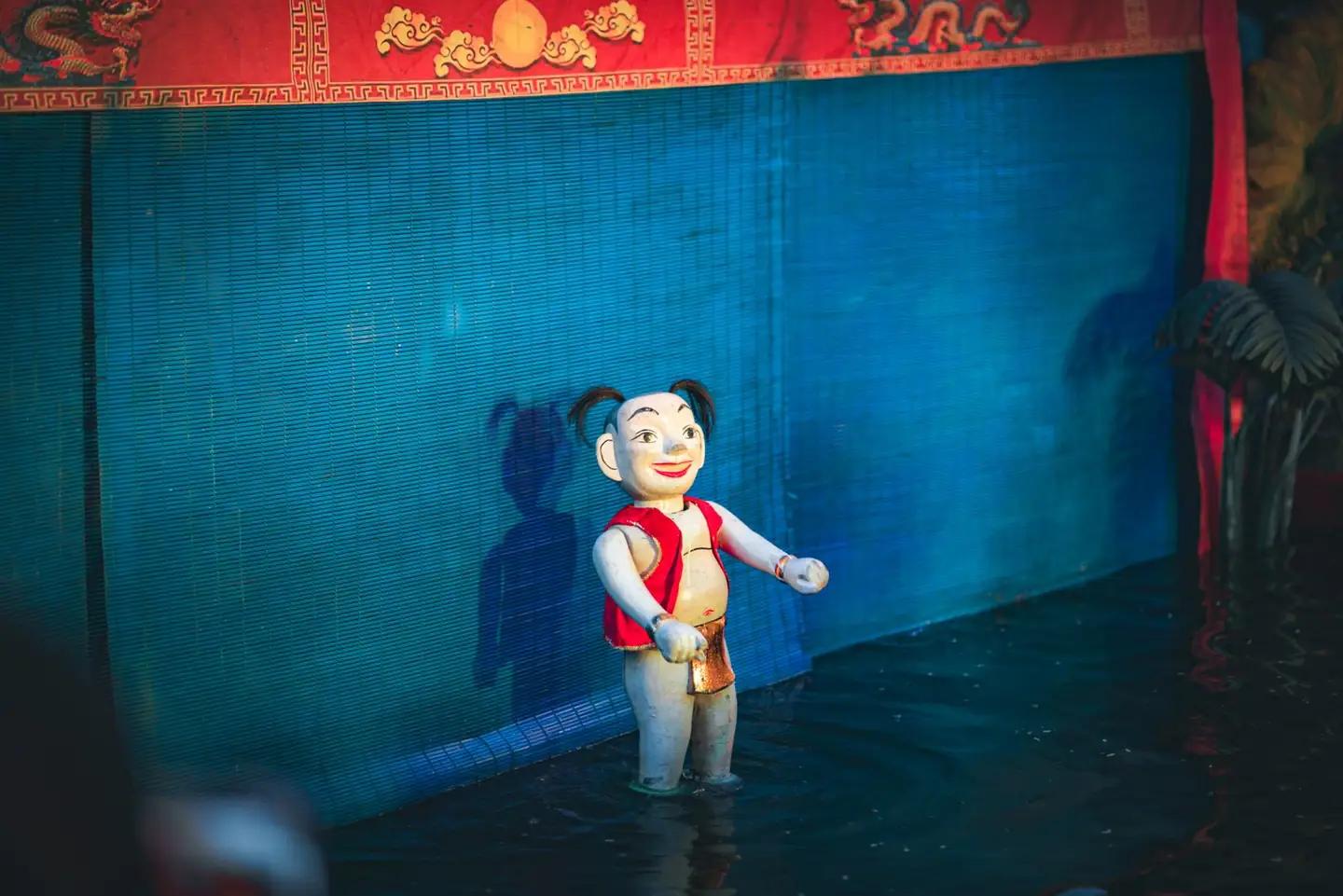
Arts & culture · Thang Long Water Puppet Theatre, Hanoi
ChapterEating in Hanoi
Hanoi is a food city. Pho, noodle soup with beef or chicken, is said to have been born here, and a breakfast bowl at a street-side stall is a classic start. Bun cha, grilled pork with rice noodles and herbs, is the typical lunch. Banh mi, a baguette sandwich, cha ca, turmeric fish with dill, and egg coffee, a sweet, creamy drink made with egg yolk, are all local specialties.
Eat where the locals eat, on small plastic stools at the roadside, and choose stalls that are busy. Bia hoi, fresh draft beer, is sold at sidewalk corners for very little, and is a fun way to spend an evening.
ChapterHow to cross the street
Crossing a Hanoi street feels like a leap of faith. The method is simple: look for a gap, walk steadily at a constant pace and never stop or dart suddenly. The motorbikes will flow around you, and drivers expect you to be predictable.
ChapterDay trips and further afield
Ha Long Bay, with its limestone islands rising from emerald water, is the famous outing, usually done as an overnight cruise. Ninh Binh, sometimes called Ha Long Bay on land, offers boat rides through caves and karst scenery and is close enough for a day trip. Bat Trang, a ceramics village, is an easy half-day, and Sapa, in the northern mountains, is a longer trip by train or bus.
ChapterPractical notes
The Train Street cafés, where trains pass inches from the tables, have been restricted from time to time, so check current rules and never enter closed areas. Use metered taxis or ride-hailing apps, and watch out for overcharging. Dress modestly at temples.
ChapterWhen to go
Autumn, from October to December, is widely considered the best season, with cool, dry weather. Spring is mild with drizzle. Summer is hot and humid, and winter can be surprisingly cold and damp. Tet, the Lunar New Year, closes many businesses for several days, so plan around it.
Check current details: Vietnam Tourism.


