Athens can feel unruly at first. Concrete apartment blocks stretch toward the horizon, traffic is dense and the ancient sites sit among modern streets as though dropped there. Give it a day and the logic appears: the hills are the anchor, the neighborhoods are the life and the evening is when the city comes into its own.
ChapterThe Acropolis, and how to see it
The Acropolis is the reason most visitors come, and it deserves care. The Parthenon is the centerpiece, but the Propylaea gateway and the Erechtheion with its Caryatids are just as worth your time. The rock is hot, exposed and busy in the middle of the day. Go at opening or in the late afternoon, wear shoes with grip because the marble is slippery, and bring water.
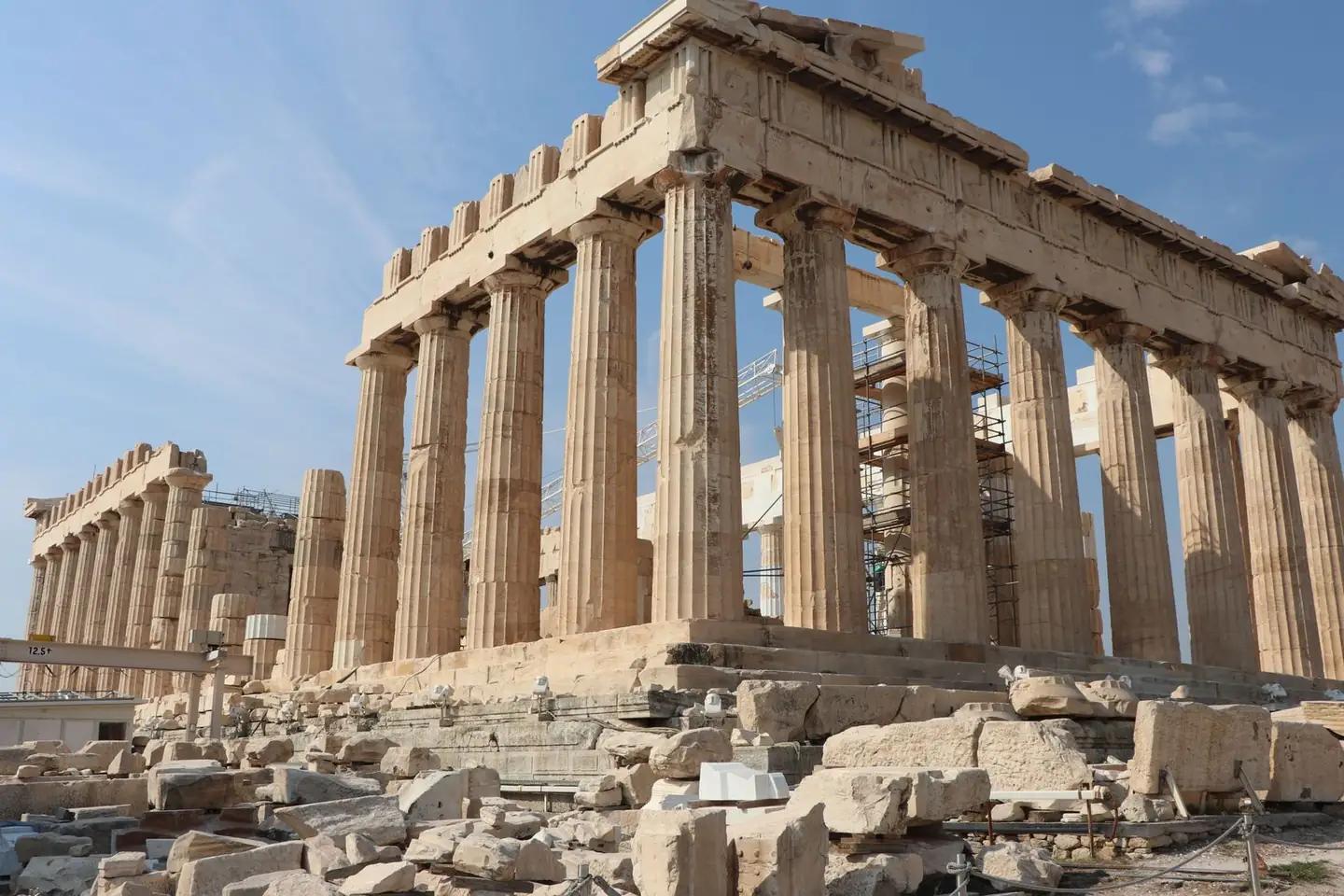
Sightseeing & tours · Acropolis of Athens, Athens
Below the rock, the Acropolis Museum is one of the best archaeological museums anywhere, with views up to the Parthenon from its upper floor. Spend an hour there, ideally after the climb.
Arts & culture · Acropolis Museum, Athens
ChapterThe ancient neighborhoods
The Ancient Agora, the marketplace of classical Athens, is one of the most atmospheric sites in the city, with the beautifully preserved Temple of Hephaestus and shaded paths. The Roman Agora, Hadrian's Library and the Temple of Olympian Zeus add layers. Check whether a combined ticket makes sense for the sites you want to see.
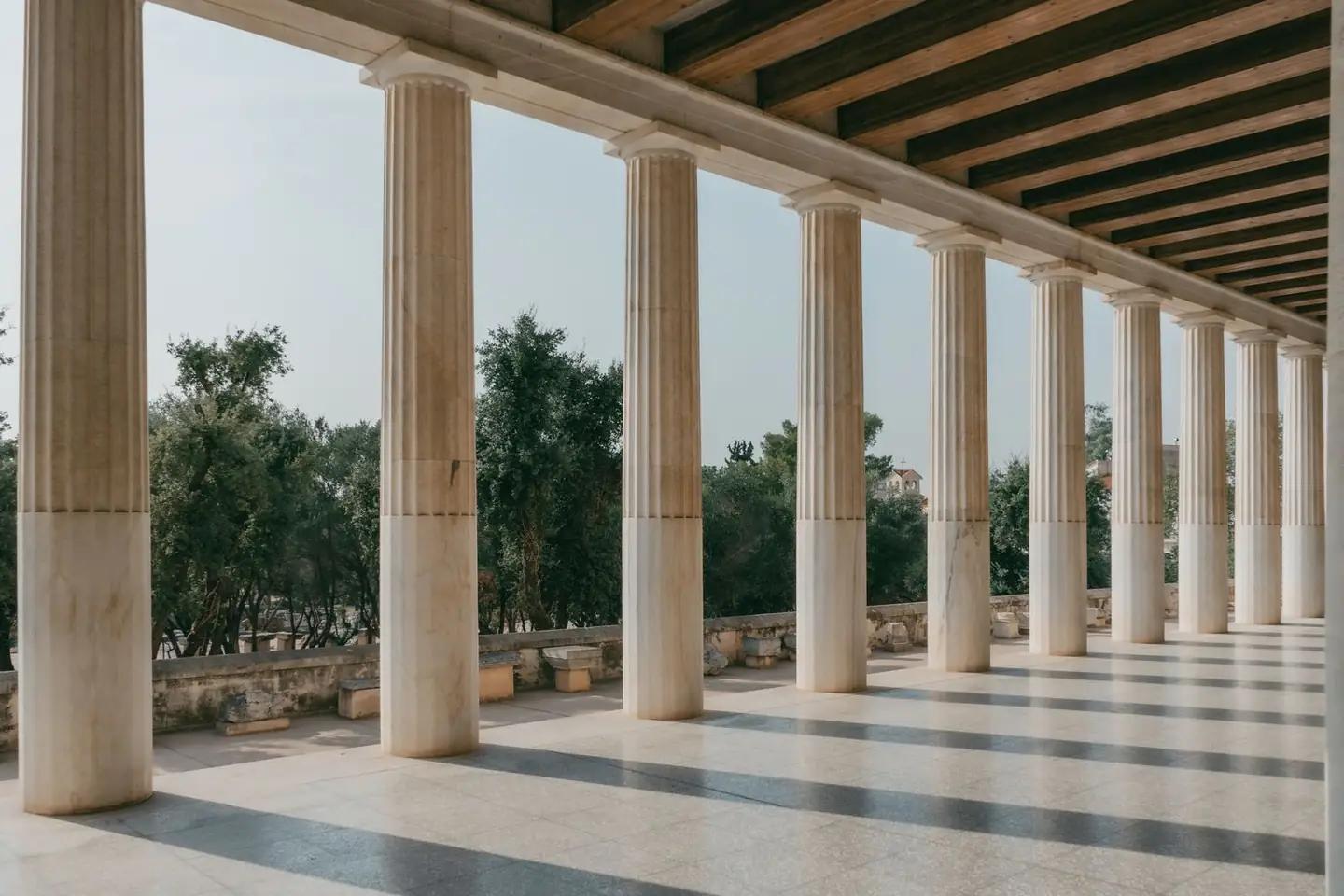
Sightseeing & tours · Ancient Agora of Athens, Athens
The Panathenaic Stadium, a marble stadium that hosted the first modern Olympics, is a fine stop. For a wide view of the city, climb Lycabettus Hill by foot or funicular at sunset, with the Acropolis lit up below.
ChapterNeighborhoods to wander
Plaka, below the Acropolis, is the old quarter, with tavernas and souvenir shops, and the village-like lanes of Anafiotika above it feel like a Greek island. Monastiraki has a flea market, especially lively on Sundays. Psyrri, Thissio and Koukaki hold cafés, bars and local life. Kolonaki is the polished district, with boutiques and galleries, and Exarchia is known for its alternative character.
ChapterWhat to eat
Eat like an Athenian: souvlaki and gyros for a quick lunch, koulouri, a sesame bread ring, for breakfast, and spanakopita, spinach pie, from a bakery. Greek salad is a staple, and meze, a table of small shared plates, is the best way to eat in a taverna. For dessert, loukoumades, honey-soaked dough balls, are a simple pleasure. Greek coffee, thick and served in small cups, rewards a slow sit. Seafood is at its best around Piraeus, particularly at Mikrolimano harbor.
Meals are long and late. Dinner often starts after nine, and lingering is expected.
ChapterThe coast and beyond
Athens has a coastline, the Athens Riviera, with beaches and lakeside swimming at Vouliagmeni, a short tram or bus ride from the center. Cape Sounion, with its Temple of Poseidon on a cliff, is the classic sunset trip. Ferries from Piraeus reach Aegina, Hydra and other islands for easy day trips.
Further away, Delphi, with its mountain sanctuary, and Nafplio, a lovely seaside town, make good longer excursions.
ChapterPractical notes
The metro is clean and efficient, and some stations display antiquities found during construction. Summer heat is serious, so plan sightseeing early and rest in the afternoon. Many sites close on public holidays, so check ahead.
ChapterWhen to go
Spring and autumn are the best seasons, with warm days and mild evenings. Summer is very hot but lively, and many Athenians leave in August. Winter is mild, with fewer visitors and occasional rain.
Check current details: This is Athens.


