The first thing to understand about eating in Tokyo is that most restaurants do one thing and do it carefully. There is a place for ramen, a place for tempura, a place for grilled chicken skewers, and the good ones are often small, with a few seats and a short menu. That makes eating easy if you know what you want, and it makes wandering rewarding if you do not.
ChapterA market morning
Until 2018 the world's biggest fish market stood at Tsukiji. The wholesale operation has since moved to Toyosu, but the outer market, a maze of lanes lined with small shops and stalls, remains, and it is still one of the best places in the city for breakfast. Come hungry and graze: tamagoyaki, a sweet rolled omelette, grilled seafood on skewers, a small bowl of rice topped with raw fish. Most stalls are busiest in the morning and wind down by the early afternoon, so go early.
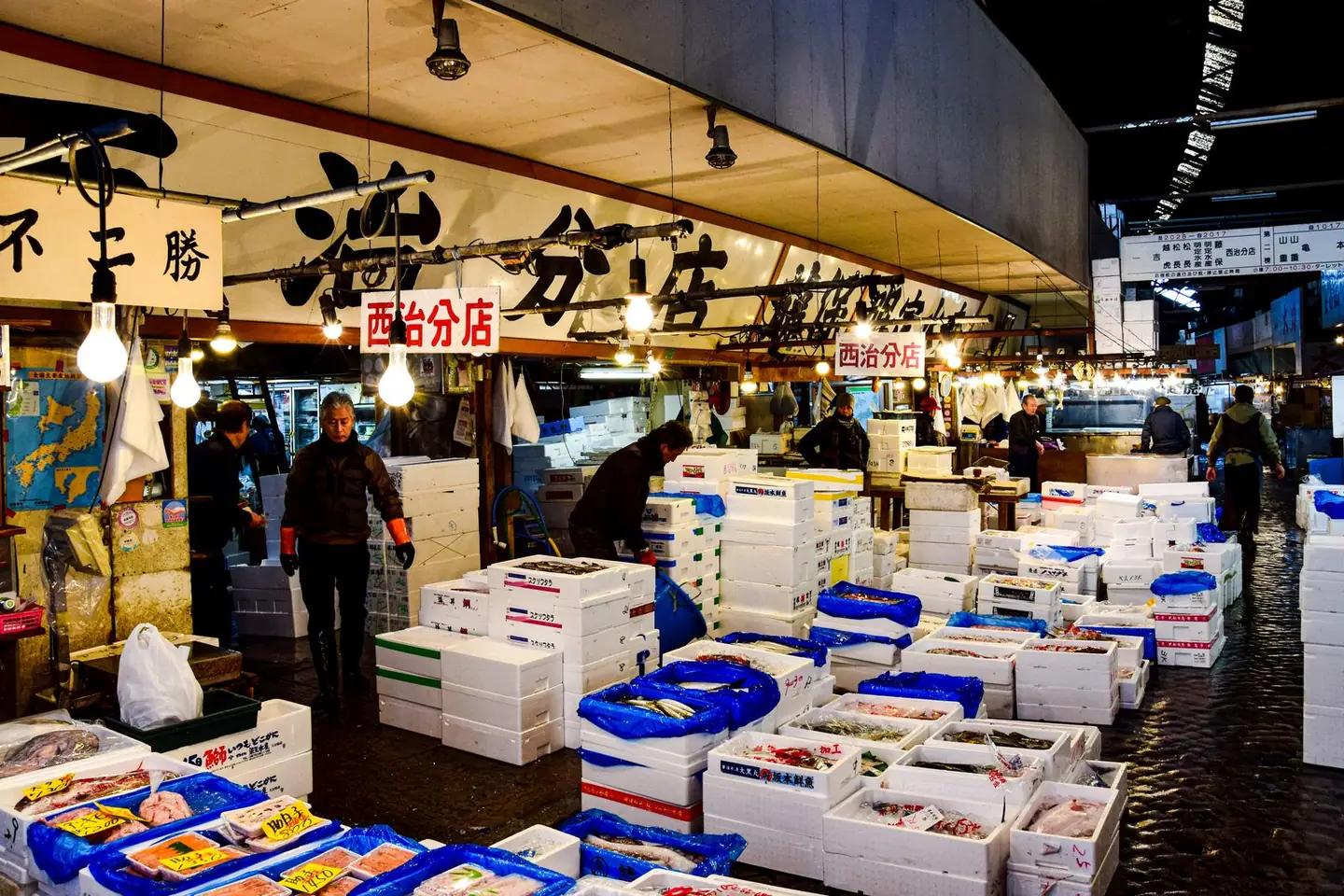
Food & drink · Tsukiji Outer Market, Tokyo
ChapterRamen, in all its versions
Tokyo's classic bowl is shoyu ramen, with a clear soy-based broth and thin curly noodles, though you will also find tonkotsu, with its rich pork-bone broth, as well as miso and salt styles. Most shops use a ticket machine by the door: pick your bowl, pay, hand the ticket to the cook and take a seat at the counter. Slurping is normal, and it is polite to finish quickly, because others are waiting.
If you do not know where to start, Tokyo Ramen Street, in the basement of Tokyo Station, gathers a handful of well-known shops in one corridor. Queues form at peak hours, so pick the one that moves fastest.
Food & drink · Tokyo Ramen Street, Tokyo
ChapterThe department store basement
In Japan the food hall in a department store basement, known as a depachika, is a destination of its own. You will find immaculate counters of pastries, bento boxes, pickles, sweets and seasonal fruit, many with samples. Isetan in Shinjuku is one of the best, and it is ideal for assembling a picnic or a late lunch. In the last hour before closing, many counters discount their prepared food.
Food & drink · Isetan Shinjuku food hall, Tokyo
ChapterEvening in the lanes
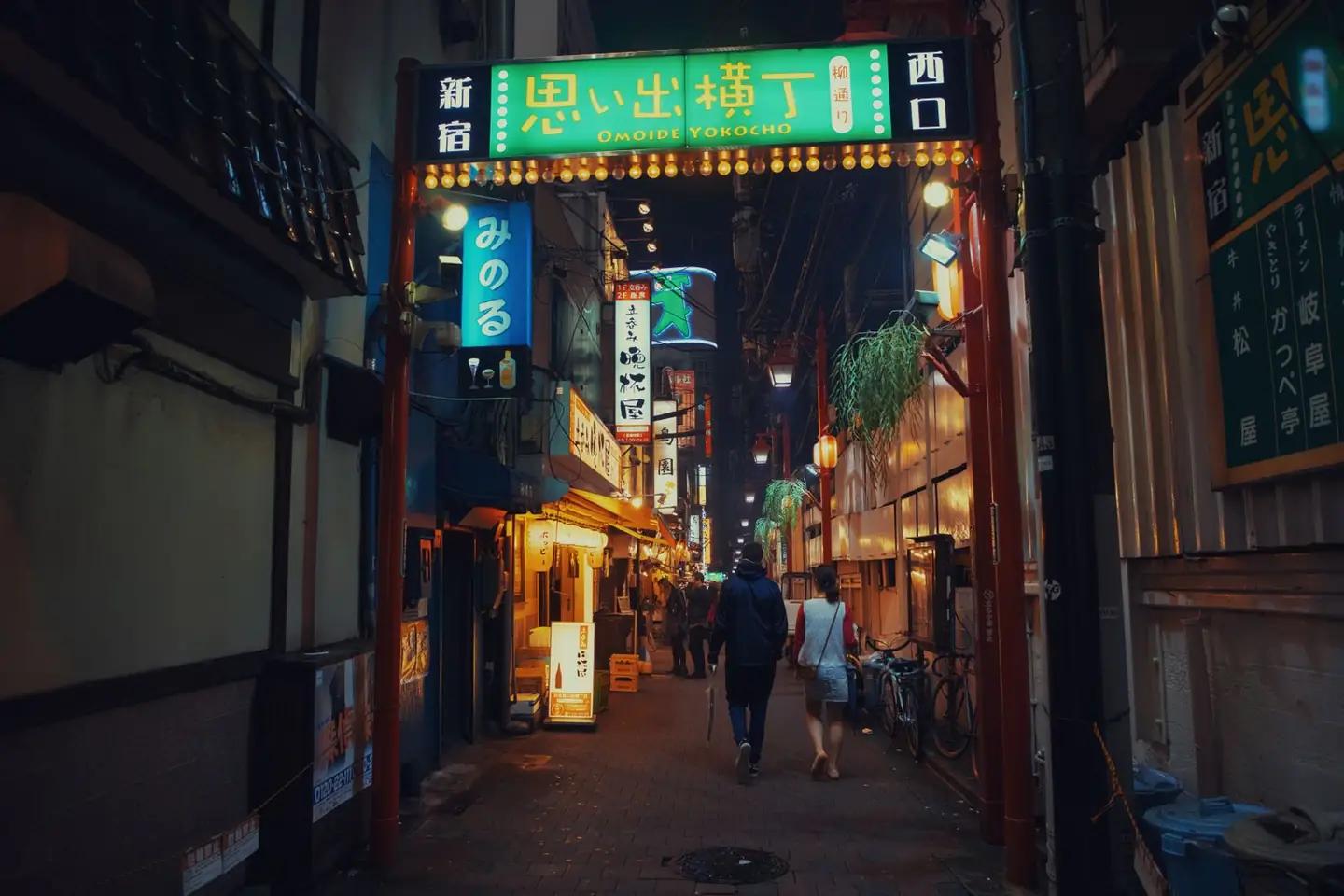
Omoide Yokocho, or Memory Lane, is a cluster of narrow alleys beside the railway tracks in Shinjuku, packed with tiny counters serving yakitori, grilled skewers of chicken and vegetables, with beer and sake. Seating is tight and the smoke is part of the atmosphere. Order a few skewers at a time and a drink, and move on when you have finished.
Golden Gai, a short walk away, is a block of about two hundred bars, each with a handful of seats. Some charge a cover and some prefer regulars, so look for a sign in English, or ask before sitting down. It is best to choose one and stay for a drink, rather than hop around.
ChapterSmall things worth knowing
Convenience stores sell excellent onigiri, rice balls with fillings, and are a fine breakfast. Many izakaya, or pub-style restaurants, add a small table charge that comes with a little starter dish. Tipping is not expected. Cash is still useful at small places, so keep some yen with you, and note that many counters close between lunch and dinner.
ChapterWhen to go
Autumn and spring are the most comfortable seasons for walking between meals. Summer is hot and humid, which suits cold noodles, and winter is cold and clear, which suits a hot bowl of ramen at a counter.
Check current details: Go Tokyo.