Torres del Paine is not a place you drop into between other plans. It is a national park of granite towers, glacial lakes, open steppe and wind, set far from the nearest big town, and the experience depends heavily on how you structure your time. The first and most important decision is the scale: a day visit, a few days of shorter walks from a base, or one of the long treks.
KapitelDecide the scale before anything else
A day visit from Puerto Natales is possible and can be rewarding if you focus. You can drive or join a tour to viewpoints on the park's main roads, add one good walk and be back for dinner. It is a long day, though, and weather can close the best views.
A few days from a base gives you time to choose trails by conditions. This is the format we would suggest for most visitors who do not want a multi-day trek: stay near the park, choose one longer day walk and several short ones, and keep a spare day for weather.
The multi-day treks, the W and the full circuit, are among the most famous hikes in South America. They require reservations for campsites or refuges, a real level of fitness and gear for cold, wet and windy conditions. Plan them months ahead, and only if you want that kind of trip.
KapitelThe classic walks
The walk to the viewpoint beneath the three granite towers is the most famous in the park, and it is a long, demanding day, with a steep final climb over rocks. Start early and carry everything you might need.
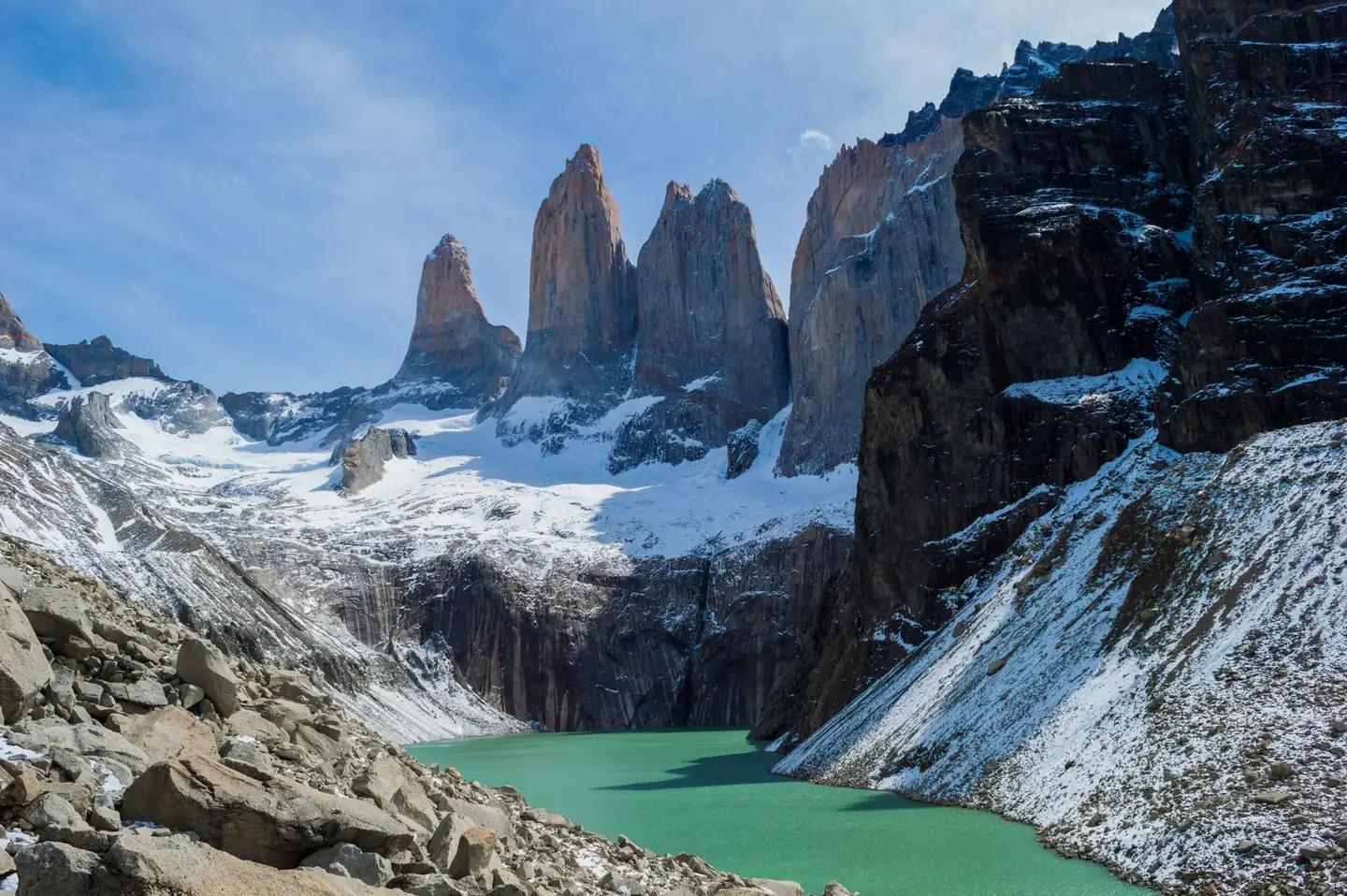
Draußen aktiv · Base of the Towers, Torres del Paine
Grey Glacier, reached along the lake to the west, offers views of a vast ice field and floating icebergs. The French Valley, in the middle of the W, is spectacular but demanding. Easier options include the lakeside paths near Lago Pehoé, the walk to Salto Grande waterfall and the Mirador Condor viewpoint.
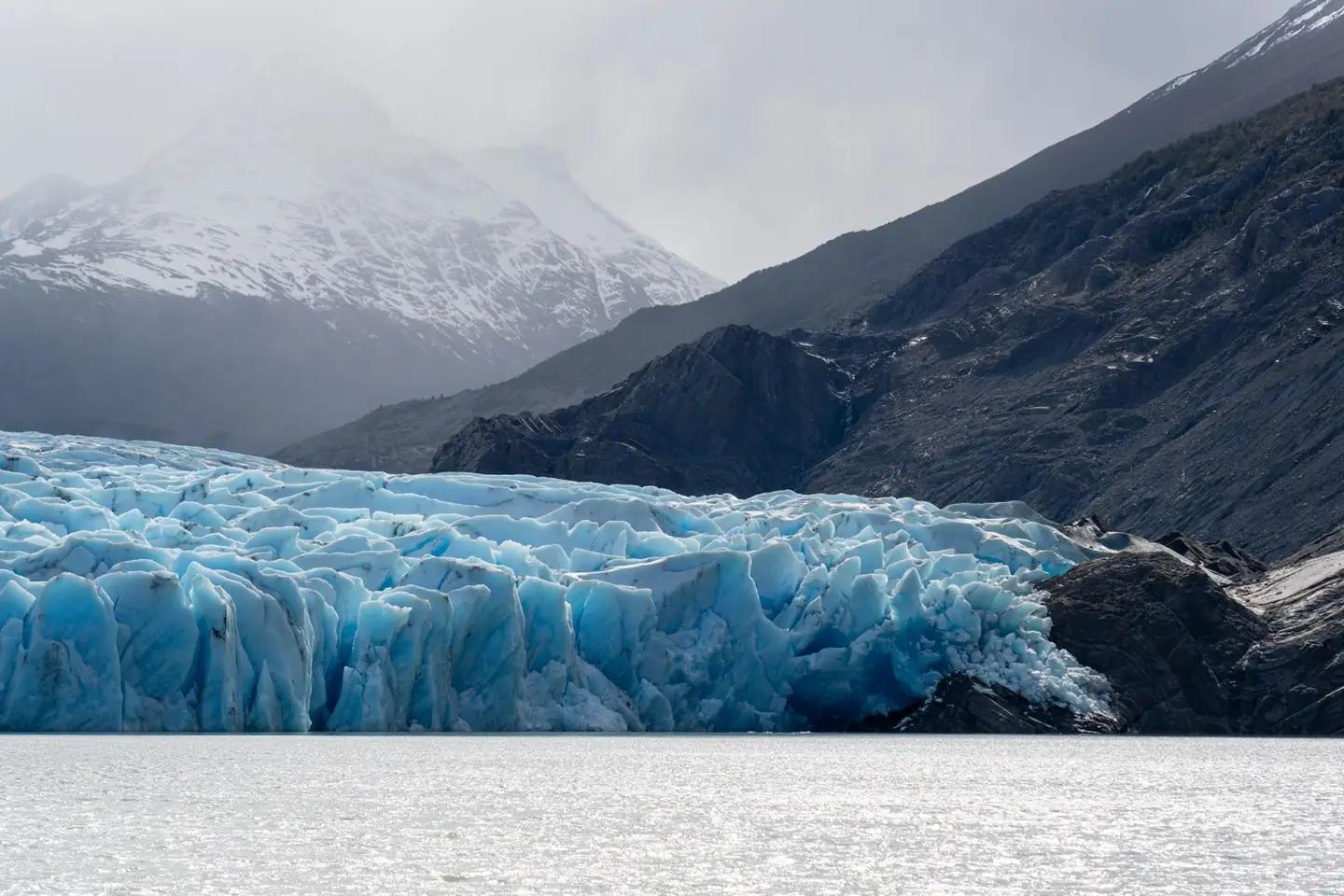
Draußen aktiv · Grey Glacier, Torres del Paine
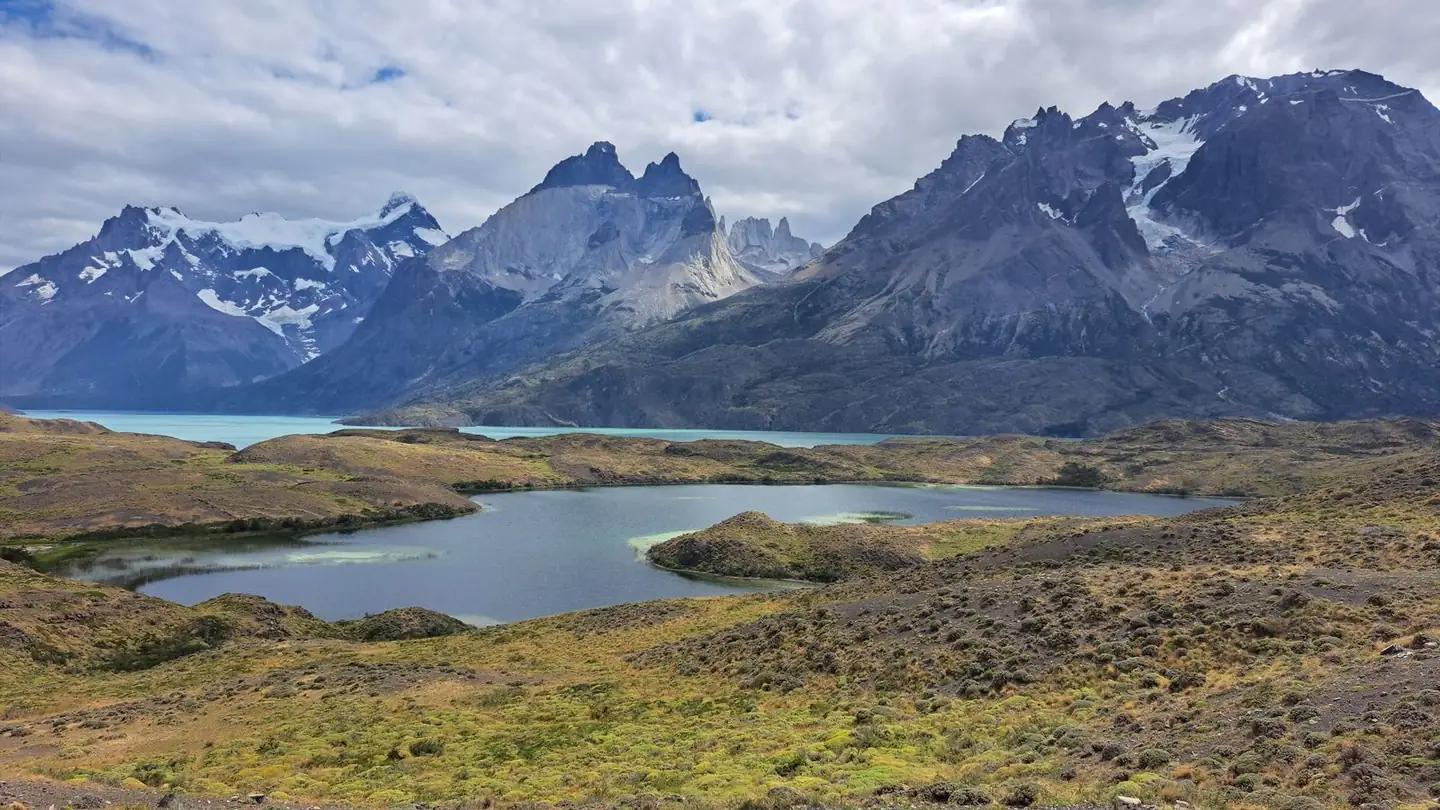
Draußen aktiv · Lago Pehoé, Torres del Paine
KapitelWeather is the main character
Patagonian weather can bring sun, rain, hail and gale-force wind in a single day. Wind in particular shapes everything, from your balance on exposed ridges to whether boats run. Pack waterproof layers, warm clothing and sun protection, and keep a flexible attitude. A tight schedule built around one summit view is the most common way visitors end up disappointed.
KapitelWildlife and landscape
Guanacos, cousins of the llama, graze along the roads and across the steppe. Andean condors ride the thermals above the cliffs, and rheas, foxes and, more rarely, pumas live in the park. Keep a respectful distance from all animals and follow ranger guidance.
KapitelRules and respect
The park manages access carefully. Check CONAF's current information for entry arrangements, required reservations, trail closures and any guide requirements for certain routes. Stay on marked trails, carry out all your rubbish and never light fires. The park has suffered serious fires in the past, and the rules exist for good reason.
KapitelGetting there and staying nearby
Most visitors fly to Punta Arenas, and some use the small airport near Puerto Natales, then continue overland. Puerto Natales is the main gateway town, with accommodation, restaurants and tour operators. Staying there gives you comfort, but a night or two inside or next to the park saves long daily drives. If you plan a day trip, check the current transport options and the travel time before you commit.
KapitelWhen to go
The main season runs through the southern summer, roughly November to March, with long days and the most reliable access, but also the largest crowds and the strongest winds. The shoulder seasons offer quieter trails, changing colors in autumn and fewer people, with colder weather and shorter days. Winter is possible, but many services reduce and some routes close.
Check current details: CONAF: Parque Nacional Torres del Paine.


