Vienna is a city of rooms. Grand ones, like the opera house stairwell and the museum halls along the Ringstrasse, but also humble ones: a coffee house with newspapers on wooden holders, a wine tavern with benches under a tree, a market stall where someone will slice you a taste of cheese. If you plan the trip around rooms rather than monuments, the city makes a lot more sense.
KapitelHow we would shape three days
Day one belongs to the center. Start at St. Stephen's Cathedral, walk the pedestrian streets of the Graben and Kärntner Straße, then cut toward the Hofburg and the courtyards behind it. Finish with a long coffee house sitting rather than a last museum. Day two is for art: pick one big collection, such as the Kunsthistorisches Museum or the Albertina, and give it half a day. Spend the other half in the MuseumsQuartier courtyards or at the Naschmarkt. Day three is the one most visitors skip, and it is the best: take the tram out to a neighborhood that is not on the postcard.
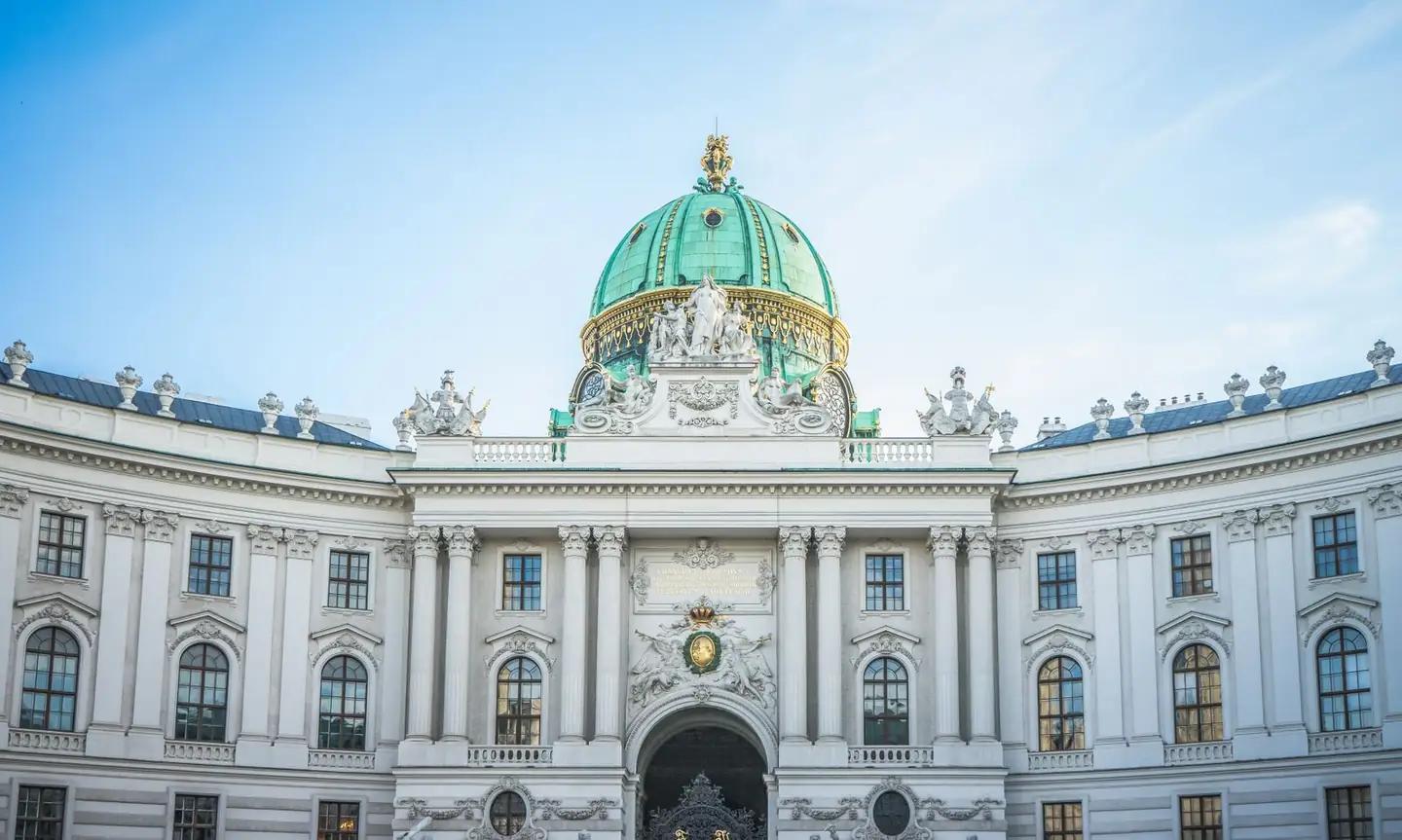
Sehenswürdigkeiten & Touren · Hofburg Palace, Vienna
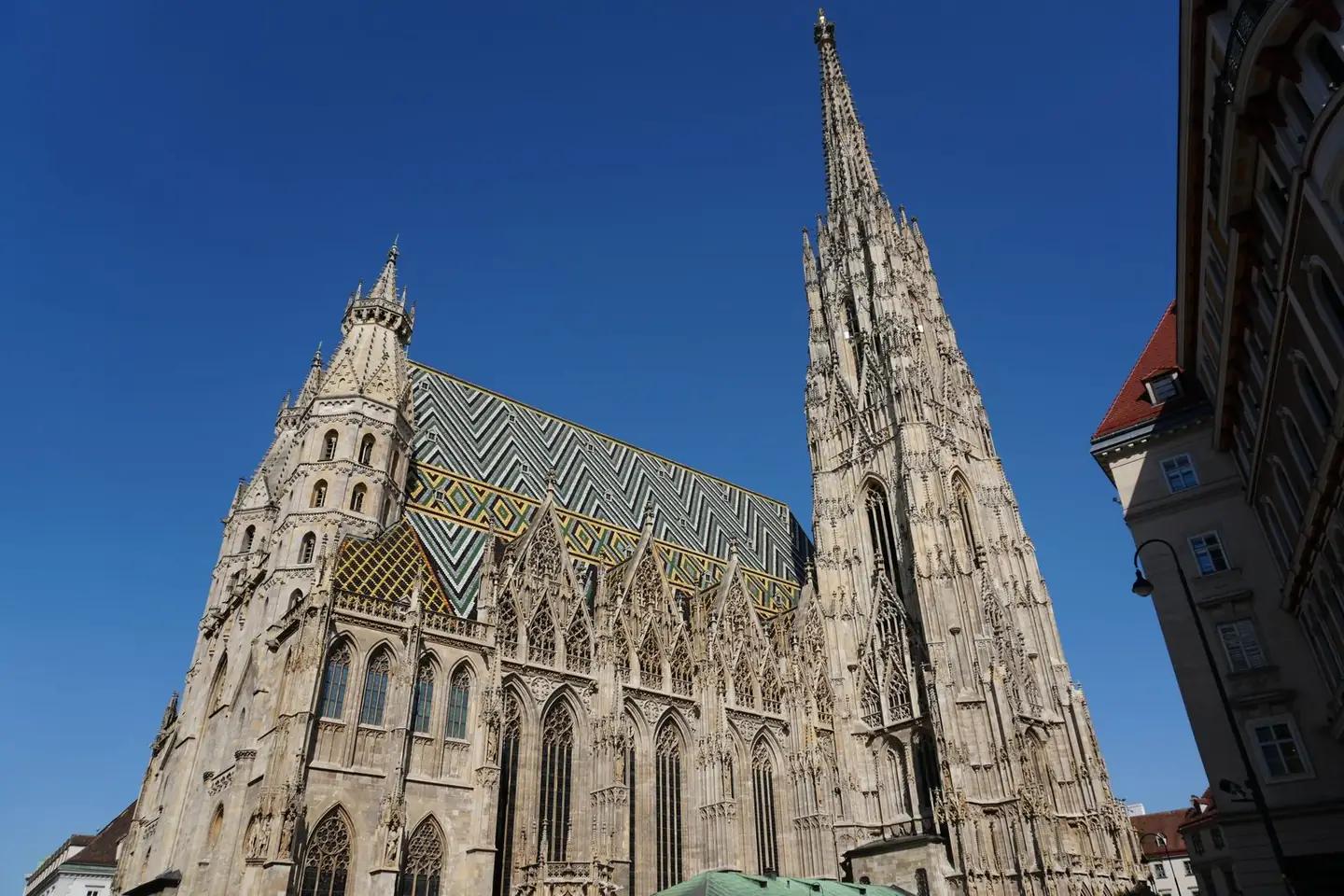
Sehenswürdigkeiten & Touren · St. Stephen's Cathedral, Vienna
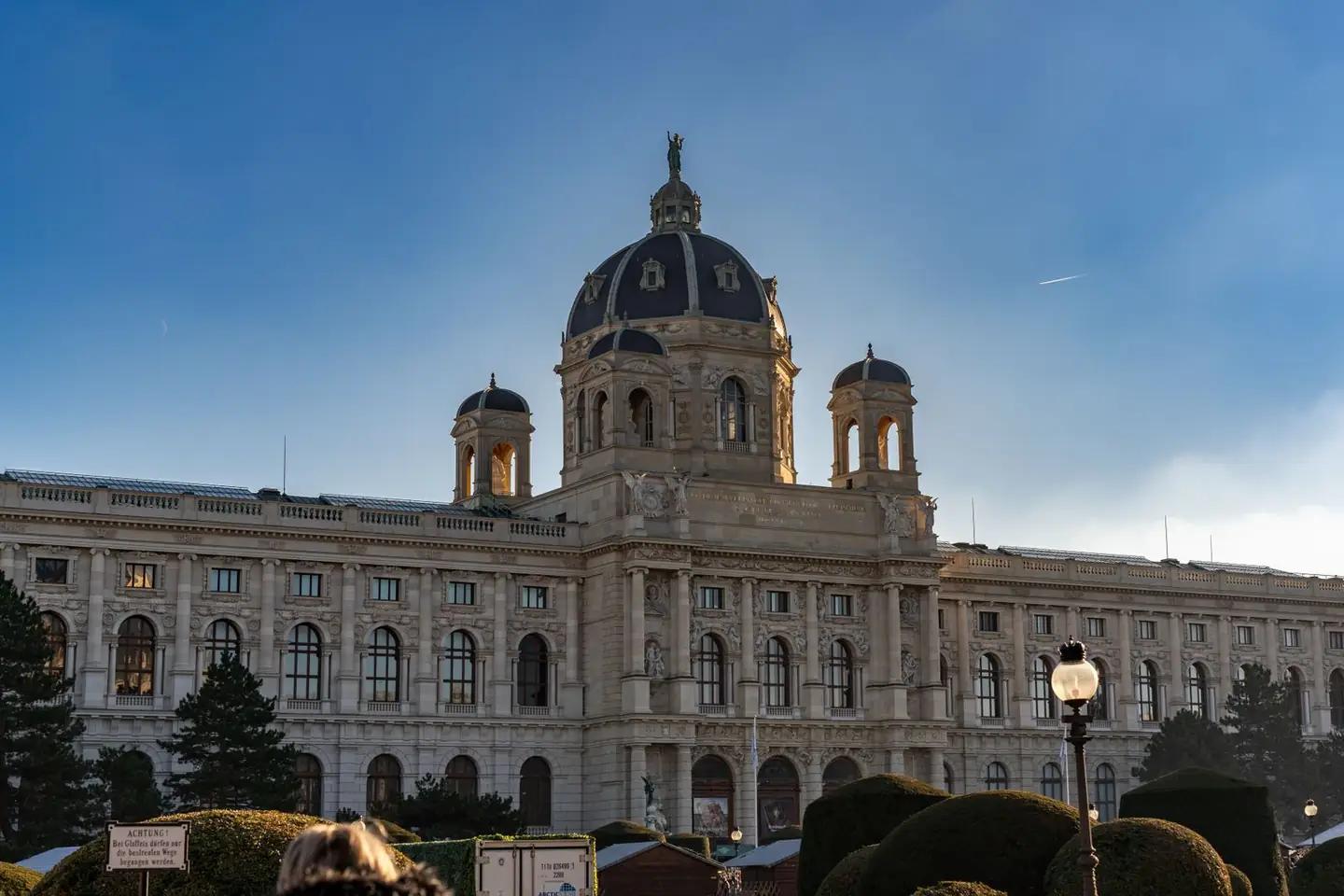
Kunst & Kultur · Kunsthistorisches Museum, Vienna
If you only have two days, drop the second museum and keep the neighborhood day. Vienna is at its most convincing when you see it going about its ordinary business.
KapitelThe coffee house is the destination
A Viennese coffee house is not a quick caffeine stop. You order one drink, you get a glass of water with it, and nobody will hurry you for hours. Try a Melange (similar to a cappuccino) or an Einspänner (strong coffee under whipped cream), and pair it with whatever is in the pastry case. Café Central, Café Sperl, Café Landtmann and Café Hawelka are the famous ones, and they are famous for good reason, though they can have queues at peak hours. Smaller neighborhood coffee houses are often quieter and just as pleasant.
Bring something to read. Linger. It is the single most Viennese thing you can do.
KapitelBeyond the Ring
The Ringstrasse circles the old center and holds many of the great buildings, but the districts outside it are where Vienna lives. Neubau and Josefstadt, just west of the center, have independent shops, small courtyards and cafés. Spittelberg has cobbled lanes and a pleasant evening mood. The Karmelitermarkt in the second district is a calm alternative to the busier Naschmarkt, particularly on a Saturday morning.
For a different perspective, take a walk along the Danube Canal, where street art, bars and summer terraces line the water. In warm weather, cross to the Danube Island for swimming and cycling.
KapitelEating and drinking
Wiener Schnitzel, properly made from veal and fried in a thin golden crust, is the dish people come for, and a good tavern will serve it with potato salad and a lemon wedge. Tafelspitz, boiled beef with horseradish and apple sauce, is the old imperial favorite. For dessert, Apfelstrudel and Sachertorte are classics, though Kaiserschmarrn, a torn sweet pancake with fruit compote, is the better order if you are sharing.
For wine, head to a Heuriger, a wine tavern run by the growers themselves, in the outer districts such as Grinzing, Nussdorf or Stammersdorf. You choose food from a buffet, find a bench and drink the new local wine. It is a half-day outing and a great way to end a sightseeing week.
KapitelGetting around
The center is walkable, but trams and the U-Bahn are fast, frequent and easy to use. Trams 1 and 2 circle the Ring and are a pleasant way to see the grand buildings without walking all of it. Shops are mostly closed on Sundays in Austria, so plan Sunday around museums, parks and coffee houses, not errands.
KapitelDay trips and further afield
The Wachau valley, with its vineyards, riverside villages and the abbey at Melk, makes a good day by train or boat. Bratislava is about an hour away by train or boat and works as an easy extra day. If you prefer to stay close, the Vienna Woods on the western edge of the city offer walks, viewpoints and wine taverns reachable by public transport.
KapitelWhen to go
Spring and early autumn are the sweet spots: mild weather, outdoor seats and fewer crowds than summer. December brings Christmas markets across the city, which are lovely but busy. Summer can be hot, which is when the Danube Island and the shaded wine gardens come into their own.
Check current details: Vienna Tourist Board.