Tokyo is not a city you can see. It is a city you sample, one neighborhood at a time, each with its own mood and its own pace. The size is intimidating, but the trains are so good and the neighborhoods so distinct that the best strategy is simple: pick a couple of areas, give them time and let the rest go.
KapitelThink in districts
Shibuya, famous for its scramble crossing, is loud, young and lit by screens. Walk the crossing once, then head to the quieter streets of Nakameguro or the vintage shops of Shimokitazawa. Harajuku mixes teenage fashion on Takeshita Street with the calm of Meiji Shrine, set in a forest, a few minutes away. Omotesando, nearby, is the city's tree-lined boulevard of architecture and boutiques.
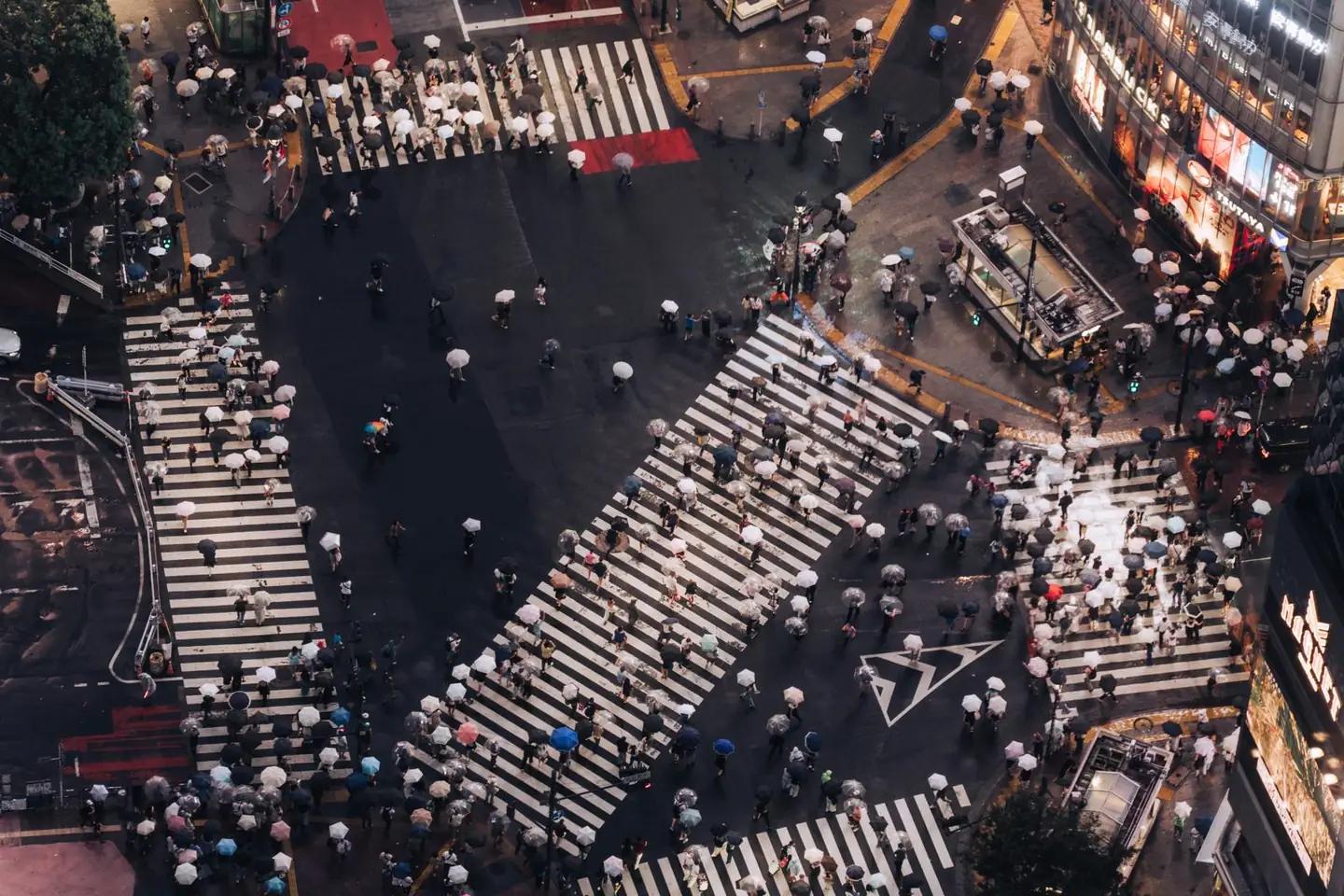
Sehenswürdigkeiten & Touren · Shibuya Crossing, Tokyo
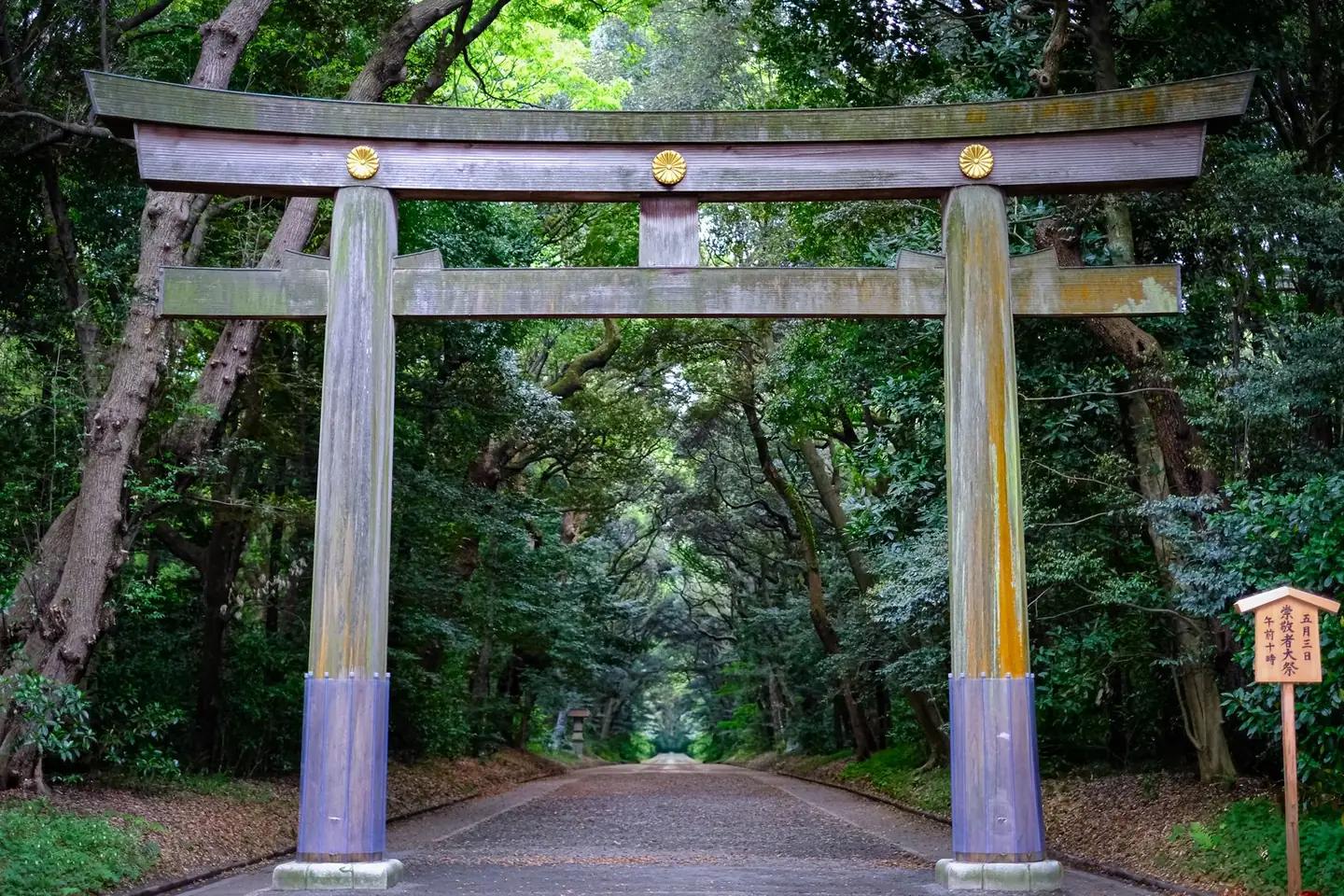
Kunst & Kultur · Meiji Jingu, Tokyo
Shinjuku is a different scale again: skyscrapers, the vast station and, in the evening, the tiny bars of Golden Gai and the smoky yakitori alleys of Omoide Yokocho. Shinjuku Gyoen is a large garden that offers a welcome pause. The observation decks of the Metropolitan Government Building offer a free view over the city.
Asakusa has Senso-ji, Tokyo's oldest temple, and the old-fashioned shopping street leading to it. Go early, before the crowds, or in the evening when the lanterns glow. Nearby Ueno has a large park, museums and a market street, and Yanaka, a short walk away, is an old district of small temples and low houses that survived the war.
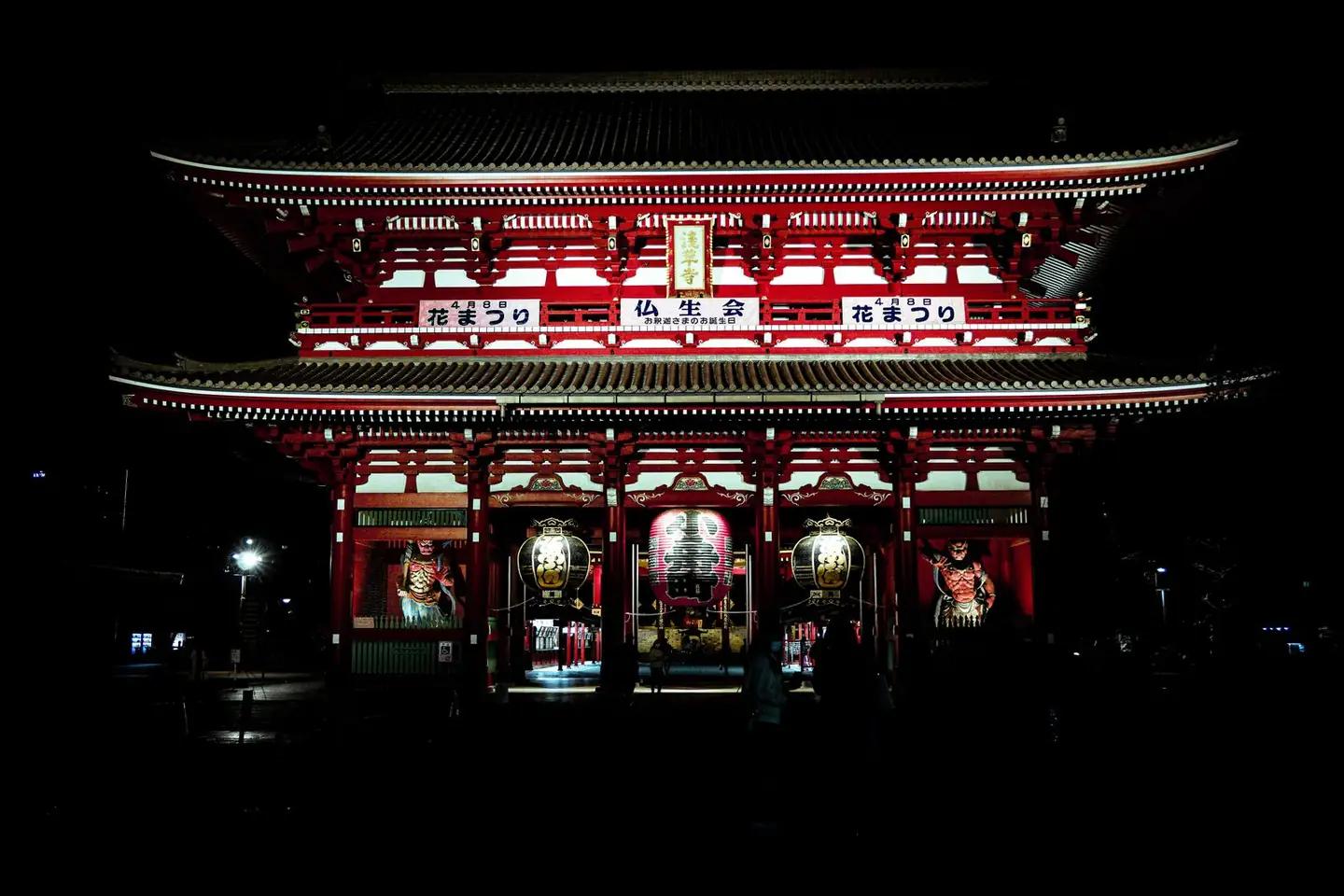
Kunst & Kultur · Senso-ji, Tokyo
KapitelThe other Tokyos
Akihabara is the center of electronics, anime and games. Ginza is the polished shopping district. Roppongi has major art museums. Odaiba, on reclaimed land in the bay, has futuristic architecture and digital art venues. Kagurazaka, with its stone lanes and French influence, feels like a village.
KapitelEating
Food is the best reason to be in Tokyo, and you rarely need a reservation. Sushi ranges from conveyor-belt counters to high-end omakase, and both are good. Ramen shops, often tiny, serve a bowl in minutes. Tonkatsu, tempura, soba, udon, curry and yakitori each have specialist restaurants. Izakayas, Japanese pubs, are made for sharing small dishes with drinks.
Convenience stores, the konbini, are worth knowing: the onigiri, sandwiches and hot snacks are far better than you expect. The basement food halls of department stores, the depachika, are a feast for the eyes and a great place for a picnic.
The Tsukiji Outer Market still has stalls for seafood and snacks, and the Toyosu market is where the wholesale action moved.
KapitelGetting around
Get a rechargeable IC card, such as Suica or Pasmo, and use it everywhere. Trains and subways are efficient and clean, but Tokyo's stations are large and confusing, so give yourself time and use a navigation app. Trains stop running around midnight, so plan your night accordingly. Rush hours are crowded, so avoid them if you can.
KapitelEtiquette
Keep your voice low on trains, and avoid phone calls. Do not eat while walking in busy areas. Tipping is not expected. Cash is still useful at smaller places, though cards are increasingly accepted. Take off your shoes where asked.
KapitelDay trips
Kamakura, with its great Buddha and seaside temples, is easy by train. Nikko has ornate shrines in a forested setting. Hakone offers hot springs and, on a clear day, views of Mount Fuji. Yokohama is a modern port city close by.
KapitelWhen to go
Cherry blossom season, in late March and early April, is magical and busy. Autumn brings red leaves in November. Summer is hot and humid, and Golden Week in early May is crowded. Winter is dry and clear, with the best views of Mount Fuji.
Check current details: GO TOKYO.


