Luxor was Thebes, the capital of ancient Egypt at the height of its power, and the evidence is staggering. Temples with columns the size of tree trunks, valleys of painted royal tombs, colossal statues standing in fields. The Nile divides the city in two: the east bank was for the living, with temples and the modern town, and the west bank was for the dead. The best visit follows this logic, with a day for each and a slower day for the river.
KapitelStart early, rest in the middle
Luxor is hot for much of the year, and the sites are exposed. Almost every ancient site opens early in the morning, and the first hours are the coolest, the quietest and the best for photography. Plan to sightsee until late morning, rest through the hottest hours, and return to the river or a temple in the late afternoon. Wear a hat and sunscreen, drink plenty of water and wear comfortable shoes.
KapitelThe east bank
Karnak is the largest temple complex in Egypt, a city of temples built over two thousand years. The Hypostyle Hall, a forest of massive carved columns, is one of the most awe-inspiring spaces in the ancient world. Allow at least half a day, and consider a guide to make sense of the layers. An avenue of sphinxes, restored in recent years, links Karnak to Luxor Temple, three kilometers away.
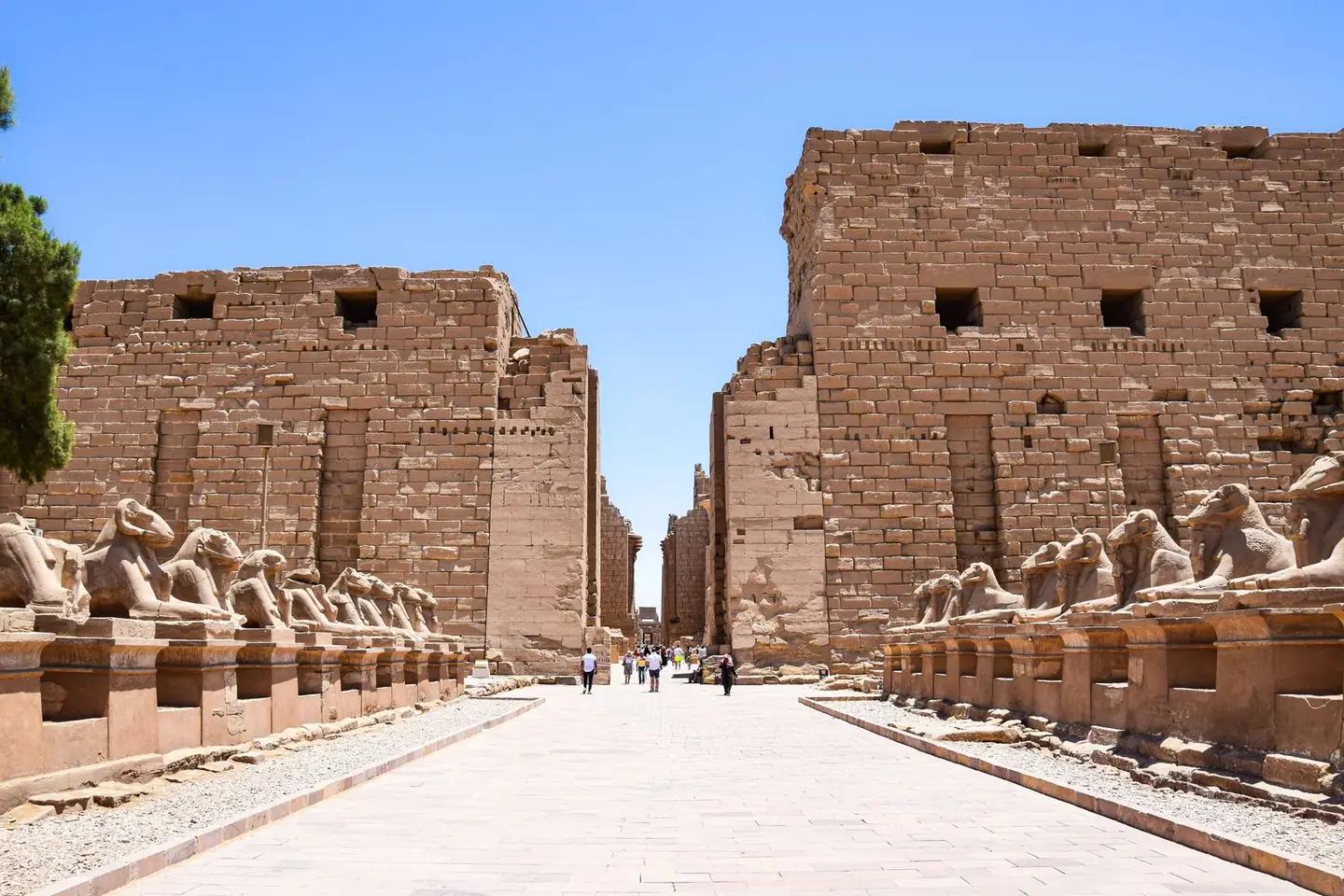
Sehenswürdigkeiten & Touren · Karnak Temple, Luxor
Luxor Temple, in the middle of the modern town, is beautifully lit at night, and an evening visit is atmospheric and cooler. The Luxor Museum, small but excellent, and the Mummification Museum add context.
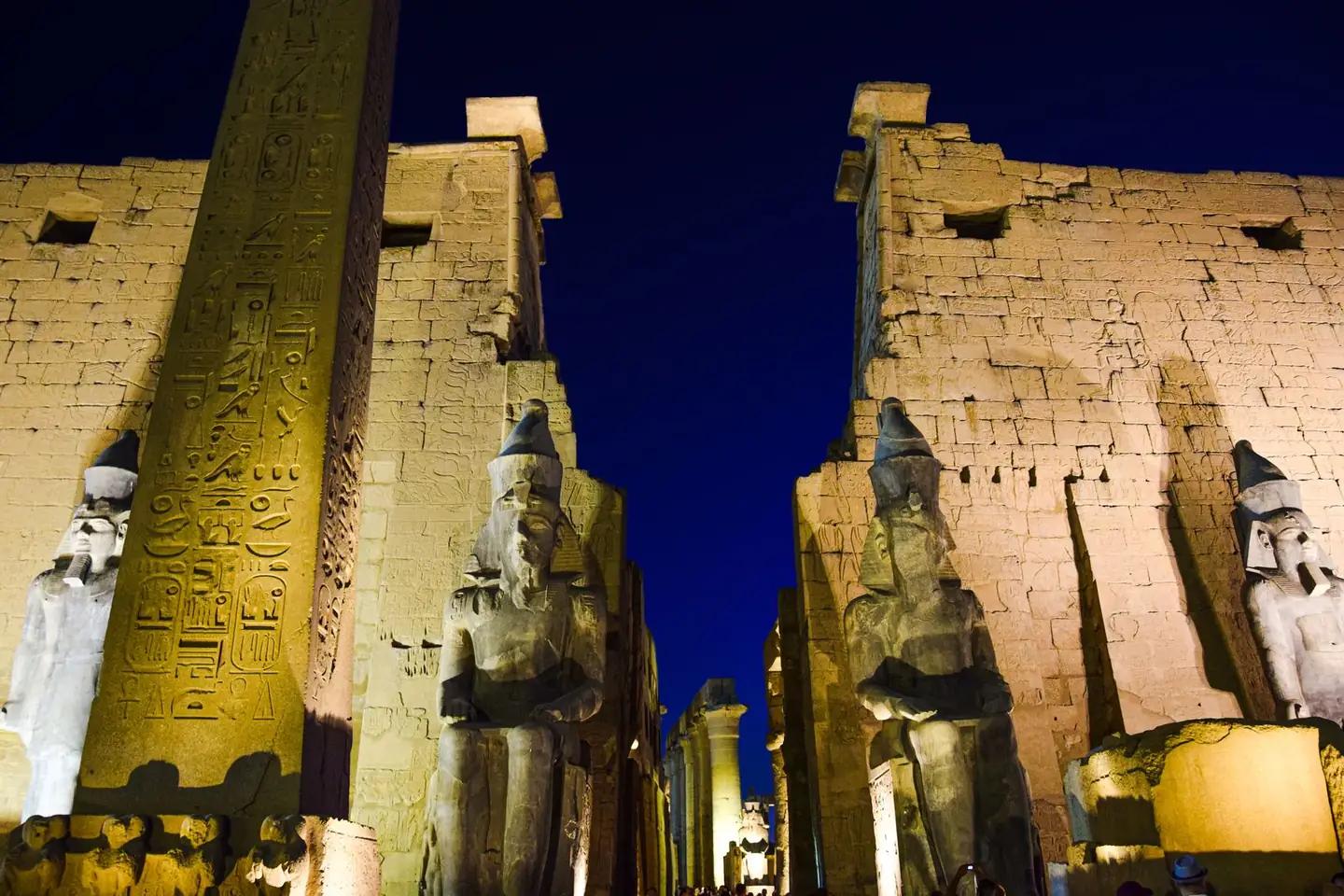
Sehenswürdigkeiten & Touren · Luxor Temple, Luxor
KapitelThe west bank
The Valley of the Kings holds the tombs of pharaohs, including Tutankhamun, cut deep into the rock and painted in vivid color. A standard ticket allows entry to a limited number of tombs, with extra tickets for some of the most famous, and the choice of which to see matters. Check the rules on photography, which are strict.
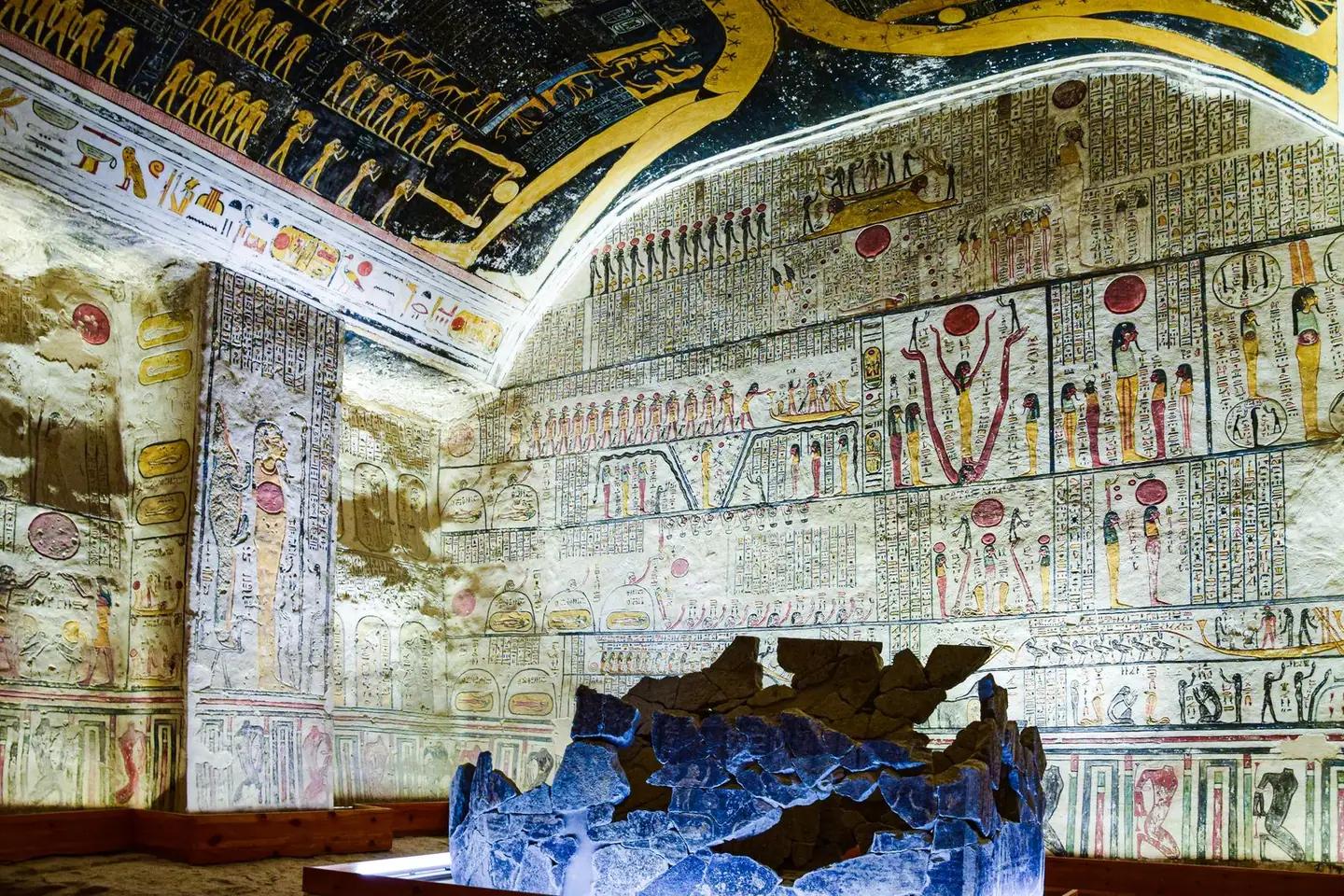
Sehenswürdigkeiten & Touren · Valley of the Kings, Luxor
Nearby, the Temple of Hatshepsut, a terraced mortuary temple cut into a cliff, is one of the most striking buildings in Egypt. The Valley of the Queens includes the tomb of Nefertari, with extraordinary paintings. Deir el-Medina, the village of the tomb workers, and the Tombs of the Nobles show scenes of daily life. The Colossi of Memnon, two giant seated statues beside the road, are a quick stop on the way. The Ramesseum and Medinet Habu are fine temples that are often far quieter than Karnak.
KapitelA morning at dawn
Hot-air balloon flights at sunrise are a famous Luxor experience, drifting over the temples and fields as the sun rises. Flights depend on weather and wind, and standards among operators vary, so choose a reputable company and check safety records and reviews.
KapitelOn the Nile
A felucca, a traditional sailing boat, is a gentle way to spend the late afternoon, drifting past green banks and palm trees. Agree the price and duration with the captain before boarding. Many visitors also take a Nile cruise between Luxor and Aswan, stopping at the temples of Edfu and Kom Ombo, usually over three or four nights.
KapitelDay trips
The Temple of Hathor at Dendera, about an hour north, is one of the best-preserved temples in Egypt, with a beautiful painted ceiling. Abydos, farther on, has the Temple of Seti I, with exquisite reliefs. Both can be visited on a long day trip.
KapitelEating
Egyptian food is simple and good. Koshari, a mix of rice, lentils, pasta and fried onions with spicy tomato sauce, is the national street food. Ful medames, stewed fava beans, and taameya, Egyptian falafel made with fava beans, are popular for breakfast. Molokhia, a green soup, and grilled pigeon are classic dishes. Fresh juices, particularly sugarcane and pomegranate, are a delight, and karkadeh, hibiscus tea, is the traditional drink.
KapitelPractical notes
Touts are common around the sites, offering rides, souvenirs and guides, and a polite, firm refusal is the way to handle them. Agree on prices before you accept a ride. Dress modestly, with shoulders and knees covered, particularly in the town and at religious sites. Tourist police are present at major sites, and standard travel precautions apply. Check current travel advice before you go.
KapitelWhen to go
The cooler months, from October to April, are the most pleasant, with warm days and cool nights. Summer, from May to September, is extremely hot, with temperatures often above forty degrees, and sightseeing is limited to the early morning and evening. During Ramadan, opening hours and eating places change.
Check current details: Egypt Travel.


