Kyoto is easy to see badly. The famous sights are spread far apart, they draw crowds at the same hours and they are tempting to stack into one exhausting list. The reward for slowing down is large: a city where a morning in a temple garden, an afternoon in a back lane and an evening over a small dinner add up to something calm and specific.
KapitelThink in districts, not sights
Pick one area a day and let it fill the day. Higashiyama, on the eastern hills, strings together Kiyomizu-dera, the preserved lanes of Sannenzaka and Ninenzaka, Yasaka Shrine and the evening streets of Gion. Arashiyama, to the west, has the bamboo grove, the river and the temples on the hill behind it. Northern Kyoto holds Kinkaku-ji and quieter temple complexes, and the south has Fushimi Inari with its thousands of gates and the sake district of Fushimi.
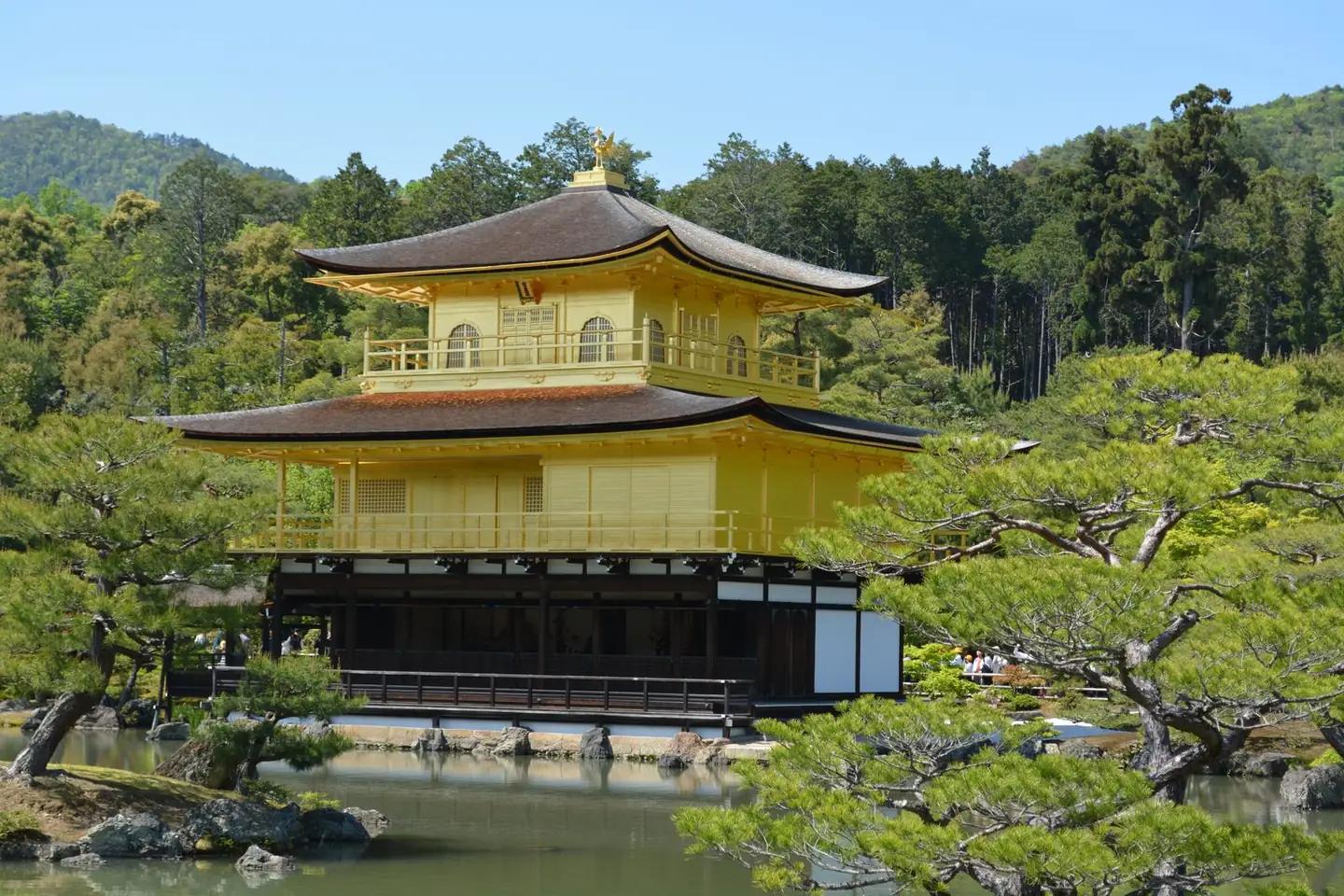
Kunst & Kultur · Kinkaku-ji, Kyoto
Crossing the city between districts takes real time. The kind of day that works is the one that stays in one corner and finishes with dinner nearby.
KapitelGo early, then wander
Almost every major temple is calmer in the first hour after opening. Fushimi Inari, in particular, rewards a very early start, because the gate-lined path climbs the mountain and thins out as you go higher. At Kiyomizu-dera or in Arashiyama, an early arrival means a clearer view and room to take it in.
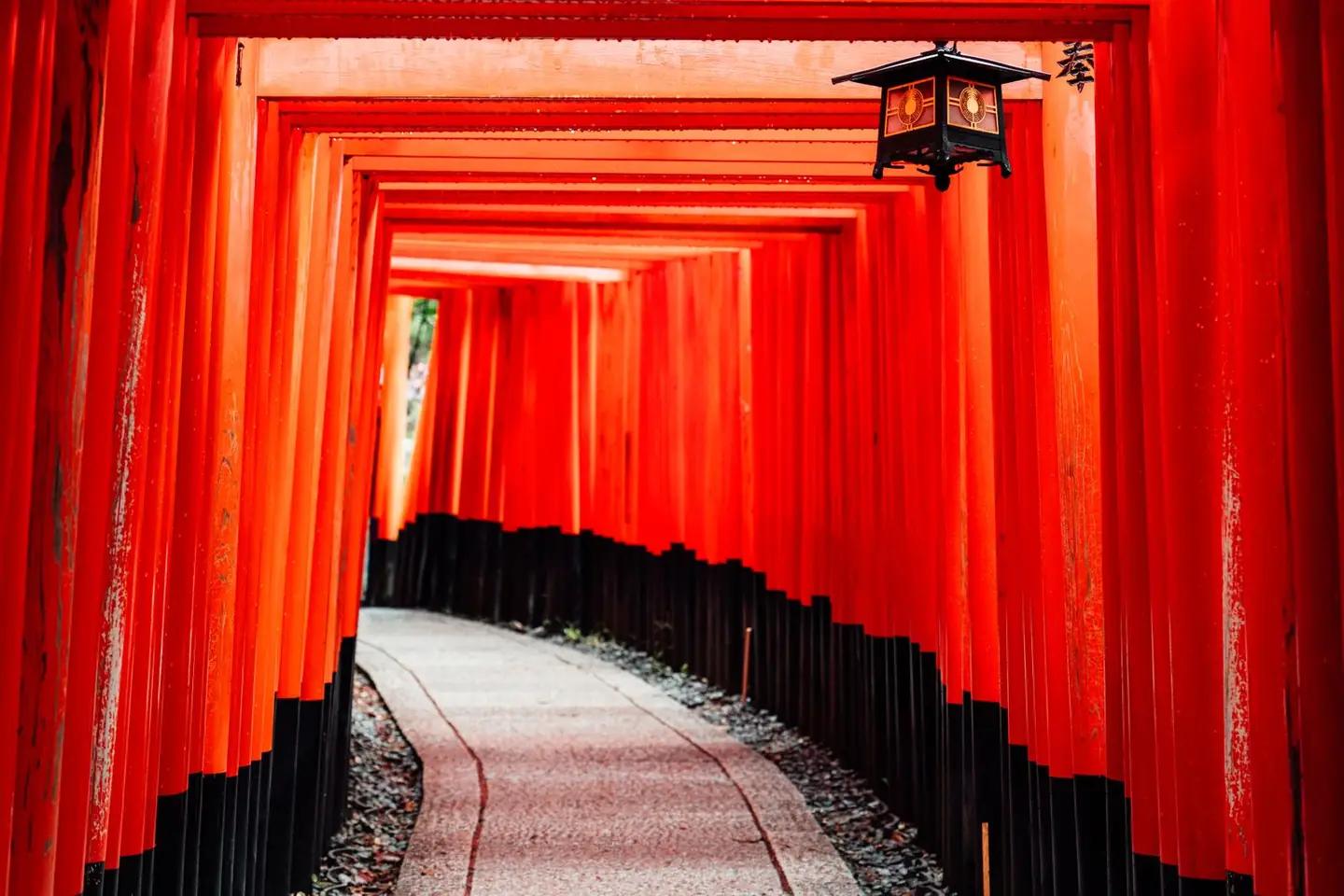
Kunst & Kultur · Fushimi Inari Shrine, Kyoto
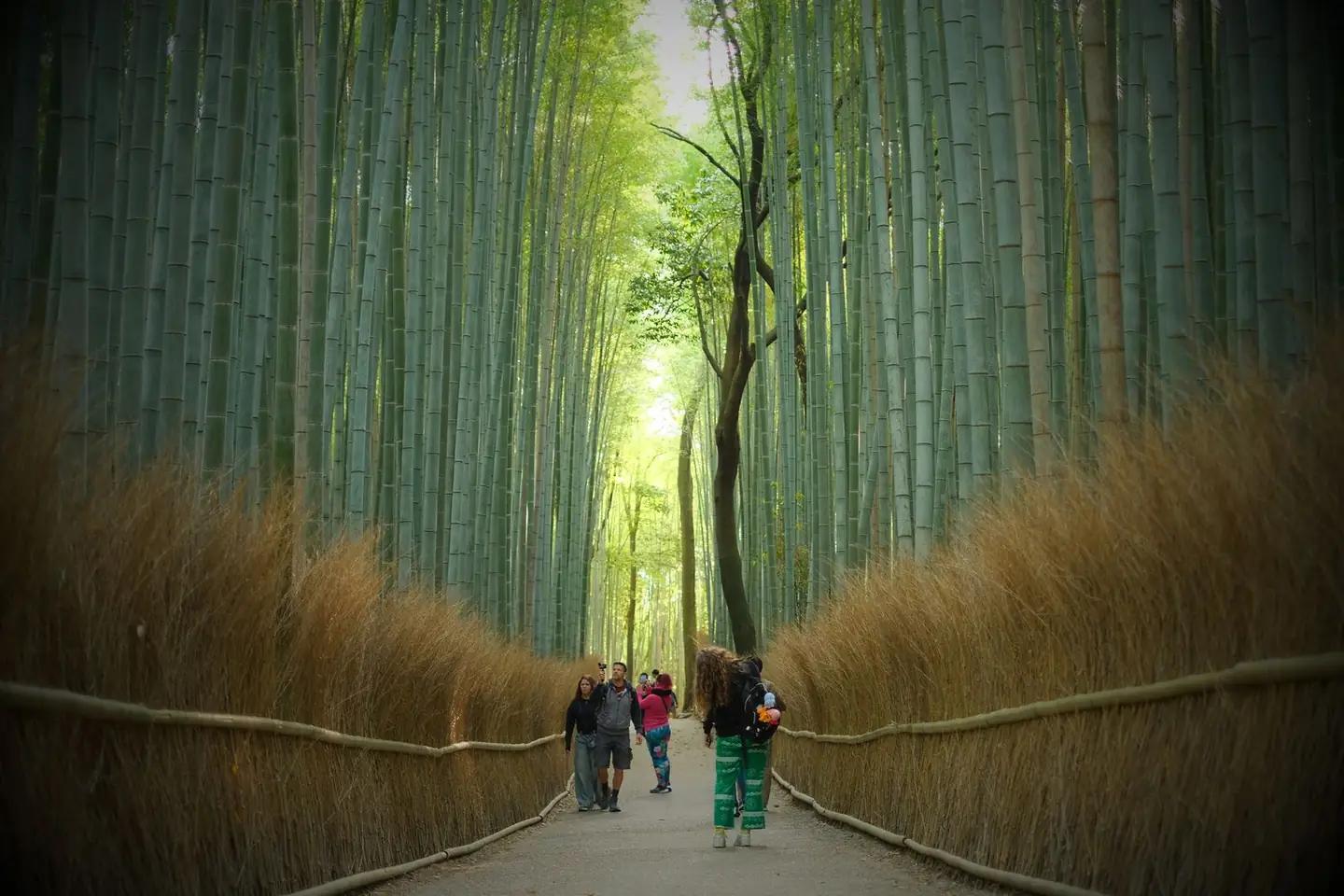
Draußen aktiv · Arashiyama Bamboo Grove, Kyoto
After the early rush, treat the rest of the day as flexible. Kyoto is full of smaller temples and gardens that rarely appear on first lists, such as the moss gardens, the sub-temples of Daitoku-ji and the quiet precincts along the Philosopher's Path. They are often where the visit becomes memorable.
KapitelTea, sweets and small meals
Kyoto's food is subtle and seasonal. Kaiseki, the multi-course meal, is the high end, and if it appeals you should book well ahead. For everyday eating, look for tofu and yuba (tofu skin) restaurants, obanzai (home-style small dishes), soba and udon shops, and the matcha sweets of Uji. Nishiki Market is a good place for a snack-and-sample walk, though it can be crowded in the middle of the day.
A tea house visit is worth building into a day. Sitting for an hour with a bowl of matcha and a sweet is one of the best ways to slow down in a city that can otherwise tempt you to rush.
KapitelRespecting the streets
Gion and other historic neighborhoods are residential. Follow posted signs, avoid blocking narrow lanes for photographs and give geiko and maiko room, as they are working. Many private lanes are closed to visitors for exactly this reason.
KapitelGetting around
Buses cover most sights but can be crowded, particularly at peak seasons. The subway handles north-south and east-west lines in the center, and trains reach Arashiyama, Fushimi and Uji. Walking is pleasant within a district, and many visitors rent a bicycle for flat areas such as the Kamo River and the center. Allow extra time on busy days, because Kyoto's popular routes fill quickly.
KapitelWhen to go
Spring brings cherry blossoms and autumn brings red maples, and both are crowded. If you want those seasons, book accommodation early and plan for early mornings. Summer is hot and humid, but it has its own rewards, including evening festivals and river terraces. Winter is quiet and cold, with a chance of snow on the temples, and it is a lovely time for a slow trip.
KapitelBeyond the city
Nara, with its deer park and large temples, is easy to reach by train and works as a day trip. Uji, known for tea, is a gentle half-day. If you want mountains, Kurama and Kibune, north of the city, offer a forest walk between two villages.
Check current details: Kyoto City Official Travel Guide.


