Hoi An is small enough to cover in a day and charming enough to fill three. Once one of Southeast Asia's great trading ports, it is now a preserved old town of yellow shophouses, wooden assembly halls and silk lanterns hung over narrow streets. It is touristy, certainly, but the beauty is real, and the surrounding rice fields, river and beaches make it a place to settle rather than just see.
KapitelThe old town
Cars are banned from much of the ancient town at certain hours, and walking is the only sensible way to explore. The Japanese Covered Bridge, a small wooden bridge with a roof, is the town's symbol. The Chinese assembly halls, built by merchant communities, such as the Fujian and Cantonese halls, are richly decorated with carvings and incense coils. Old merchant houses, such as the Tan Ky house, show how families once lived.
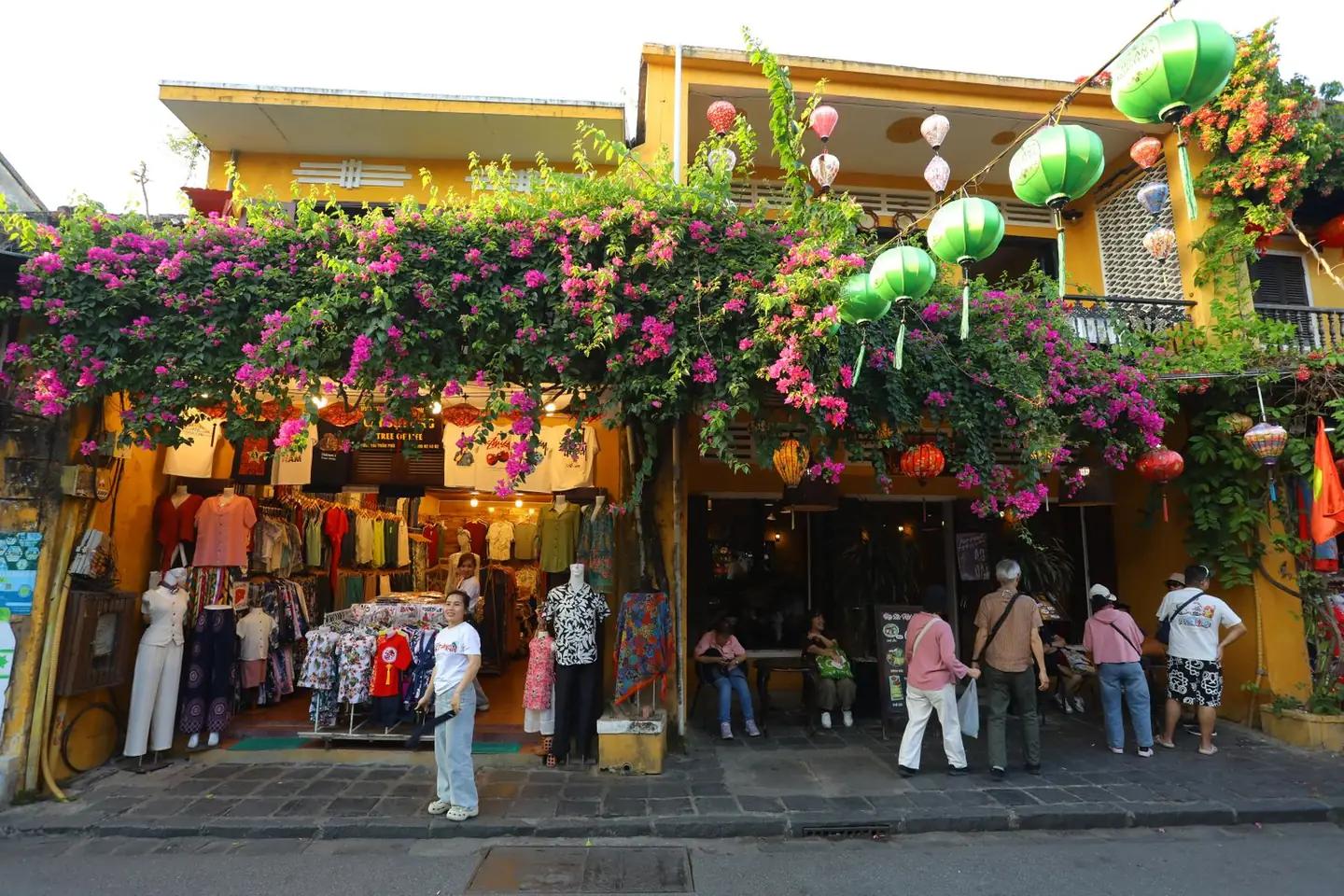
Sehenswürdigkeiten & Touren · Hoi An Ancient Town, Hoi An
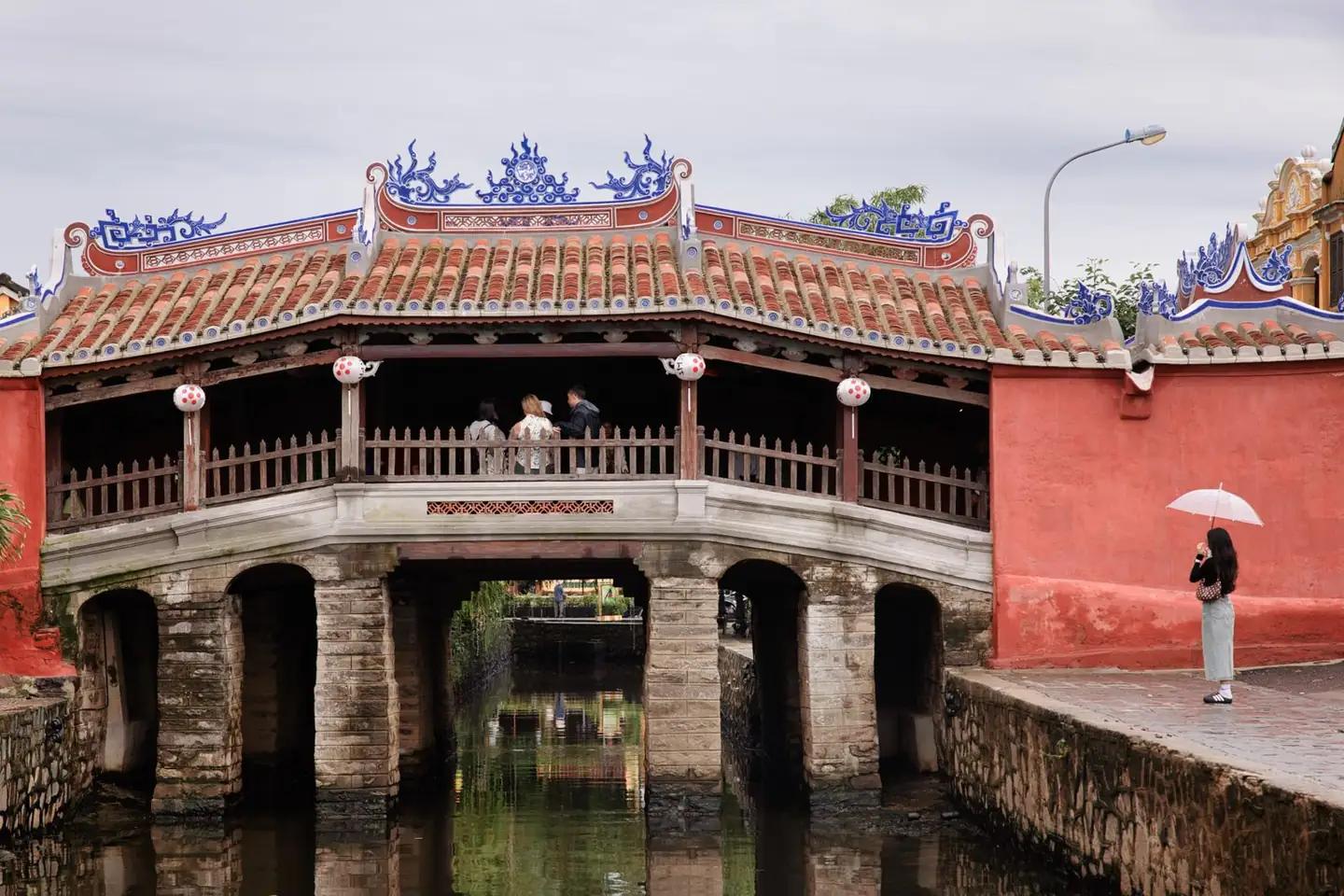
Sehenswürdigkeiten & Touren · Japanese Covered Bridge, Hoi An
Entry to some old town sites is by a ticket covering a selection of attractions, so check current rules. Go early in the morning, before the crowds and the heat, or in the evening when the lanterns glow.
KapitelLanterns and the river
At night, the old town transforms. Silk lanterns light the streets, and small boats carrying candles drift down the Thu Bon River. A boat ride in the evening is a popular, gentle activity. On the full moon, the town turns off its electric lights for a lantern festival, with music and games.
The night market on An Hoi island across the river sells crafts and lanterns, and is a pleasant stroll.
KapitelFood
Hoi An has its own cuisine. Cao lau, noodles with pork, greens and crisp croutons, is the signature dish, traditionally made with water from a local well. White rose dumplings, delicate shrimp-filled rice dumplings, and mi quang, turmeric noodles, are other local favorites. Com ga, chicken rice, is a hearty lunch. The banh mi here is famous, and queues form at the most celebrated stalls. A cooking class, with a market visit and boat ride, is one of the best-loved experiences.
KapitelTailors
Hoi An is known for its tailors, who can make clothes to measure in a day or two. Choose a shop carefully, compare fabrics and prices, bring photos of what you want and allow time for fittings. A good tailor will ask you to return for adjustments, and rushed jobs rarely turn out well.
KapitelBeaches and countryside
An Bang Beach, a short bike ride from town, has a relaxed beach scene with seafood restaurants. Cycling through the rice fields and visiting the Tra Que vegetable village, where farmers use organic methods, is a calming half-day. The Cham Islands, a short boat ride away, offer snorkeling and quieter beaches.
KapitelDay trips
My Son, a complex of ruined Cham temples in a jungle valley, is best visited early in the morning. Da Nang, with its Marble Mountains and coastline, is under an hour away, and the drive over the Hai Van Pass toward Hue is spectacular. Hue, the former imperial capital, with its citadel and royal tombs, is a worthwhile overnight stop.
KapitelWhen to go
February to May is warm and generally dry, and ideal for the beach. From roughly September to December, heavy rain can flood the old town, which is a regular and sometimes dramatic event. Check the forecast, keep your plans flexible and be careful with your belongings. Tet, the Lunar New Year, closes many shops for several days.
Check current details: Vietnam Tourism.