Cape Town has one of the most dramatic settings of any city in the world. Table Mountain rises straight above downtown, two oceans meet at the nearby cape, and vineyards roll across the hills an hour inland. It is easy to fall in love with, and the way to do it well is to let the weather and the light lead your plans.
KapitelStart with the mountain
Table Mountain dominates the city, and you can reach the top by cable car or on foot. The cable car runs only when wind and cloud allow, and it can close at short notice, so check operating notices on the morning itself. If you choose to hike, pick a well-used route, set out early, carry water and layers and never go alone on remote trails.
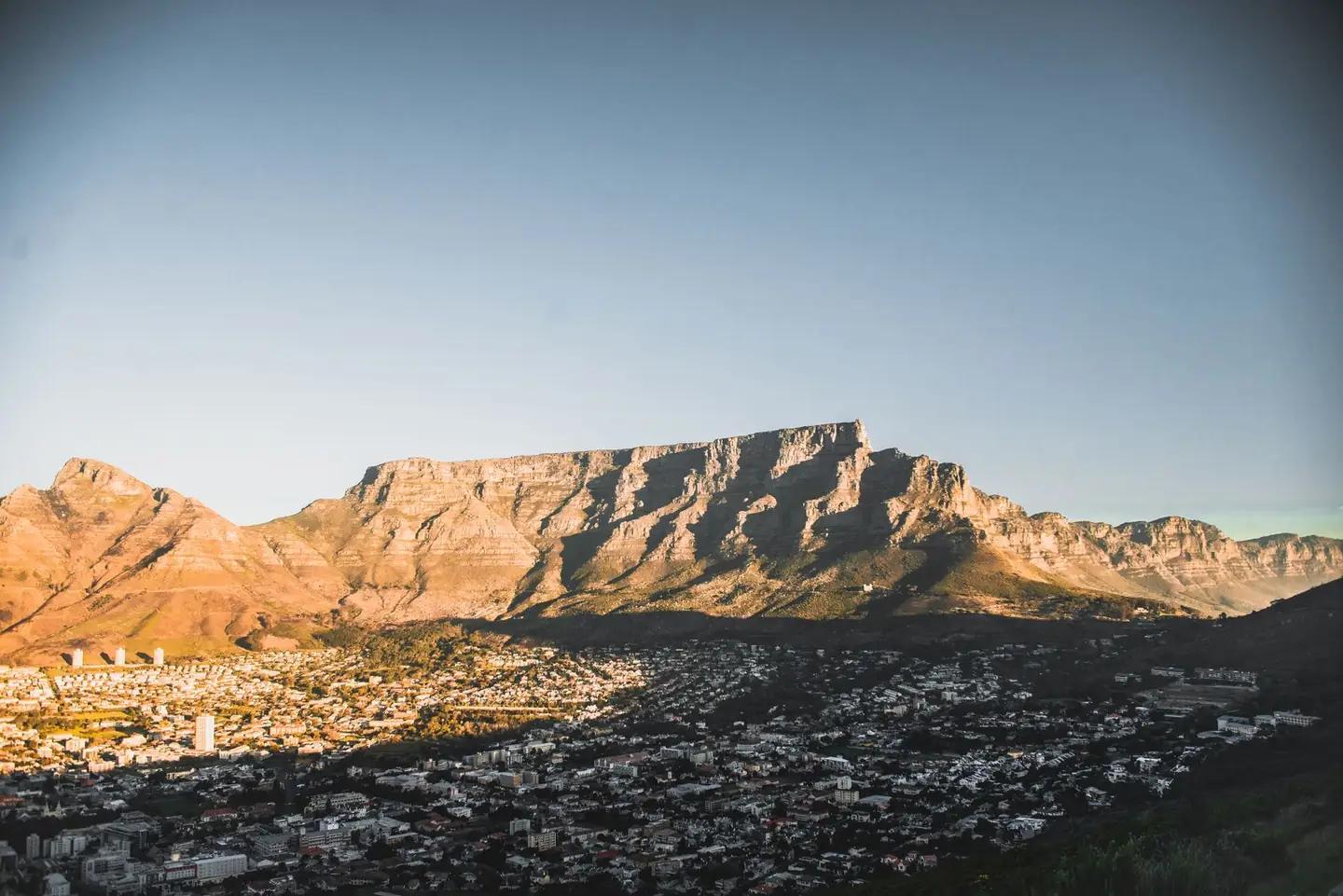
Draußen aktiv · Table Mountain, Cape Town
Lion's Head, a smaller peak, is a popular sunrise or sunset walk with views over the city and coast. Signal Hill is easier to reach by car and is a good place to watch the sunset.
KapitelThe city and its history
The V&A Waterfront is the busiest and most visitor-friendly area, with restaurants, shops and the Zeitz Museum of Contemporary Art Africa. Boats from the waterfront run to Robben Island, where Nelson Mandela was imprisoned, a moving and essential visit that needs advance booking.
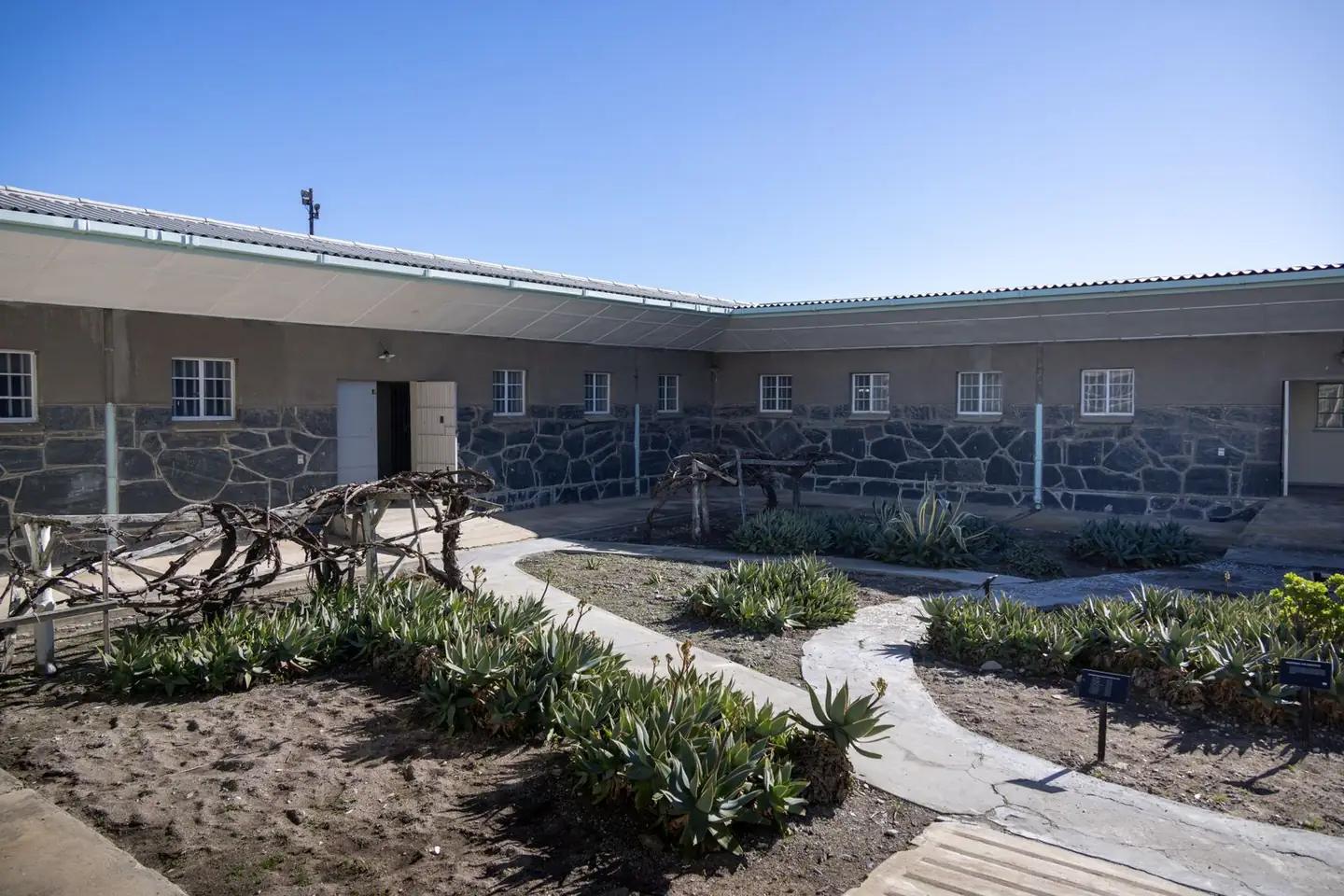
Kunst & Kultur · Robben Island, Cape Town
The Bo-Kaap, with its brightly painted houses, is the heart of Cape Malay culture, and a walk through it is best paired with a meal of Cape Malay curry. The Company's Garden, the Castle of Good Hope and the District Six Museum round out a day of history. Respect residents' privacy in the Bo-Kaap and ask before photographing people.
KapitelDrive the peninsula
A day on the Cape Peninsula is one of the great drives in the world. Take the coastal road through Camps Bay and Hout Bay, and, if Chapman's Peak Drive is open, follow its cliffside curves. Check closures in advance, as it sometimes closes for rockfall or weather. At Simon's Town, Boulders Beach has a colony of African penguins, which you can watch from boardwalks, and from there you can continue to Cape Point and the Cape of Good Hope in Table Mountain National Park.
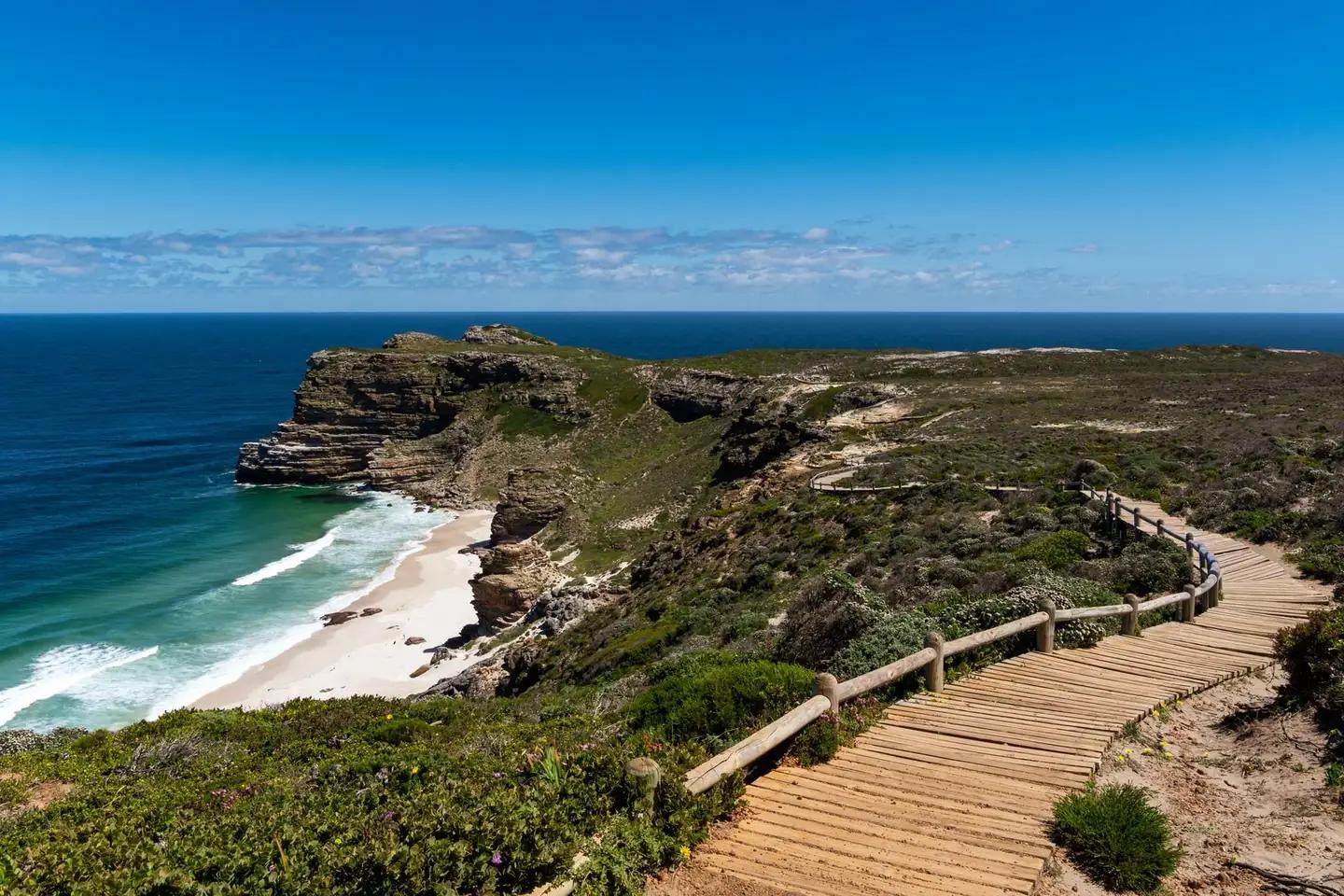
Draußen aktiv · Cape Point, Cape Town
Keep a respectful distance from the baboons that roam the peninsula, and never feed them, as it is dangerous for them and for you.
KapitelWine country
The wine regions of Constantia, Stellenbosch, Franschhoek and Paarl are within an hour of the city, and each has a different character. Constantia is the closest and one of the oldest. Stellenbosch is a university town of oak-lined streets, and Franschhoek has French Huguenot heritage and a famous food scene. Book tastings ahead, and arrange a driver or tour so no one drives after tasting.
KapitelGardens and beaches
Kirstenbosch National Botanical Garden, set on the eastern slopes of Table Mountain, is one of the world's great botanical gardens, and its summer sunset concerts are a local favorite. The beaches of Clifton and Camps Bay are beautiful, though the Atlantic water is very cold.
KapitelEating
Cape Town's food is excellent. A braai, a South African barbecue, is a social ritual. Try bobotie, a spiced mince dish with an egg topping, Cape Malay curries, fresh seafood, biltong, dried cured meat, and a Gatsby, a giant sandwich filled with chips. Pinotage, a South African cross grape, is the signature red.
KapitelSafety and practicalities
Cape Town is a city of contrasts, and sensible precautions matter. Use ride-hailing apps after dark instead of walking, keep valuables out of sight and follow local advice about areas to avoid. Water is a precious resource here, so be mindful of how much you use, particularly in dry years.
KapitelWhen to go
Summer, from December to March, is warm and dry, with long days, though the strong southeaster wind can blow for days. Autumn is calm and golden. Winter is cool and wet, with green hills and cheaper rates, and from roughly August to November, whales can be seen from the coast, particularly around Hermanus.
Check current details: Cape Town Tourism.


