Rome does not reveal itself in a checklist. The city has three thousand years stacked on top of each other, and the real pleasure lies as much in the walks between monuments as in the monuments themselves. The visitor who tries to see everything leaves tired and a little numb. The one who chooses a few places, books them and spends the rest of the time wandering leaves wanting to return.
KapitelBook the big three
The Colosseum, the Roman Forum and Palatine Hill are usually visited together on one ticket, and the Vatican Museums, with the Sistine Chapel, and St. Peter's Basilica form a separate day. All of these have long queues and often limited, timed entry. Reserve ahead through the official channels, and choose the earliest slots you can manage. Beware of unofficial sellers outside the sites.
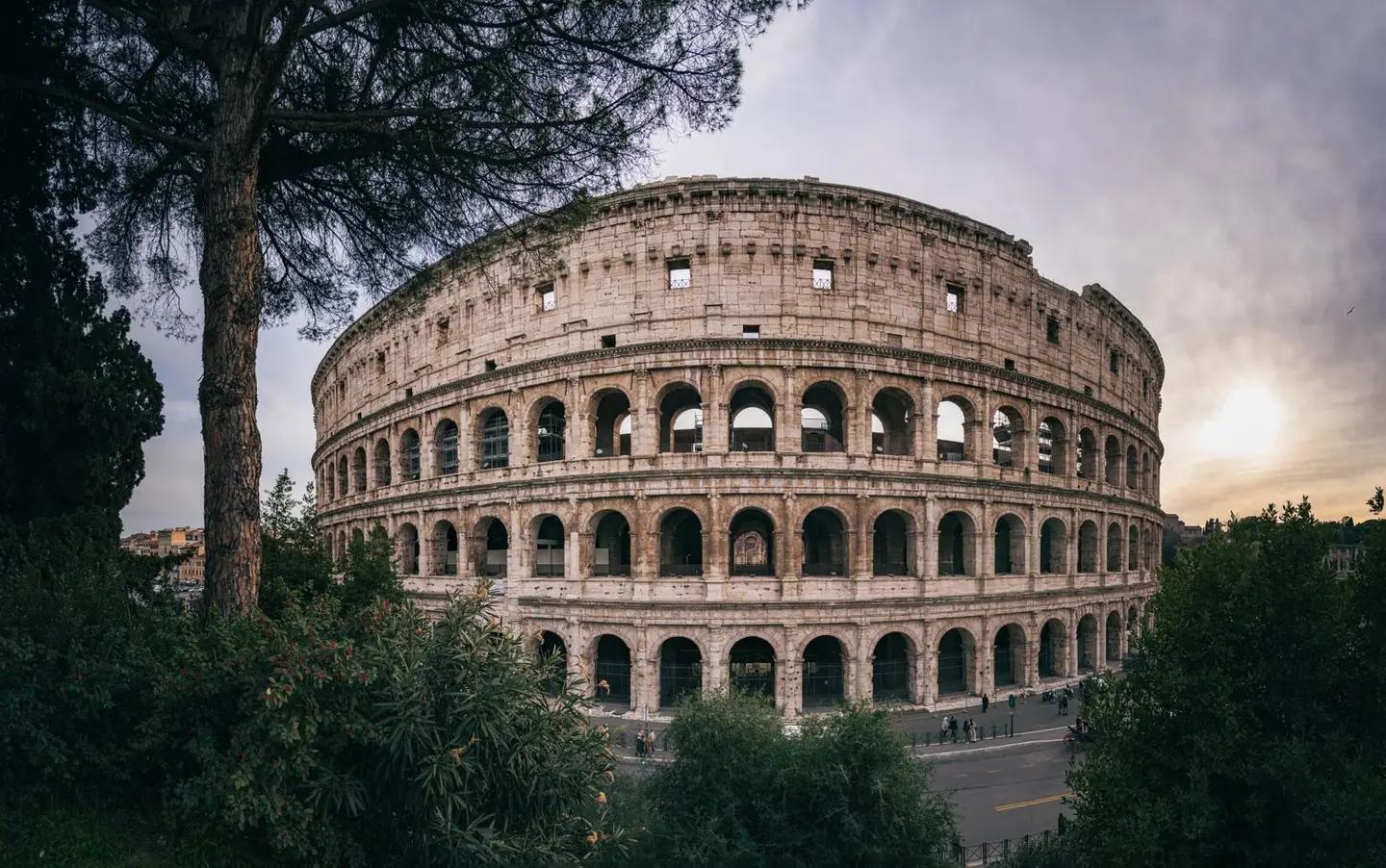
Sehenswürdigkeiten & Touren · Colosseum, Rome
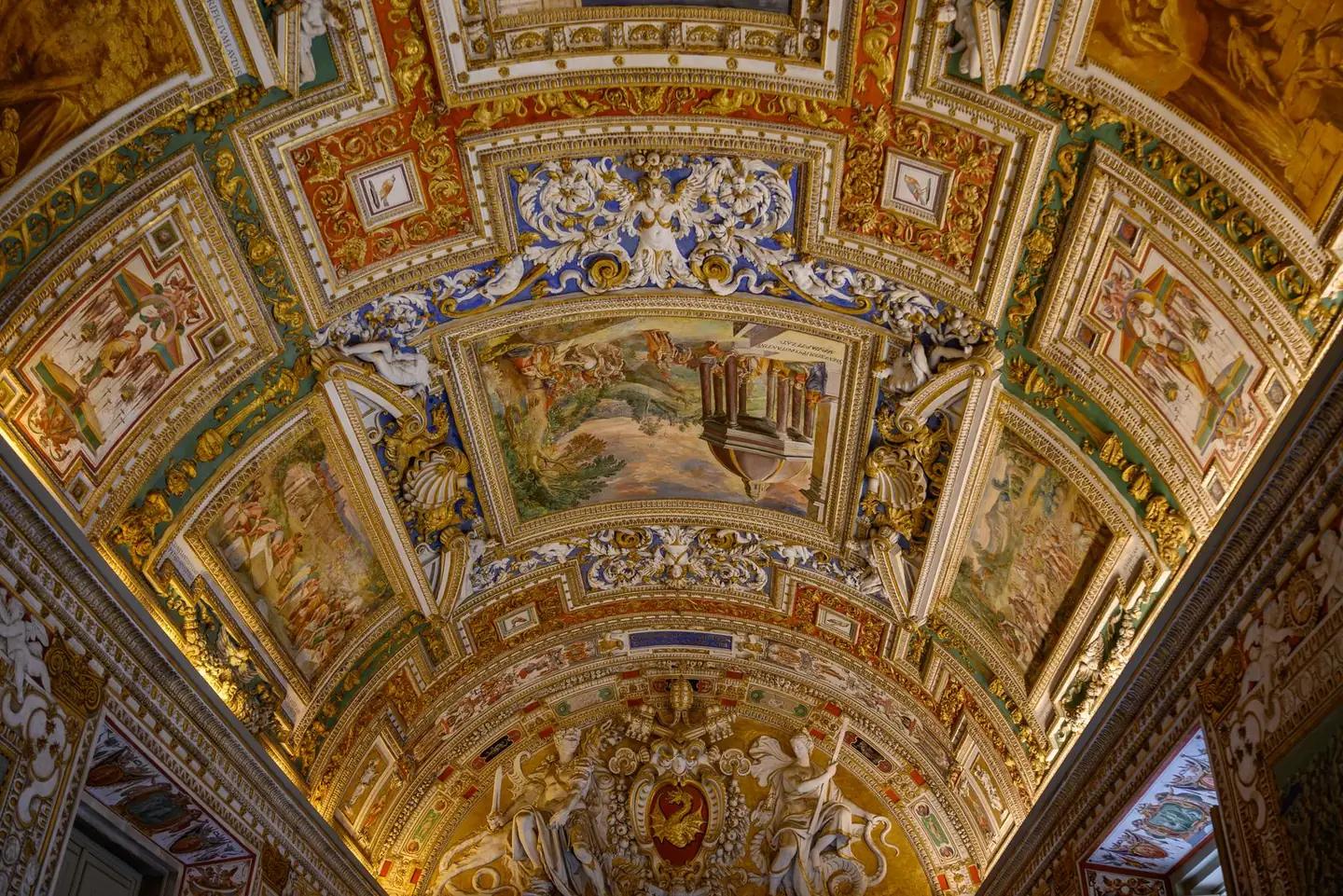
Kunst & Kultur · Vatican Museums and Sistine Chapel, Rome
The Borghese Gallery, in the park of Villa Borghese, requires advance reservations and is a magnificent small museum, with Bernini sculptures and Caravaggio paintings, worth planning for.
KapitelWalk the center
The best way to meet Rome is on foot. Start at the Pantheon, a nearly two-thousand-year-old temple with a perfect dome, and walk toward Piazza Navona, a baroque square with fountains by Bernini. The Trevi Fountain is nearby and extremely crowded, so go early or late if you want a moment of it. The Spanish Steps and the shopping streets around them are close, and the Capitoline Hill offers museums and a famous view over the Forum.
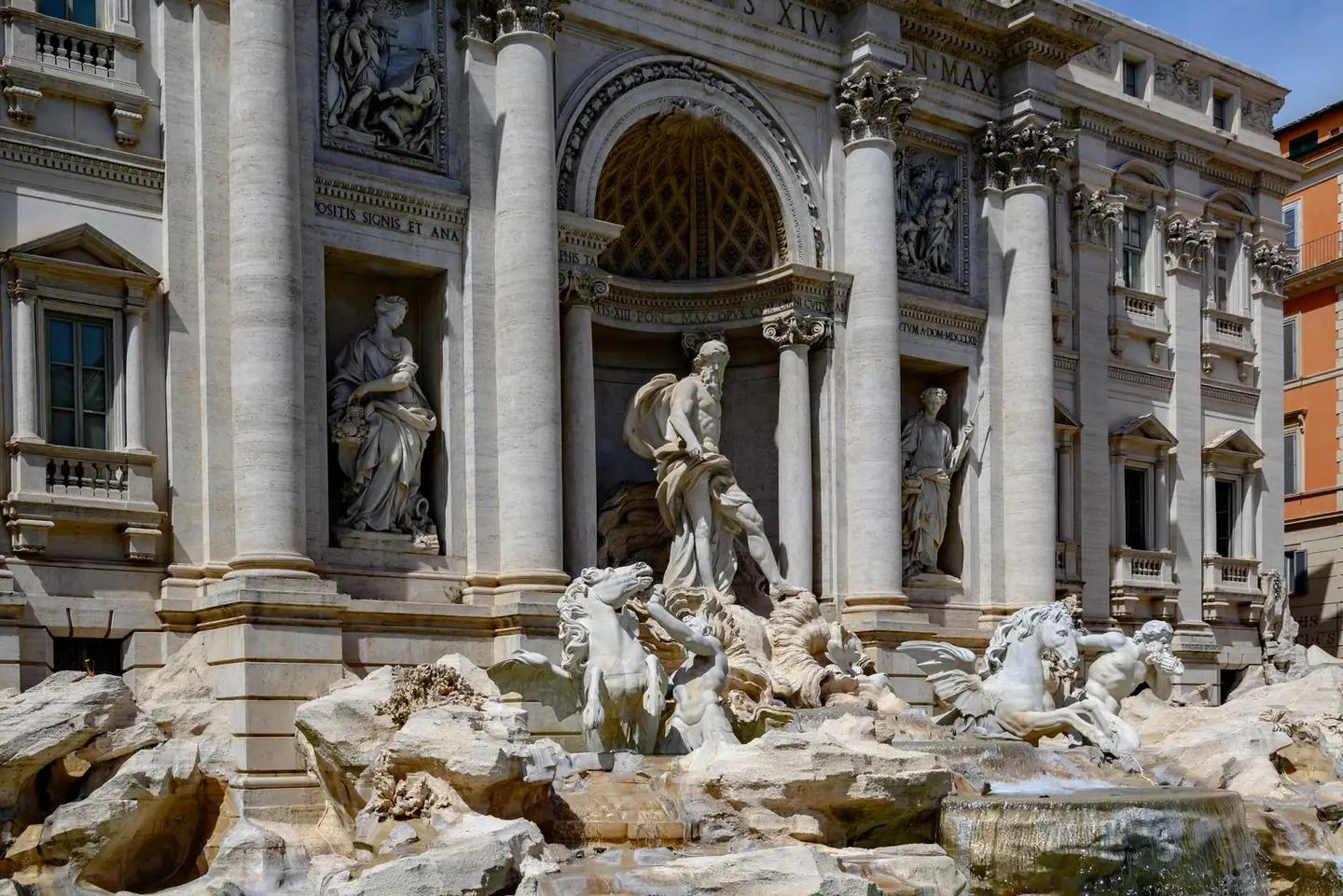
Sehenswürdigkeiten & Touren · Trevi Fountain, Rome
Between the monuments, look for the small things: a fountain tucked in a corner, a church with a Caravaggio inside, a courtyard through an open gate. Many churches are free to enter and hold remarkable art.
KapitelTrastevere, Testaccio and Monti
Trastevere, across the Tiber, has cobbled lanes, ivy-covered houses and busy restaurants, and it is at its best in the early evening. Testaccio, a working-class district, is Rome's culinary heart, with the Testaccio market and some of the city's most traditional restaurants. Monti, near the Colosseum, is a stylish neighborhood of small shops and wine bars.
The Jewish Ghetto, near the river, is known for its Roman-Jewish cuisine, especially carciofi alla giudia, deep-fried artichokes.
KapitelWhat and how to eat
Rome has its own pasta canon: carbonara, cacio e pepe, amatriciana and gricia. They are simple, and the best versions are at neighborhood trattorias away from the main sights. Supplì, fried rice balls, and pizza al taglio, rectangular pizza by the slice, are classic snacks. Gelato should be natural in color and kept in covered tubs rather than piled up in garish mounds.
Coffee is taken standing at the bar, and it is cheaper there than sitting down. Sit-down restaurants often add a coperto, a small cover charge, and this is normal. Drink from the nasoni, the public drinking fountains, since the water is cold and safe.
KapitelBeyond the center
The Appian Way, an ancient road lined with tombs and pines, is lovely on a Sunday when parts are closed to traffic, and can be cycled. Ostia Antica, the ancient port of Rome, is an easy half-day by train and far quieter than the Forum. Tivoli, with Villa d'Este's fountains and Hadrian's Villa, makes a great day trip.
KapitelPractical notes
Churches and the Vatican enforce dress codes, requiring covered shoulders and knees, so carry a light layer. Pickpockets are active around major sights and public transport, so keep valuables secure. Summers are very hot, so plan sightseeing for early morning and late afternoon.
KapitelWhen to go
Spring and autumn are the most pleasant seasons. Summer is hot and crowded, though evenings are lively. Winter is cool and uncrowded, with a quieter, more local feel.
Check current details: Turismo Roma.


