Lisbon is built on seven hills, and the city shapes your days as you move through it. You climb, you pause at a viewpoint, you descend into a different neighborhood, and the light off the Tagus follows you the whole way. It is a place that rewards a slower pace, good shoes and a willingness to be surprised by a tiled facade at the end of an alley.
KapitelStart with the old neighborhoods
Alfama is the oldest district, a tangle of narrow lanes below the castle. Get lost on purpose. Along the way, the miradouros, or viewpoints, at Portas do Sol and Santa Luzia give wide views over rooftops and river. The São Jorge Castle, at the top, is worth a visit for the ramparts and the panorama.
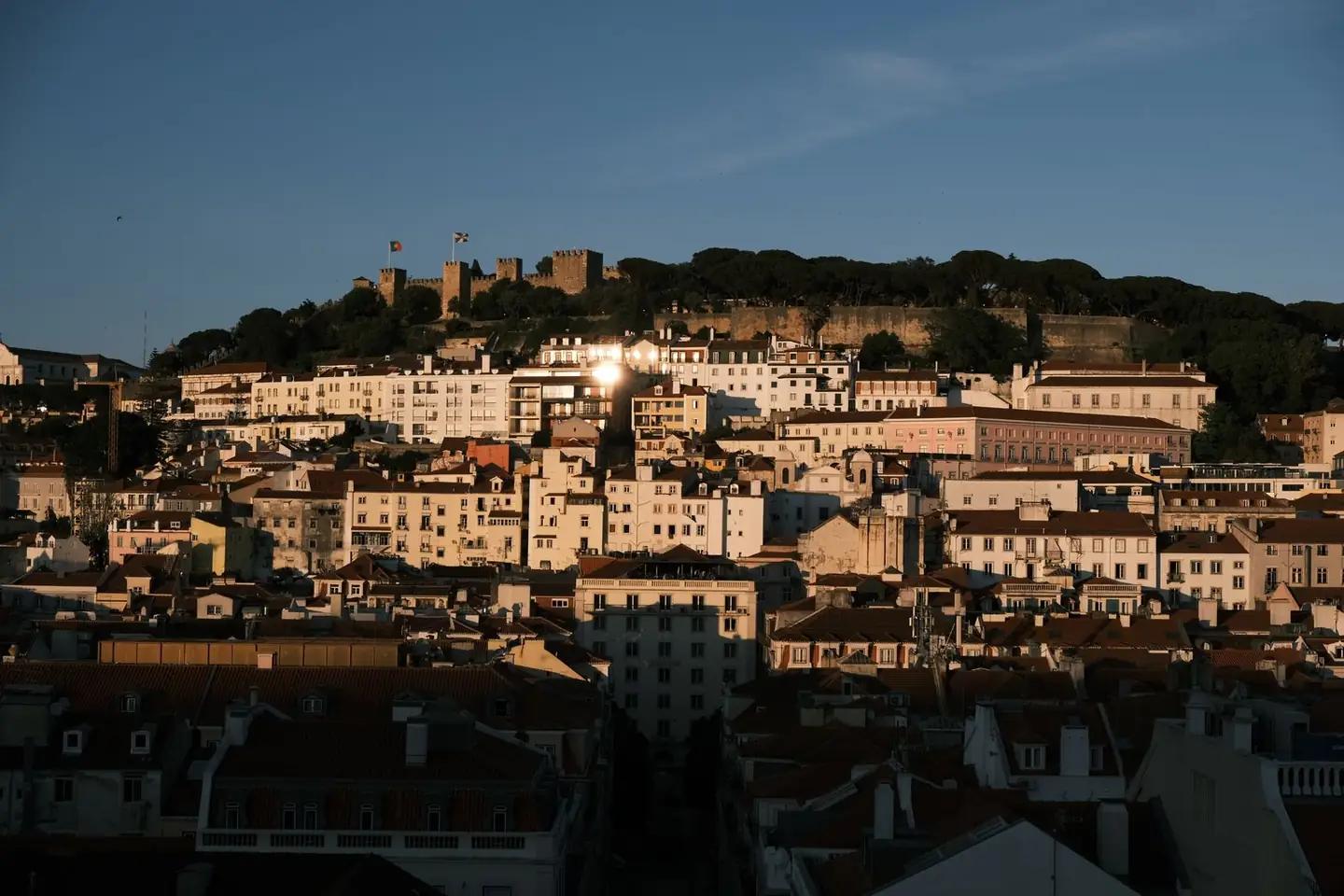
Sehenswürdigkeiten & Touren · São Jorge Castle, Lisbon
Down below, the grid of Baixa, rebuilt after the 1755 earthquake, leads from Rossio square to the waterfront Praça do Comércio. Chiado and Bairro Alto, on the opposite hill, hold bookshops, old cafés and, after dark, many of the city's bars.
KapitelTrams, lifts and funiculars
Lisbon's tram 28 is famous and crowded, and pickpockets work the route, so keep your belongings secure. A calmer option is to ride one of the funiculars, such as the Glória, or to climb on foot and treat the slopes as part of the experience. The Santa Justa Lift connects Baixa to the upper town and has its own queue, so use it only if the experience appeals.
KapitelBelém, for monuments and pastries
Belém, along the river to the west, holds the Jerónimos Monastery and the Belém Tower, two icons of Portugal's seafaring age. The Pastéis de Belém bakery has been serving custard tarts for generations, and it usually has a queue that moves quickly. The MAAT museum and the riverside path make a pleasant way to end the afternoon.
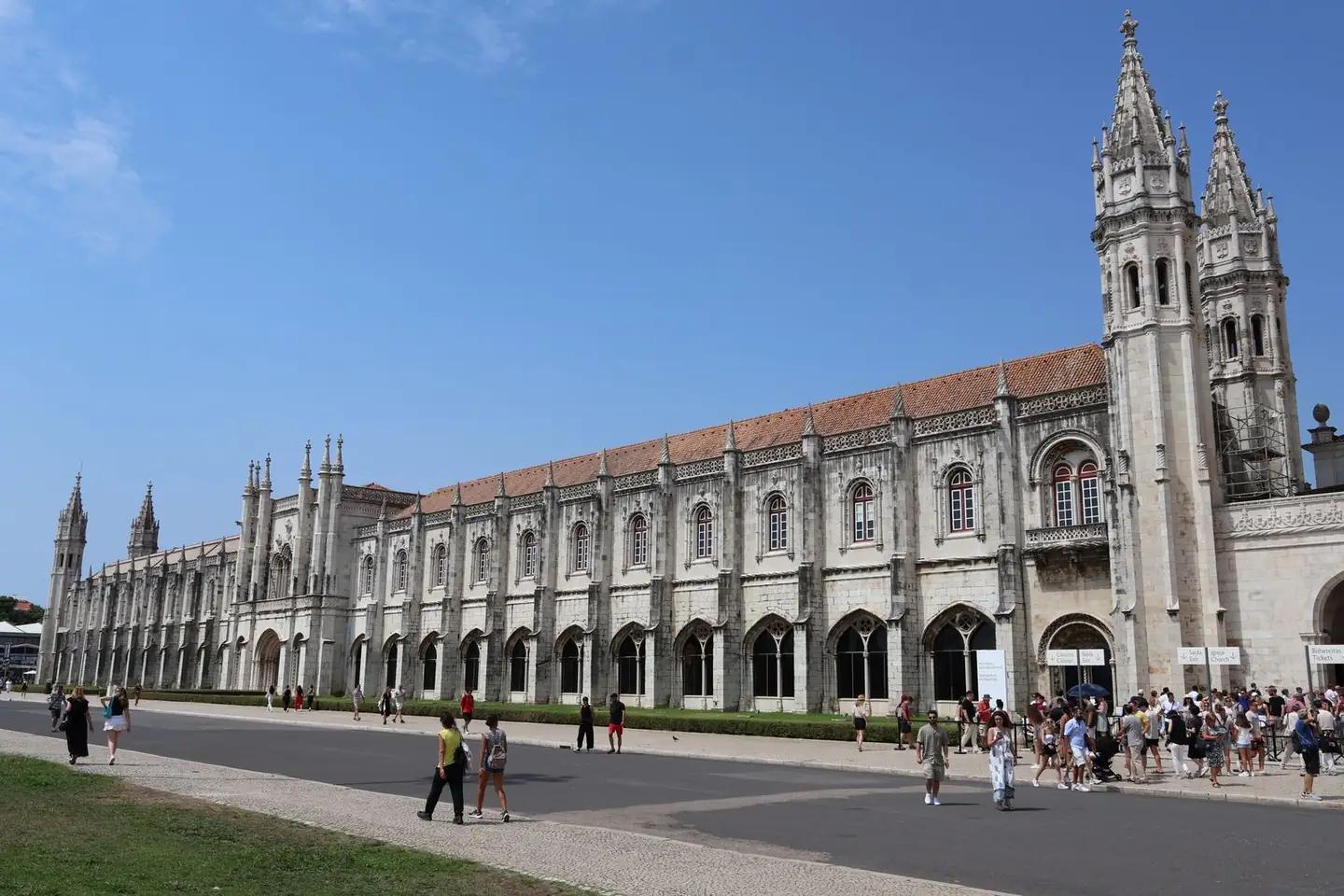
Kunst & Kultur · Jerónimos Monastery, Lisbon
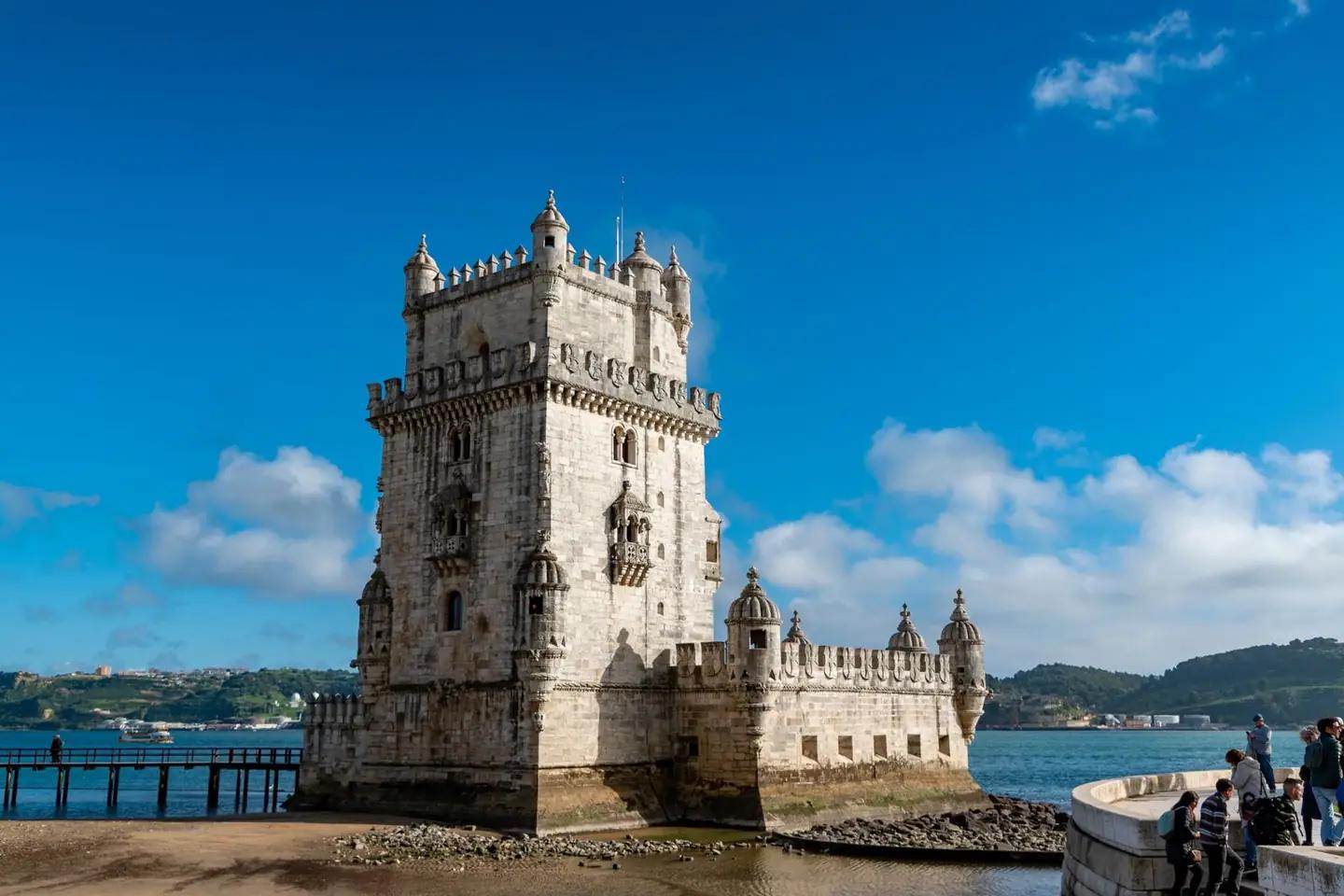
Sehenswürdigkeiten & Touren · Belém Tower, Lisbon
KapitelFado and the evenings
Fado, the melancholic song tradition of Lisbon, is best heard in an intimate setting, in the old neighborhoods of Alfama and Mouraria. Many places offer dinner with live fado, and some are more tourist-oriented than others. Look for small venues where the performance is the point, and keep silence while the singer is singing, as is the custom.
KapitelWhat to eat
Pastéis de nata, the custard tarts, are the obvious start, but go further. Bacalhau, salted cod, appears in hundreds of preparations. Grilled sardines are a summer specialty, and a bifana, a simple pork sandwich, makes a good quick lunch. For a drink, try a ginjinha, a cherry liqueur served in small cups, or a glass of vinho verde. Petiscos, small shared plates, are an excellent way to sample the city.
KapitelDay trips
Sintra, with its fairy-tale palaces, forest and mist, is the classic day trip and busy for good reason. Choose one or two sites, such as Pena Palace and Quinta da Regaleira, rather than trying to see everything, and start early. Cascais and the coast offer a calmer seaside day. Further afield, the Arrábida natural park and Setúbal are good for beaches and seafood, and Évora is a historic city for those staying longer.
KapitelWhen to go
Spring and autumn offer mild weather and softer crowds. Summer is hot and bright, with festivals in June, notably the festivities of Santo António, which fill the streets with music and grilled sardines. Winter is mild but can be rainy, and the city feels quieter.
Check current details: Visit Lisboa.


